The most common Google Ads mistakes for dog groomers are paying for irrelevant searches, using a radius wider than the drive time you can serve, counting clicks instead of bookings, running ads when nobody can answer the phone, sending clicks to a home page, ignoring the Business Profile, and setting a budget without a plan. Each one has a setting or habit that fixes it. The sections below go through all seven, then run a budget example with every input labelled as an assumption.
↑
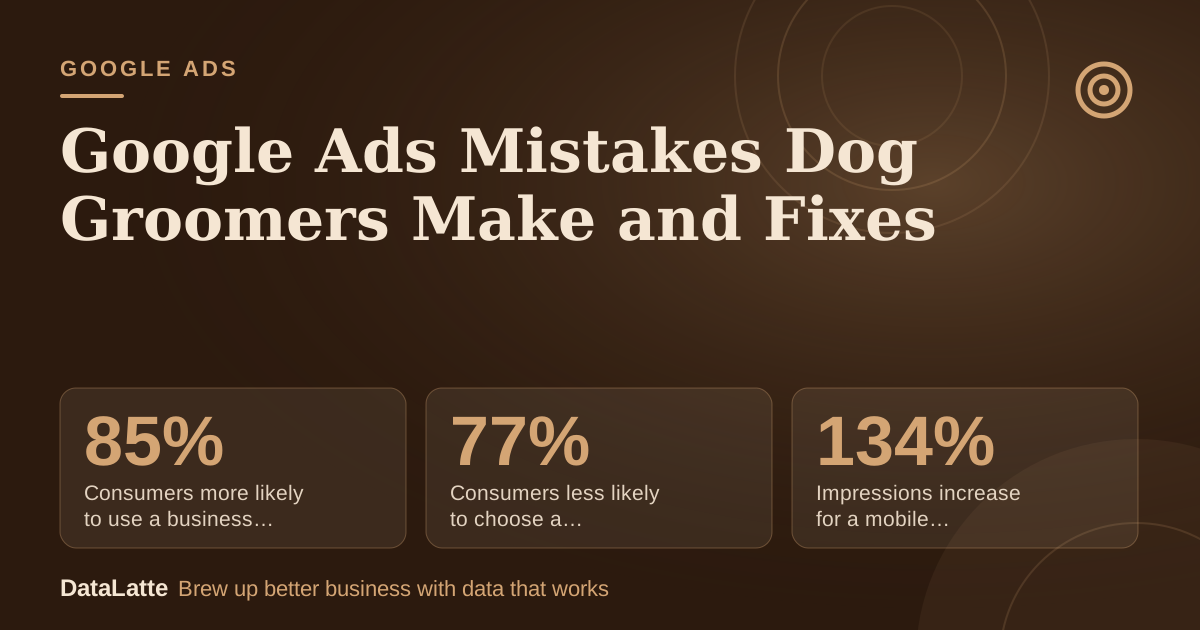
Consumers more likely to use a business after positive reviews
BrightLocal 2026
↓
Consumers less likely to choose a business after negative reviews
BrightLocal 2026
↑
Impressions increase for a mobile pet groomer
Marketing 360 case study, 2023 (vs previous 6 months)
↑
Clicks increase for the same mobile pet groomer
Marketing 360 case study, 2023 (vs previous 6 months)
See Sources at the end of the article. Cards marked Assumption are examples, not results.
Are You Paying for Searches That Cannot Book?
Without negative keywords, your budget goes to people looking for a job, a course, a product or a free tip. Dental Rank, which writes about Google Ads for dental practices, lists "free," "cheap," "jobs" and "DIY" as common negative keywords. The same words fit dog grooming, and you should add "school", "training", "supplies" and "diy" alongside them.
Add these before launch, then check the search terms report in Google Ads once a week for the first two months. Any term that brought a click but could never become an appointment goes on the negative list. For the full keyword set to start from, see the
2026 dog groomer keyword guide and the
pet groomer mistakes article.
Is Your Search Radius Wider Than Your Drive Time?
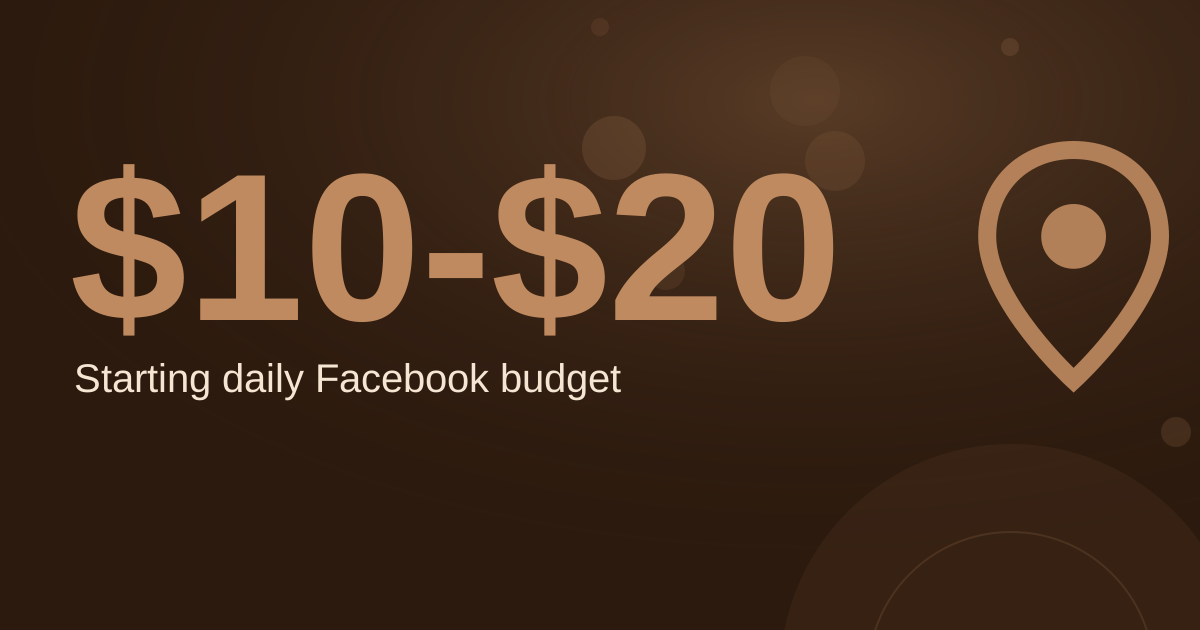
A groomer serves a drive-time area, not a whole county. Barklead's guide to Facebook ads for groomers suggests targeting users within a 10-15 mile radius of the groomer's location. Dental Rank gives a 5-10 km radius as its typical starting point for dental practices. Both are starting points, not rules.
Pick the radius that matches how far clients will actually drive, then check which towns your clicks and bookings come from. Remove towns where you never book. Mobile groomers should draw the service area around their real van routes and name the main towns in the ad text.
Are You Counting Clicks Instead of Bookings?
A click tells you very little. A booking, a call or a form submission tells you that an ad is working. If you only watch clicks, you can spend a month paying for traffic that never books.
Set up conversion tracking for calls, the booking form and any online scheduler link. Then ask the front desk to note how each new client found you. Once conversions record, you can compare cost per booking across keywords, which is the number that decides where the budget goes.
Do Ads Run When Nobody Can Answer the Phone?
If your ads send callers to voicemail, you pay for clicks that never turn into appointments. Run call-focused ads only during the hours someone can answer. Keep the booking-link ads running outside those hours, because many pet owners look for a slot in the evening.
Check the schedule against your real opening hours each month. A groomer who closes at 5 pm on Saturday should not be paying for calls at 7 pm.
Where Do Your Clicks Land?
A home page makes the visitor search for what they came for. Send each ad group to a page that matches it. A "dog grooming near me" ad should land on a page that shows services, starting prices, your area, opening hours and a booking button. Put the phone number near the top on mobile.
Build one page for each main service, such as full groom, puppy first groom, de-shedding and nail trim. Only build pages for services you actually offer. The
Google Ads guide for pet groomers covers how the pages and ad groups fit together.
Is Your Business Profile Undercutting Your Ads?
Paid clicks are only part of the decision. BrightLocal's 2026 survey finds that 85% of consumers say positive reviews make them more likely to use a business, while 77% say negative reviews make them less likely to choose one. A groomer with few recent reviews and missing photos loses the client after the click.
Ask for a review after each appointment, reply to every review, and keep photos, hours and services current. Check the live Business Profile help pages for the current steps, as the interface changes.
How Much Should You Plan to Spend, and How Often Should You Check?
Many groomers set a monthly budget by feel. Start instead from what one new client is worth to you, then work out how many bookings the budget needs to produce. Dental Rank recommends setting aside time each month to analyse ad performance, test new ad creatives, adjust targeting and refine bidding. The same routine works for groomers.
A mobile pet groomer in a 2023 Marketing 360 case study reported a 134% increase in impressions and a 696% increase in clicks compared with the previous six months, running on Facebook and Google. Those results reflect one business and one period, so use them as a sign of what testing can do, not as a forecast.
What Do Wasted Clicks Cost? A Worked Example
Every input below is an assumption. Replace them with your own figures from the search terms report and your booking records.
| Input or result | Value | Basis |
|---|
| Monthly budget | $400 | Assumption |
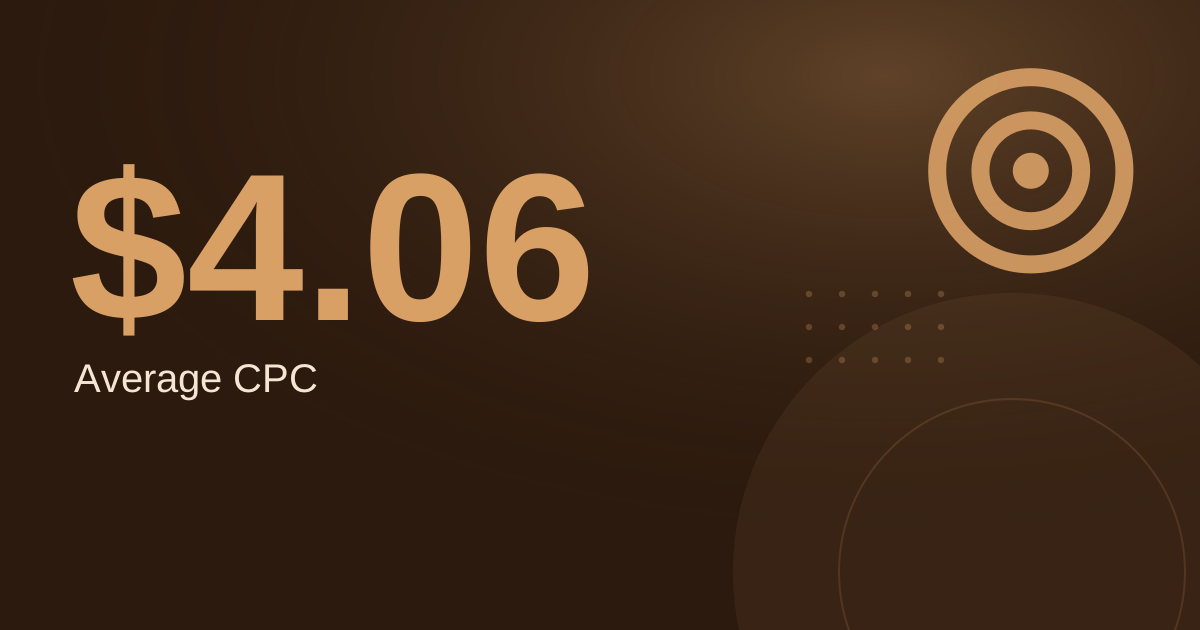
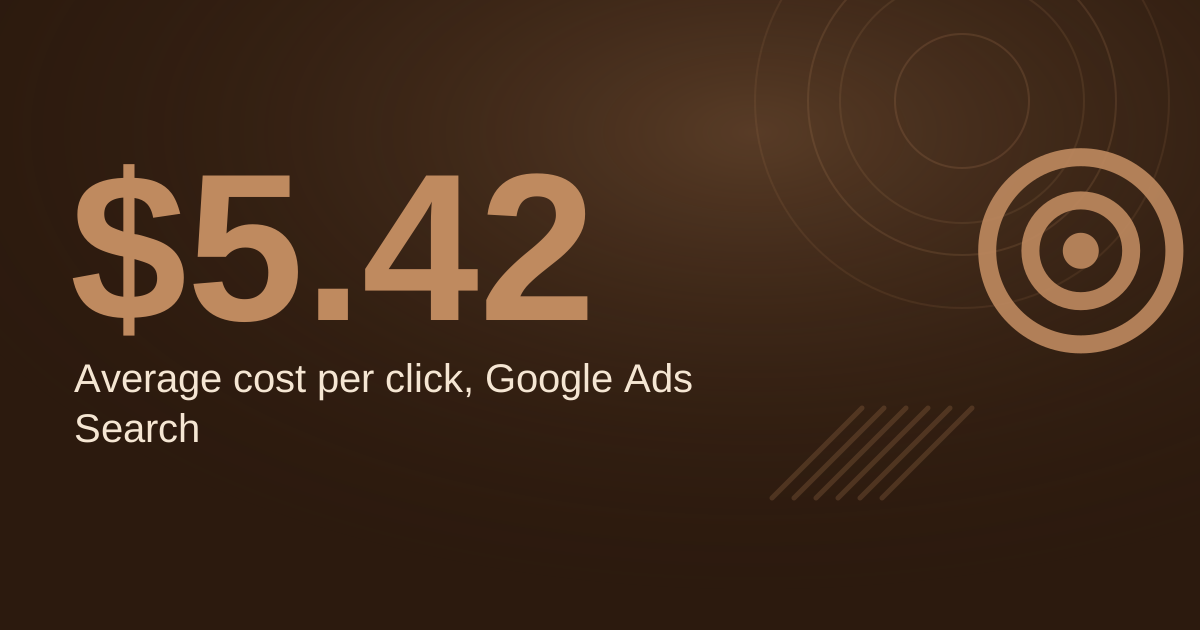
| Average cost per click | $4.00 | Assumption |
| Clicks per month | 100 | $400 ÷ $4.00 |
| Irrelevant share before negatives | 25% | Assumption |
| Relevant clicks before negatives | 75 | 100 × 75% |
| Booking rate on relevant clicks | 10% | Assumption |
| Bookings before negatives | 7.5 | 75 × 10% |
| Cost per booking before negatives | $53.33 | $400 ÷ 7.5 |
| Irrelevant share after negatives | 5% | Assumption |
| Relevant clicks after negatives | 95 | 100 × 95% |
| Bookings after negatives | 9.5 | 95 × 10% |
| Cost per booking after negatives | $42.11 | $400 ÷ 9.5 |
On these assumptions, the same budget produces two extra bookings a month, and cost per booking falls by about $11. The result depends entirely on your real waste share and booking rate. Keyword ideas for the full setup are in the
complete 2026 dog groomer guide.
FAQ
What is the biggest Google Ads mistake for dog groomers?
Paying for irrelevant searches. Without negative keywords, searches for jobs, courses and supplies use the same budget as searches for grooming.
Which words should dog groomers add as negative keywords?
Dental Rank lists "free," "cheap," "jobs" and "DIY" as common negatives for dental practices. Dog groomers can add those plus terms such as "school," "training" and "supplies," then check the search terms report for more.
How do I know if my radius is too wide?
Check where your bookings come from, not just where your clicks come from. Remove towns that send clicks but no appointments. Barklead suggests a 10-15 mile starting radius for groomers.
Should I track calls or only bookings?
Track both. Calls and booking-form submissions are the two most direct signs that an ad produces a client, so set up both as conversions.
How often should I review a Google Ads campaign for a grooming business?
Review the search terms report weekly during the first two months. After that, Dental Rank's monthly routine of analysing performance, testing creatives and adjusting targeting is a sensible cadence.
Sources
Want a local ad account set up properly? See the
Google Ads service or
book a free audit.
Free for local businesses
Want this applied to your business?
I'll review your Google presence, local SEO, and ad accounts — and send you a specific action plan within 48 hours. No pitch, no pressure.