Google Ads works for a Denver coffee shop when the keywords match how locals search: "coffee shop near me", neighbourhood names such as RiNo or LoHi, and a tight radius around your address. Start with a verified Google Business Profile in the "Coffee shop" category, then run a small exact-match campaign. Measure calls, bookings and direction requests, and scale only once those conversions are visible. The budget example below uses assumed inputs, so check current Denver click costs before committing money.
→
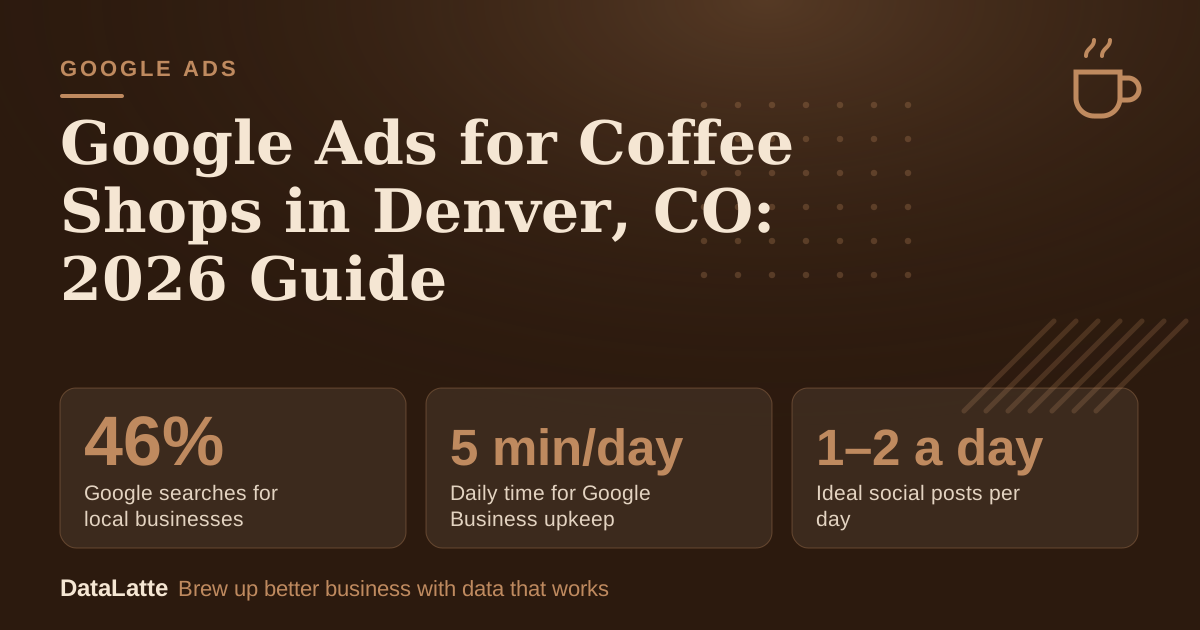
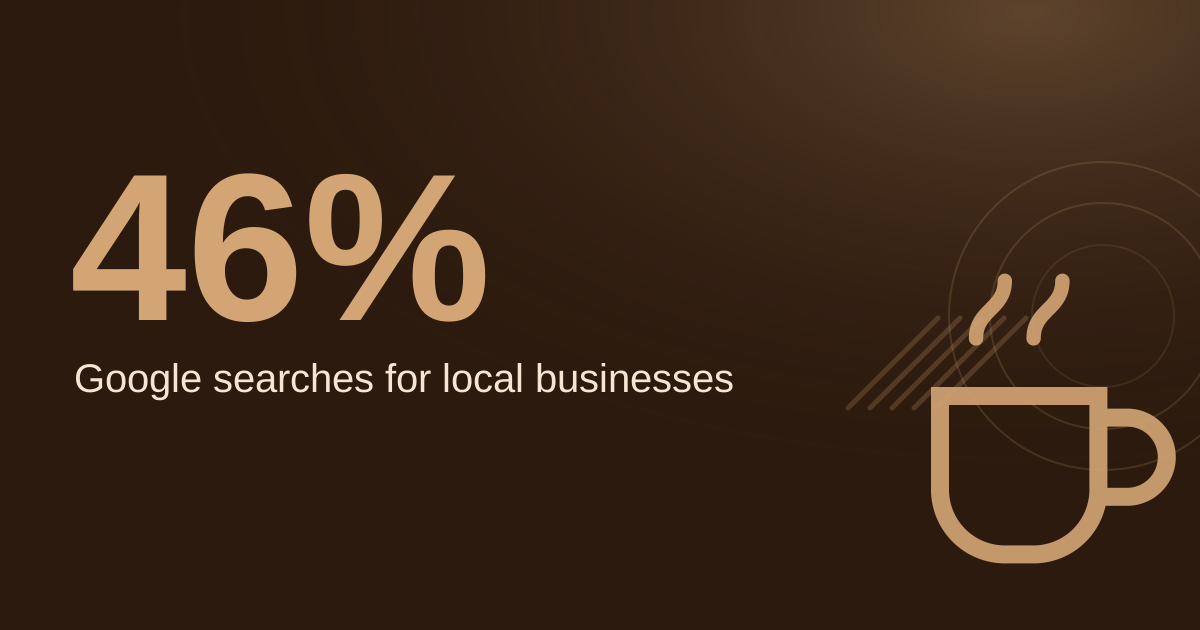
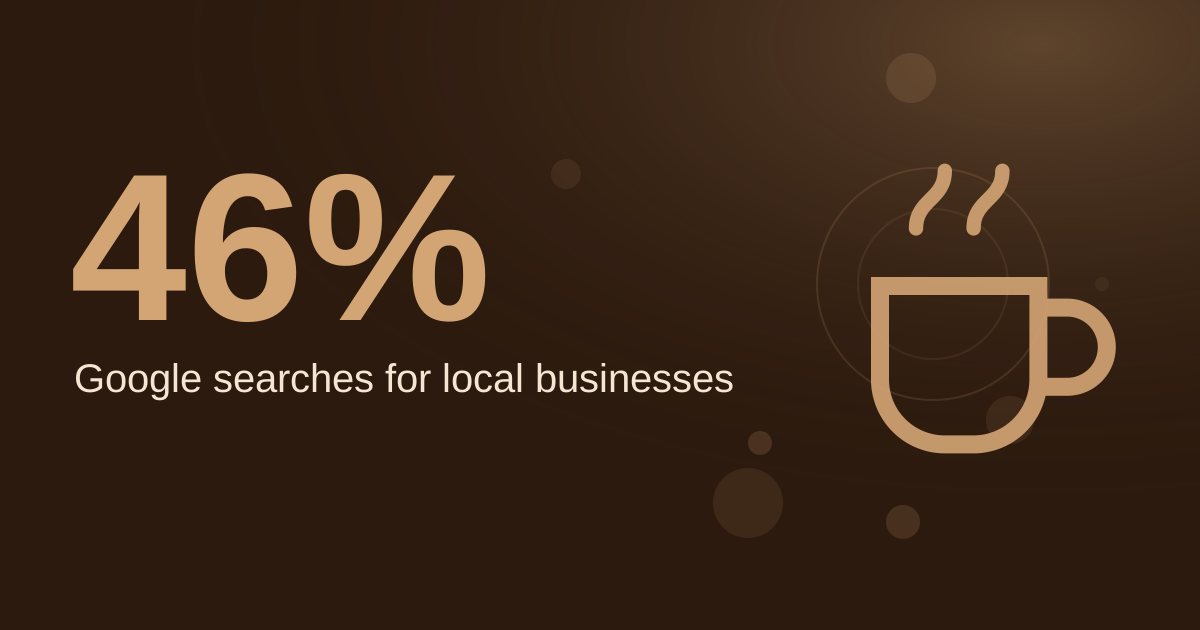
Google searches for local businesses
BrewRound, 2020, no source cited
→
Cost to create a Google listing
BrewRound, 2020
→
Daily time for Google Business upkeep
Bellwether Coffee, 2026 table (secondary)
→
Ideal social posts per day
The Restaurant HQ (secondary)
See Sources at the end of the article. Cards marked Assumption are examples, not results.
Why does local intent matter for Denver coffee ads?
Local intent matters because coffee is a same-day purchase. BrewRound states that 46% of all Google searches are for local businesses, but its page cites no source and is dated 2020, so treat that figure as a rough signal rather than a Denver measurement. Still, the direction fits how coffee buying works. Someone typing "coffee shop near me" usually wants a place to go now, which is the moment a search ad reaches them.
Which keywords should a Denver coffee shop bid on first?
Start with exact-match terms that combine a service with a location, such as "coffee shop near me", "best coffee Denver" and "café near me". Then add neighbourhood variants like "coffee shop RiNo" or "coffee shop LoHi" if they match your actual trade area. Seoplus+ states that a localised phrase such as "coffee shop downtown Phoenix" is likely to have less competition than a generic term like "coffee shop", which can lead to a lower cost per click. The same logic applies in Denver. Our full list of
best Google ad keywords for coffee shops in 2026 covers match types in more detail.
How much does a Denver coffee shop budget buy?
The table below is a worked example. Every input except the arithmetic is an assumption, so replace them with figures from your own Keyword Planner data and booking records.
| Input | Value | Basis |
|---|
| Monthly budget | $1,000 | Assumption |
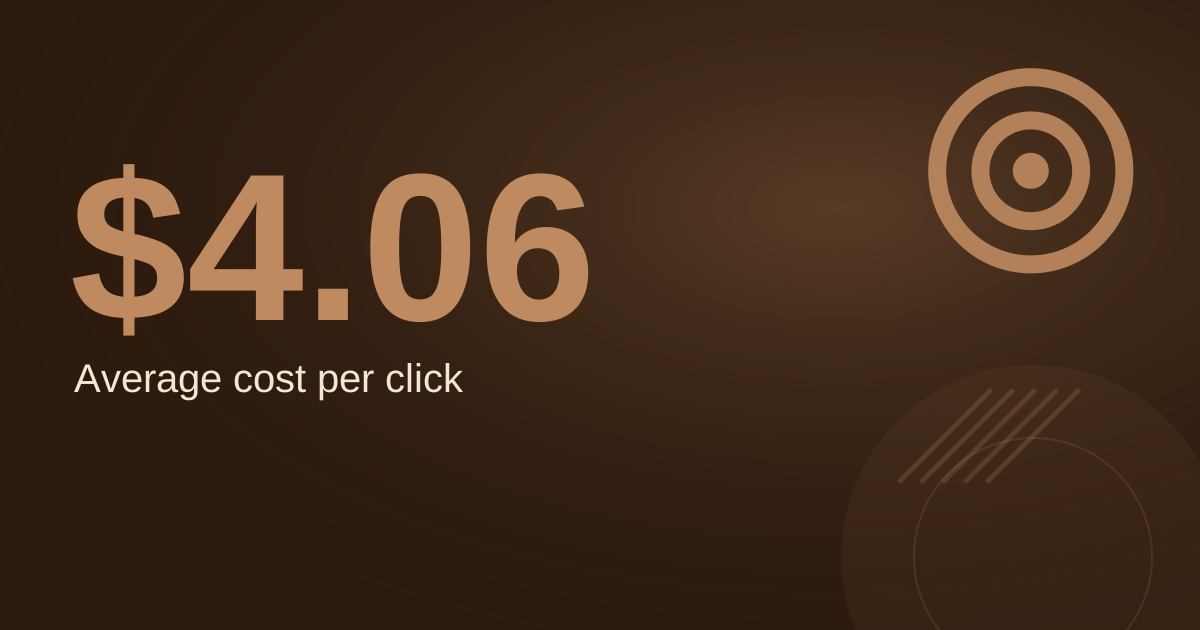
| Average cost per click (CPC) | $5.00 | Assumption, check live Denver data |
| Clicks per month | 200 | $1,000 ÷ $5.00 |
| Click-to-booking rate | 4% | Assumption |
| Bookings per month | 8 | 200 × 4% |
| Cost per booking | $125 | $1,000 ÷ 8 |
If your real CPC is $3.00, the same $1,000 buys about 333 clicks, and the cost per booking falls only if your conversion rate holds. Test the rate before assuming it.
What should the Google Business Profile do before ads run?
The profile is the page most Denver searchers see first, so fix it before spending heavily. Per Diem recommends choosing the "Coffee shop" category or a related term rather than something broad like "Restaurant". BrewRound adds that only one category can be selected at creation, with more added later. Per Diem also recommends answering common questions in the Q&A section in advance, such as free Wi-Fi, dairy-free options or dogs on the patio. Google allows users to message businesses directly through listings, so keep responses prompt.
Verification comes first. Per Diem notes that Google usually mails a postcard with a code to the business address, and BrewRound says the profile does not appear in results until verified. Allow time for that postcard before launching a campaign that points to your listing. Our
Google Business Profile optimisation checklist walks through these settings in order.
How should ads fit with social posting?
Ads and social posts do different jobs. Ads capture people who are already searching, while social posts keep regulars engaged between visits. The Restaurant HQ recommends posting on social media at least once per week, ideally one to two times per day. Bellwether Coffee lists about 5 minutes per day as the time needed for Google Business, which suggests a practical routine for a small team.
Which negative keywords stop wasted clicks?
Negative keywords stop your ads from showing for searches that rarely turn into visits. Review your search terms report every week during the first month, then monthly. Common exclusions for a Denver coffee shop include:
- Job terms such as "jobs", "hiring", "career" and "coffee shop salary"
- Training terms such as "how to", "course", "training" and "certification"
- Trade terms such as "franchise", "wholesale" and "supplier"
- Cities outside your service area
Keep broad match away from generic terms like "coffee shop" or "coffee" until you have enough conversion data to judge them. Broad match without a tight negative keyword list is the fastest way to spend budget on searches that never become visits.
What should Denver coffee shops track?
Set up conversion tracking before the first click is paid for. Useful conversions include:
- Phone calls from ads, using a call tracking number
- Booking or pre-order form completions on your website
- Direction requests from your Google Business Profile
- Clicks on "order" or "contact" buttons as a micro-conversion
Once a visitor becomes a customer, keep them coming back. Our
coffee shop email marketing examples show how to turn one-time visits into repeat orders, and
marketing automation for local coffee shops covers follow-up that runs without manual effort.
Frequently Asked Questions
How much should a coffee shop in Denver spend on Google Ads?
There is no sourced Denver benchmark in this guide. Start with a budget you can sustain long enough to read conversion data, and use the worked example to estimate clicks. At an assumed $5.00 CPC, $1,000 a month buys about 200 clicks, so compare that against your own booking rate before scaling.
Should I set up a Google Business Profile before running ads?
Yes. Per Diem and BrewRound both describe verification as a step that must finish before your listing appears in results. Once the profile is live, complete the category, Q&A and contact details so that people clicking through from an ad find accurate information.
Where can I check current Denver click costs?
Use the Keyword Planner inside Google Ads to see estimated ranges for your keywords and location. Treat those estimates as a starting point and confirm them against your own campaign data after the first few weeks.
Is broad match worth testing for a coffee shop?
Test it only after your exact and phrase match campaigns are converting. Keep the negative keyword list current and review the search terms report regularly, because broad match can surface irrelevant searches quickly.
Ready to see how your Denver campaign is set up? DataLatte can review your account structure and keyword plan. Explore
Google Ads management or request a
free audit to find the gaps first.
Sources
Free for local businesses
Want this applied to your business?
I'll review your Google presence, local SEO, and ad accounts — and send you a specific action plan within 48 hours. No pitch, no pressure.