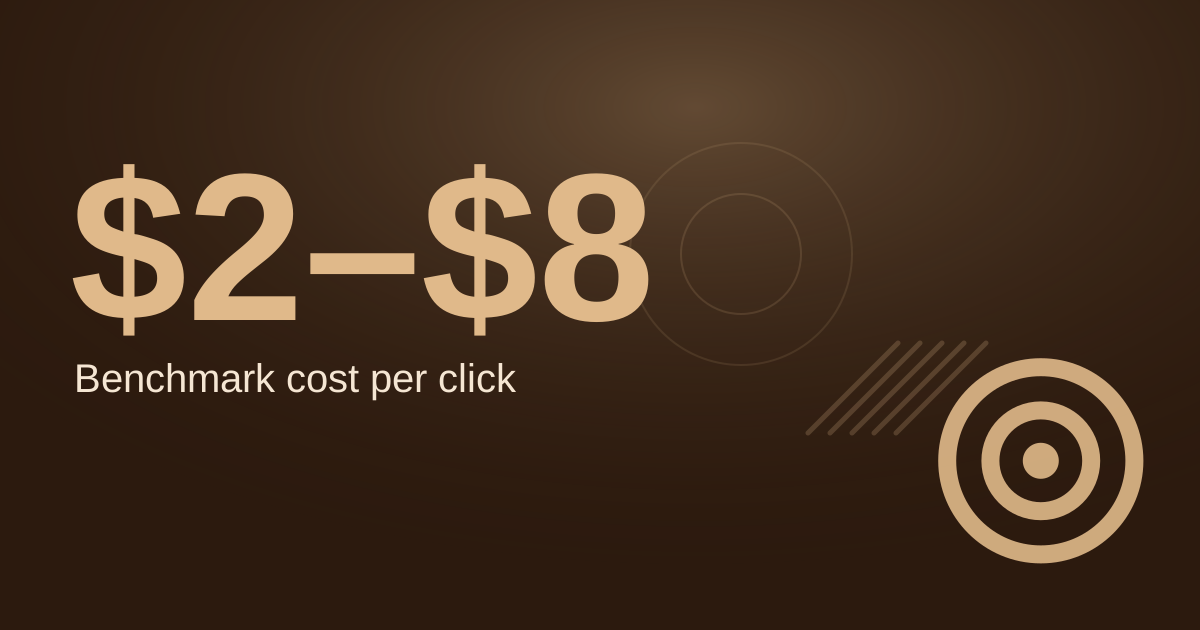
Phoenix coffee shops can use Google Ads to reach people already searching for coffee nearby, but local context changes what works. A vendor guide notes that a localized phrase such as "coffee shop downtown Phoenix" is likely to have less competition than a generic term, which can lead to a lower cost per click (
seoplus+). This guide covers keyword choices, a worked budget example, the Google Business Profile steps that come first, and the tracking needed to judge results.
→
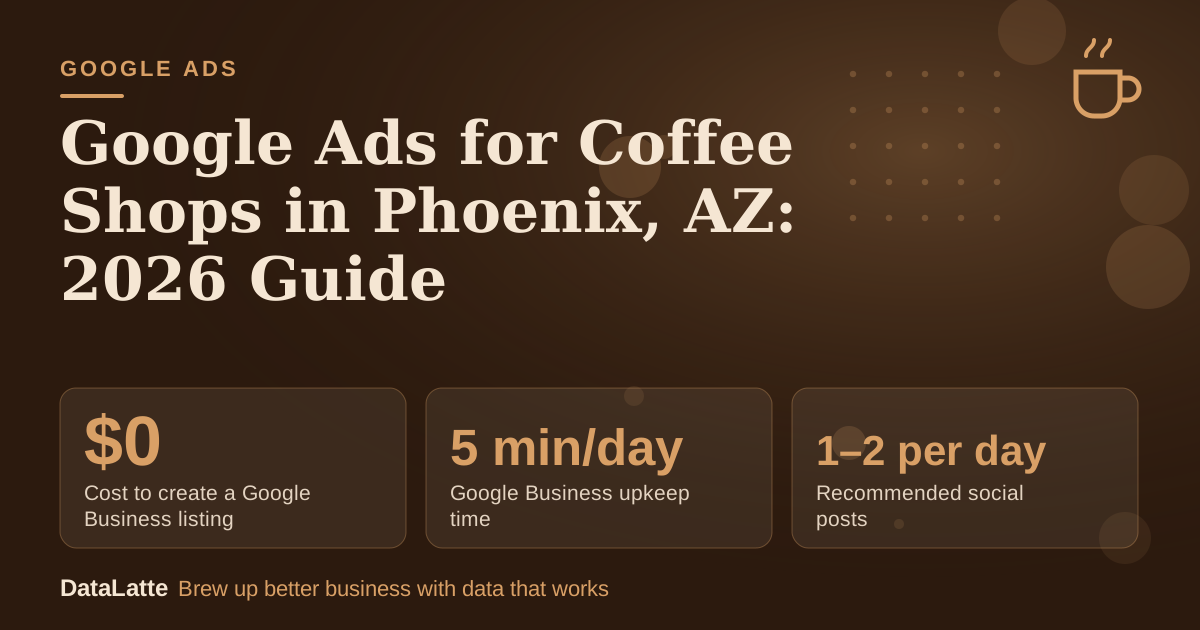
Cost to create a Google Business listing
BrewRound, 2020 (secondary)
→
Google Business upkeep time
Bellwether Coffee, 2026 (secondary)
→
Recommended social posts
The Restaurant HQ, ideal frequency (secondary)
→
Categories at setup
BrewRound, more can be added later (secondary)
See Sources at the end of the article. Cards marked Assumption are examples, not results.
How should a Phoenix coffee shop target its ads?
Location modifiers do most of the work in a local campaign. Pair each service term with an area name, such as "coffee shop downtown Phoenix" or "coffee shop Scottsdale", and use those phrases in ad copy too. A searcher who sees their own neighbourhood named is more likely to recognise the shop as nearby.
Radius targeting belongs in the same plan. Set the radius around your storefront rather than the whole metro area, then choose the distance from your own customer data. The worked example below uses a 3-mile figure as an assumption, not a benchmark. Check where your current customers live before you set it.
Keep the goal narrow: people who are close enough to visit today. A broad metro campaign spends money on searches from people who will never walk through your door.
Which keywords should a Phoenix coffee shop bid on first?
Group keywords by the kind of visit they signal. Near-me searches show intent to visit now. Area-plus-service phrases capture people who already know where they are looking. Attribute terms such as "specialty coffee Phoenix" are narrower and worth testing on a small budget.
| Keyword group | Example | Why it fits |
|---|
| Near-me service | coffee shop near me | Searcher is ready to visit now |
| Area plus service | coffee shop downtown Phoenix | Localized phrase, likely less competition than a generic term |
| Neighbourhood plus service | coffee shop Scottsdale | Matches how locals name their area |
| Attribute | specialty coffee Phoenix | Narrower intent, so test with a small budget |
Start with exact-match terms from the first two groups, then add the others once you see which phrases produce calls, direction requests and bookings. For a longer keyword list, see
the best Google ad keywords for coffee shops in 2026.
What does a $1,000 monthly budget buy?
The table below uses a worked example. Every input is an assumption, so replace each one with figures from your own account and point-of-sale data before you make decisions.
| Input | Value | Label |
|---|
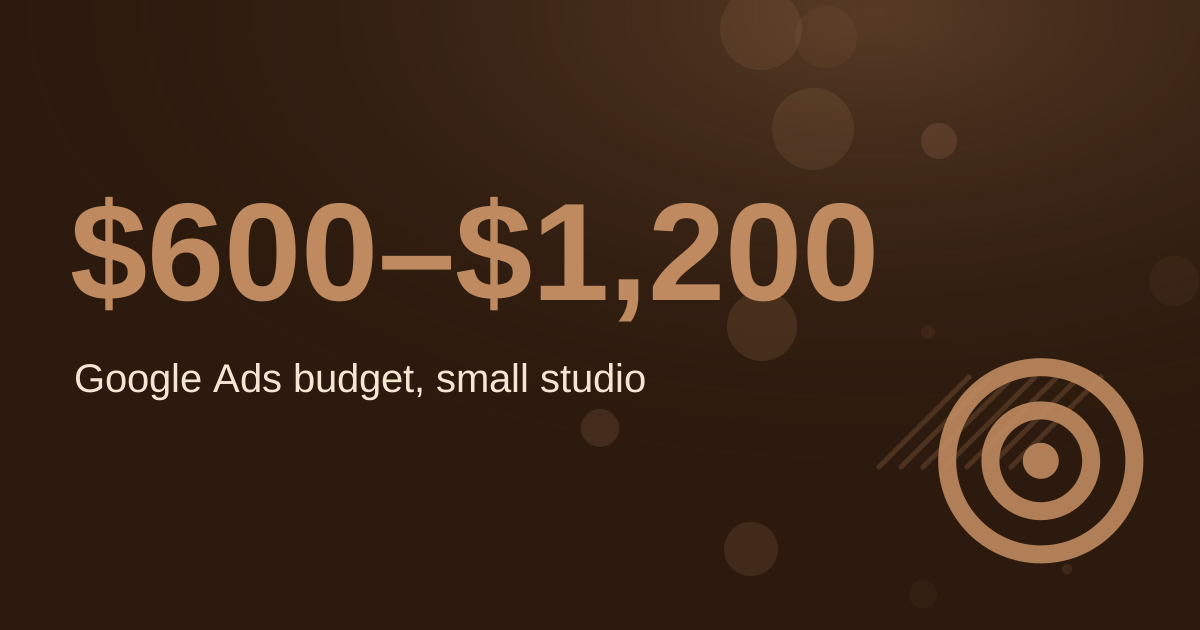
| Monthly budget | $1,000 | assumption |
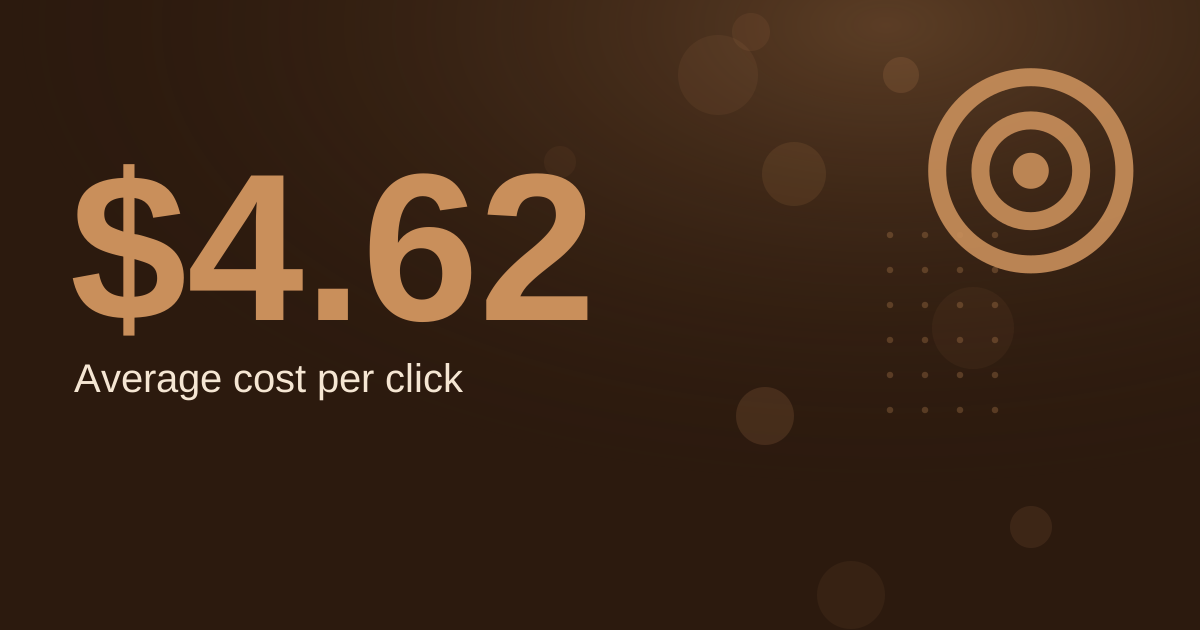
| Average cost per click | $4.80 | assumption, replace with your account average |
| Click-to-customer rate | 4% | assumption |
| Gross profit per visit | $3.50 | assumption |
| Visits per new customer over 3 months | 10 | assumption |
Clicks: $1,000 divided by $4.80 is about 208. New customers: 208 multiplied by 4% is about 8. Cost per new customer: $4.80 divided by 4% is $120. Gross profit per customer: 10 visits multiplied by $3.50 is $35. Gross profit from 8 customers is about $280, against $1,000 of spend.
At these inputs the campaign does not pay back. At a 10% rate (assumption), the same budget yields about 21 customers at a cost of $48 each. Break-even then needs about 14 visits per customer at $3.50 gross profit (assumption). Treat the first months as a test, and log actual cost per click and conversions before raising spend.
Why does your Google Business Profile come before scaling spend?
Ads send people to your listing, so the listing has to be ready. Set the category to "Coffee shop" or a related term rather than something broad like "Restaurant", as
Per Diem's coffee shop guide recommends.
BrewRound notes you can select one category at creation and add more later.
Verification takes time. Google usually mails a postcard with a code to the business address, and BrewRound says the profile does not appear in results until it is verified. Plan for that delay before launch day.
Answer common questions in the Q&A section before customers ask. Per Diem suggests covering whether you offer free Wi-Fi, dairy-free options or dog-friendly seating. Customers can also message a business directly through its listing, so check that inbox daily. For a full setup routine, see the
coffee shop Google Business Profile optimization guide.
Which negative keywords and match types protect the budget?
Negative keywords stop your ads from showing on searches that rarely turn into visits. Add these to your campaign from the start:
- Job-related terms: "jobs", "hiring", "career", "coffee shop salary"
- Training terms: "how to", "course", "training", "certification"
- Distant places outside your radius
- Trade terms: "franchise", "wholesale", "supplier"
Match types control how loosely your keywords trigger ads. Use exact match for your best converting terms, phrase match for neighbourhood and service combinations, and broad match only after exact and phrase campaigns show results. Broad match on generic terms like "coffee" spends quickly on loosely related searches, so keep it out of the first campaign.
What should you track after launch?
Set up conversion tracking before the first click so you can judge the campaign by visits and bookings, not clicks. Track these four actions:
- Phone calls from ads, using a call tracking number
- Booking or order form completions on your website
- Direction requests from your Google Business Profile
- Contact page or "book now" clicks as a smaller signal
Ads bring people to your profile and site, and what they see there matters. The Restaurant HQ recommends that coffee shops post on social media at least once per week, ideally one to two times per day. Once people join your mailing list,
coffee shop email examples show how to bring them back. For automating that follow-up, see
marketing automation for local coffee shops.
FAQ
How much should a Phoenix coffee shop spend on Google Ads?
No single benchmark applies to every shop. Use the worked example to find your break-even cost per customer, then pick a monthly budget you can test for several months and adjust from real results.
Does my Google Business Profile affect my ads?
Your ads send people to your listing, so a verified, accurate profile matters. Google sends a verification code by postcard in most cases, and the listing does not appear until it is verified. Answer common questions in the Q&A section so visitors get information before they click.
Why should I avoid broad match at the start?
Broad match shows ads for many loosely related searches, which spends budget before you know which phrases convert. Exact and phrase match, combined with a tight negative keyword list, keeps spending on searches that look like real visits.
What is the most useful number to track?
Track cost per new customer, not just clicks. Compare it with your gross profit per customer. If cost per customer is higher than the profit a customer generates, change the keywords, radius or landing page before raising spend.
Sources
Free for local businesses
Want this applied to your business?
I'll review your Google presence, local SEO, and ad accounts — and send you a specific action plan within 48 hours. No pitch, no pressure.