Meta ads on Facebook and Instagram can bring booking requests to a Houston hair salon or barbershop when the campaign targets the right local people, sends them to one clear booking step, and is tested in a controlled way. Most of the waste comes from running the wrong audience, the wrong placement or an unclear offer. Houston-specific cost benchmarks are not published in the sources used here, so the budget section below uses labelled assumptions you should replace with your own Ads Manager numbers.
→
US adults on Facebook
Pew 2026, national survey
→
US adults on Instagram
Pew 2026, national survey
→
US adults on TikTok
Pew 2026, national survey
→
US adults on YouTube
Pew 2026, national survey
See Sources at the end of the article. Cards marked Assumption are examples, not results.
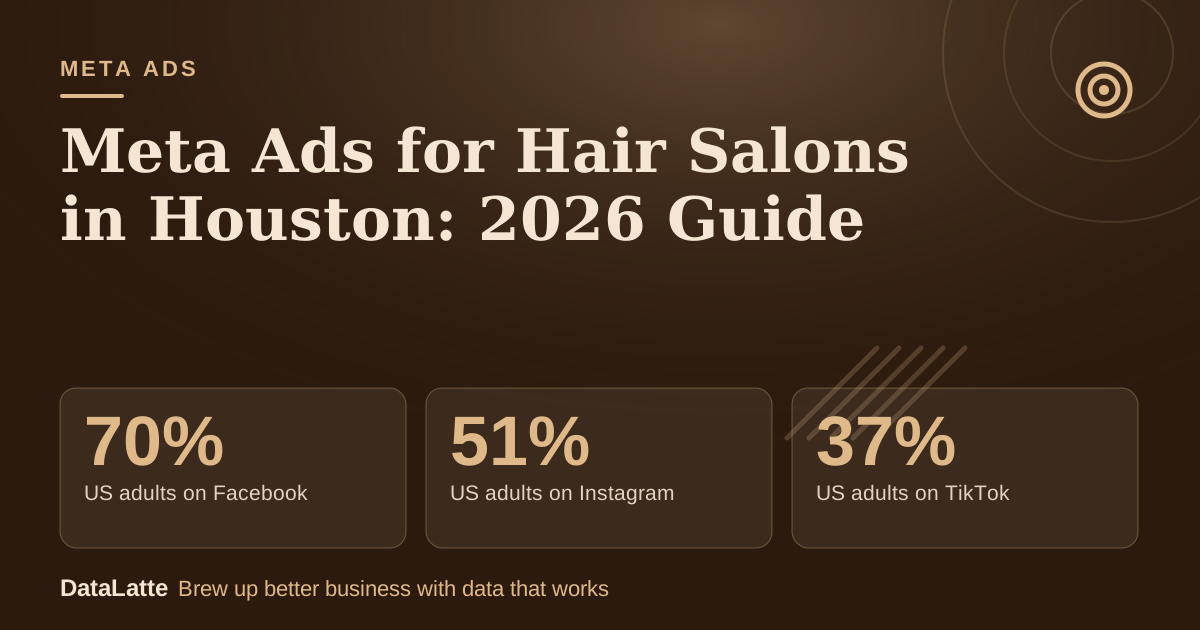
National survey data gives a starting point for channel choice. In Pew Research Center's 2026 fact sheet, 70% of US adults say they use Facebook and 51% say they use Instagram, and YouTube is the most widely used platform at 84% (
Pew Research Center). Pew does not break these figures down by city, so Houston reach has to be checked inside your own ad account.
Facebook and Instagram run on the same Meta Ads system, so one campaign can often be placed on both. The practical question is which placement your bookings come from. A comparison of the two platforms is covered in
Instagram ads vs Facebook ads, and the core setup steps are in
Using Meta ads for hair salon marketing.
Meta's own guidance says an A/B test compares two versions of a strategy by changing one variable, such as the image, the ad text, the audience or the placement. Each version is shown to a separate segment of the audience so nobody sees both, and the test then shows which version performs better (
Meta for Business).
Meta also says to use the same budget for both versions so the comparison is fair. It advises against informal testing, such as switching ad sets on and off by hand, because that can create overlapping audiences and unreliable results (
Meta for Business). Pick one variable per test. For a salon, a useful first test is a before-and-after video against a single styled photo, with the same audience and the same booking link.
What Does a Worked Budget Look Like?
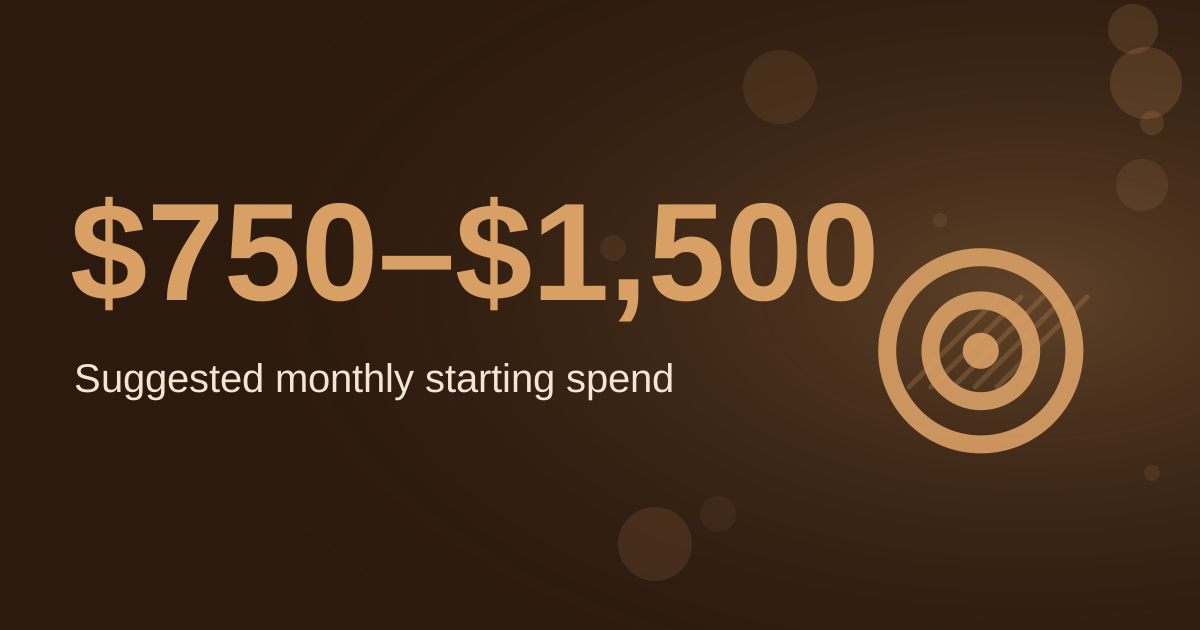
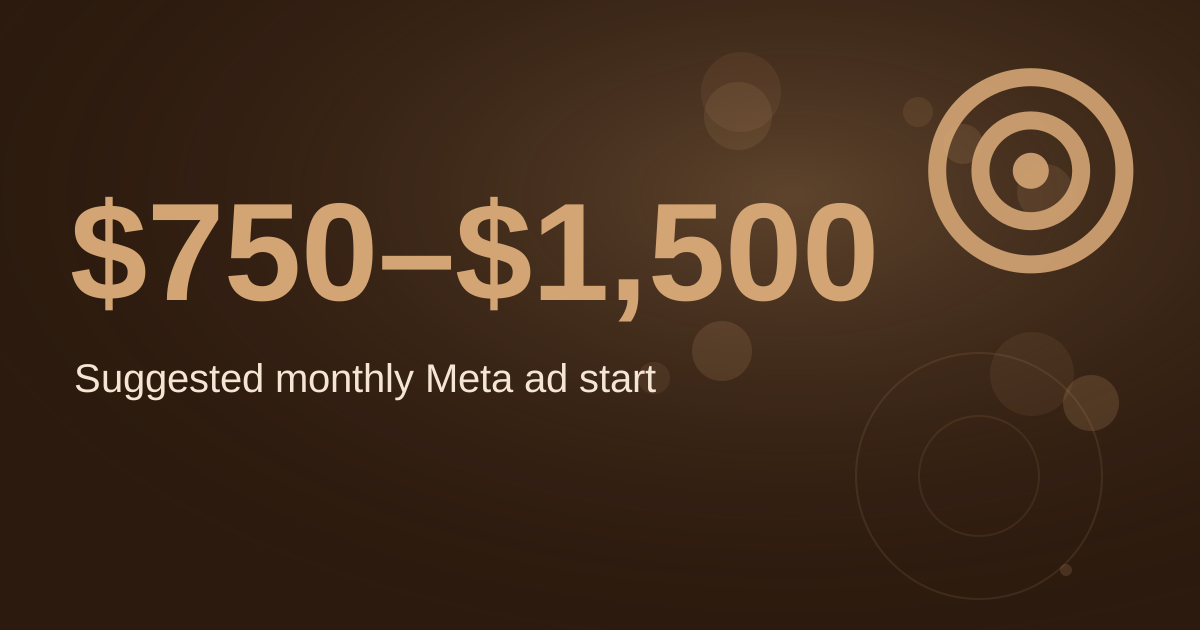
The table below uses a $600 monthly test split evenly across two ad variants. Every input marked assumption is an example value for illustration, not a benchmark from the sources. Replace each one with your own figures after the first two weeks of delivery.
| Line item | Per variant (assumption inputs) | Notes |
|---|
| Monthly test budget | $300 | Assumption: $600 total, split evenly per Meta's same-budget guidance |
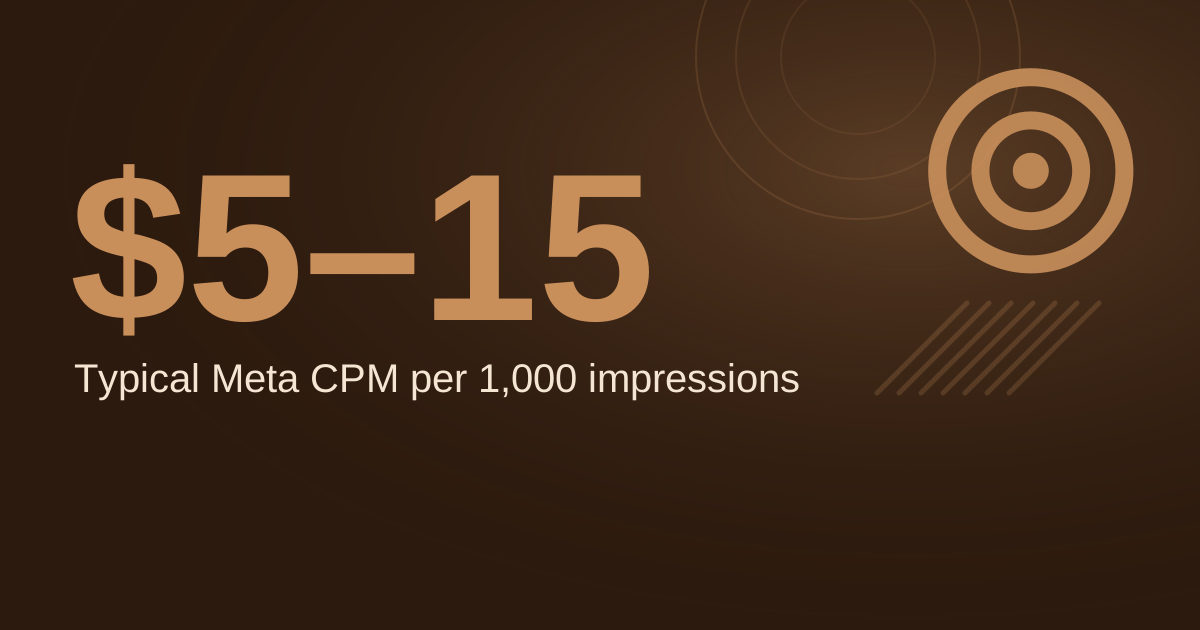
| CPM (cost per 1,000 impressions) | $15 | Assumption, not a Houston benchmark |
| Impressions | 20,000 | $300 ÷ $15 × 1,000 |
| Click-through rate | 2% | Assumption |
| Clicks | 400 | 20,000 × 2% |
| Booking rate from clicks | 5% | Assumption |
| Bookings | 20 | 400 × 5% |
| Cost per booking | $15 | $300 ÷ 20 |
| Average ticket | $80 | Assumption |
| Booking revenue | $1,600 | 20 × $80 |
At these assumed inputs, each variant returns about $5.33 in booking revenue for every $1 spent. If your real CPM or booking rate is lower, the figure falls quickly, which is why the first month should be used to measure rather than to scale.
Stories and Reels are the placements most salons test first because they are full-screen and easy to act on from a phone. A focused walkthrough of Stories for bookings is in
Instagram story ads for salons and bookings. Carousels can work well for a service menu, where each card shows one service and a price range you have confirmed.
Choose the campaign objective that matches the action you want. If the goal is a booking, optimise for the booking or lead event that Meta can track, not for reach or video views. Keep the creative honest: show your own stylists and your own work, not generic stock images, because the ad has to match what the client sees when they arrive.
How Should Tracking Be Set Up Before Scaling?
Before you increase any budget, confirm that the Meta Pixel is installed on the booking confirmation page and that a conversion event fires when someone completes a booking. Add UTM parameters to every ad URL so your analytics tool can separate Meta traffic from other sources. Without these, the cost per booking in the table above cannot be measured, and decisions get made on impressions and likes.
If you also run search ads, check overlap with paid search. The full search setup is in
Google Ads for hair salons: complete guide. Compare cost per booking across both channels using the same booking event so the figures are comparable.
FAQ
They can, as long as the budget is enough to get meaningful delivery and the test runs long enough to read results. The worked example uses $600 a month, but the right figure for your market depends on your own CPM and booking rate, which you should measure in your account.
Should I run one ad or several?
Run several variants, but test one variable at a time. Meta's guidance is to use the same budget for each version so the comparison is fair, and to avoid switching ad sets on and off manually.
Which audience should a Houston salon target?
Start with a local radius around your location and a demographic that matches your core services, then check which segments book. Custom audiences built from past clients are another option, but they need enough data to be useful.
Track cost per booking and booking revenue, not impressions or reach. If the cost per booking is above what you can afford to pay for a new client, change one variable and test again.
Next Steps
If you want a second opinion on your current Meta setup, a
free audit can check your tracking, audience and booking flow against the steps above.
Sources
Free for local businesses
Want this applied to your business?
I'll review your Google presence, local SEO, and ad accounts — and send you a specific action plan within 48 hours. No pitch, no pressure.