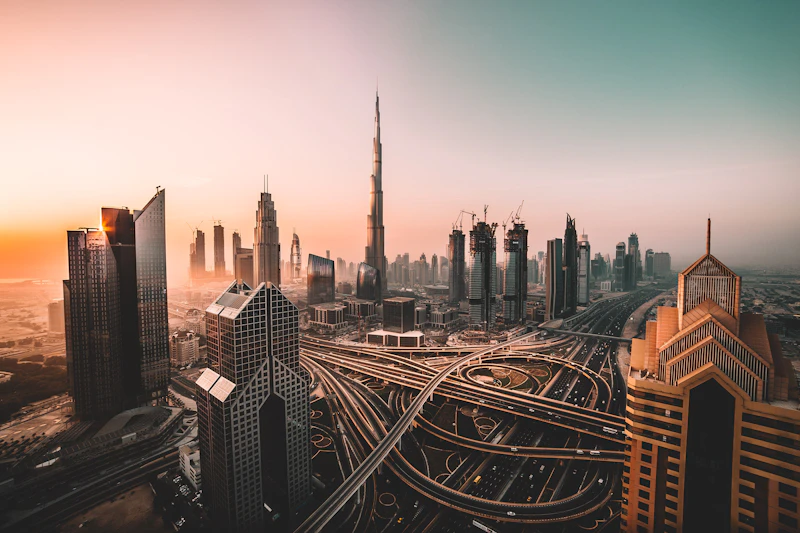
Digital Marketing for Small Businesses in the GCC: UAE, Saudi Arabia & Gulf Markets in 2026
Instagram: The Primary Platform for Gulf Small Businesses
- High-production visual content — Gulf audiences expect polished aesthetics. Blurry phone photos or low-effort graphics perform poorly. Invest in a basic lighting setup and learn simple food/product photography.
- Arabic captions alongside English — posting bilingual captions (Arabic first, English below) dramatically expands your reach and signals cultural respect
- Reels over static posts — Instagram's algorithm heavily favours Reels across all markets, and the GCC is no exception. Even simple 15–30 second behind-the-scenes videos consistently outperform static imagery in reach
- Stories with polls, questions, and countdowns — Gulf audiences are highly interactive on Stories. Use polls ("Which flavour should we add next?") and countdown timers for flash sales or new product launches
- Influencer partnerships — micro-influencers (10K–100K followers) in specific Gulf cities deliver strong ROI for local businesses. A Dubai fitness influencer tagging your gym, or a Riyadh food blogger featuring your restaurant, can convert their audience into your customers at a fraction of the cost of traditional advertising
- Local Arabic-speaking audience: Arabic-language creatives, Islamic-appropriate imagery, local cultural references
- South Asian expats (Indian, Pakistani, Sri Lankan): English or Hindi language, value-driven offers
- Western expats: English content, lifestyle positioning, premium pricing is acceptable
Snapchat: Underestimated and Powerful in the Gulf
- Snap Maps allows location-based discovery — users can browse snaps and stories from businesses near them
- Snapchat Ads Manager offers local awareness campaigns targeting specific cities or radii
- The ephemeral, authentic format of Snapchat content aligns with how Gulf users seek informal peer recommendations
- CPMs on Snapchat in the GCC often run lower than on Instagram, offering efficient reach for smaller budgets
Google Ads in AED and SAR: High-Value Search Traffic
- UAE (billed in AED): Average CPC for local service keywords ranges from AED 3–20, with competitive categories (real estate, dental, legal) reaching AED 40–80
- Saudi Arabia (billed in SAR): Average CPC ranges SAR 2–15 for most local business categories
- Qatar and Kuwait follow similar pricing to UAE given comparable market size and competition
Noon vs Amazon.ae: E-Commerce Context for Retail Businesses
Ramadan: The Marketing Peak You Cannot Ignore
- Social media usage increases by 30–50% during Ramadan evenings (after Iftar, the fast-breaking meal)
- The peak engagement window is 9 PM – 2 AM local time
- Gifting (food boxes, dates, baklava, perfume, fashion) is a dominant spending category
- Businesses that acknowledge the spiritual significance of Ramadan respectfully (rather than treating it purely commercially) earn lasting customer goodwill
- Launch your Ramadan campaign 2 weeks before the month begins
- Offer Iftar-themed bundles, Suhoor (pre-dawn meal) specials, or Ramadan gift sets
- Shift your posting schedule to the 9 PM–midnight window
- Use Arabic-language content with warm, celebratory design (gold, deep green, crescent imagery)
- Consider a charitable angle — donating a meal or percentage of sales to a food charity resonates deeply during this month
Arabic vs English Content Strategy
- Targeting Saudi Arabian national consumers (Arabic is essential)
- Targeting Emirati consumers (strongly preferred)
- For any content related to Ramadan, Eid, or Islamic cultural moments
- For government-facing communications or formal business listings
- Targeting expat communities in UAE (particularly Western, Indian, and Filipino expats)
- For luxury and premium positioning (English carries aspirational status in parts of the GCC)
- For tech, digital services, and B2B marketing
Vision 2030 and Saudi Arabia's Digital Economy
- The entertainment and tourism sectors (previously restricted) are now open — gyms, cinemas, concert venues, and mixed-gender restaurants represent new addressable markets
- Government digital platforms (Absher, Etimad) have made business compliance more manageable
- Saudi consumers have more disposable income directed toward domestic spending as Vision 2030 diversifies the economy away from oil
Snapchat penetration in Saudi Arabia
highest Snapchat rate globally
Peak Ramadan social media window
after Iftar, usage spikes 30-50%
Expat share of UAE population
creating diverse audience segments
Google Ads avg CPC range in UAE
for local service category keywords
Estimates for illustration; actual numbers vary.
Building Your GCC Digital Marketing Stack
- Instagram — primary visual marketing and paid social platform
- Snapchat — essential for Saudi Arabia, supplementary for UAE
- WhatsApp Business — primary client communication and appointment management
- Google Business Profile + Google Ads — local search capture
- Bilingual content strategy — Arabic + English across all channels
Related Articles
- The 1-Hour Weekly Marketing Plan for Busy Small Business Owners
- How to Get Local Press Coverage for Your Small Business (For Free)
- How to Respond to Every Type of Negative Review (Scripts Included)
- How to Set a Marketing Budget When You Have No Idea What You're Doing
- How to Stand Out When Every Competitor Looks the Same
Free for local businesses
Want this applied to your business?
I'll review your Google presence, local SEO, and ad accounts — and send you a specific action plan within 48 hours. No pitch, no pressure.
Want hands-on help?
See how DataLatte handles Analytics & Reporting for local businesses.

Local marketing strategist with 10+ years at global agencies — OMD, Dentsu, GroupM, and BBDO. Now helping small businesses get the same data-driven edge. Based in Europe, working with clients in the US, UK, Australia, and beyond.
About NataliiaRelated articles

Word of Mouth Alone Won't Grow a Local Business
7 min read
Digital Marketing for Small Businesses in Southeast Asia: Thailand, Vietnam, Philippines & Beyond in 2026
10 min read
Digital Marketing for Small Businesses in South Africa: Google, Facebook & Local Channels in 2026
9 min read
Digital Marketing for Small Businesses in Russia: Platforms, Strategies & What Works in 2026
9 min readWant this applied to your business?
Let's review your current marketing setup together — free, no obligations.
Get Your Free Marketing Audit