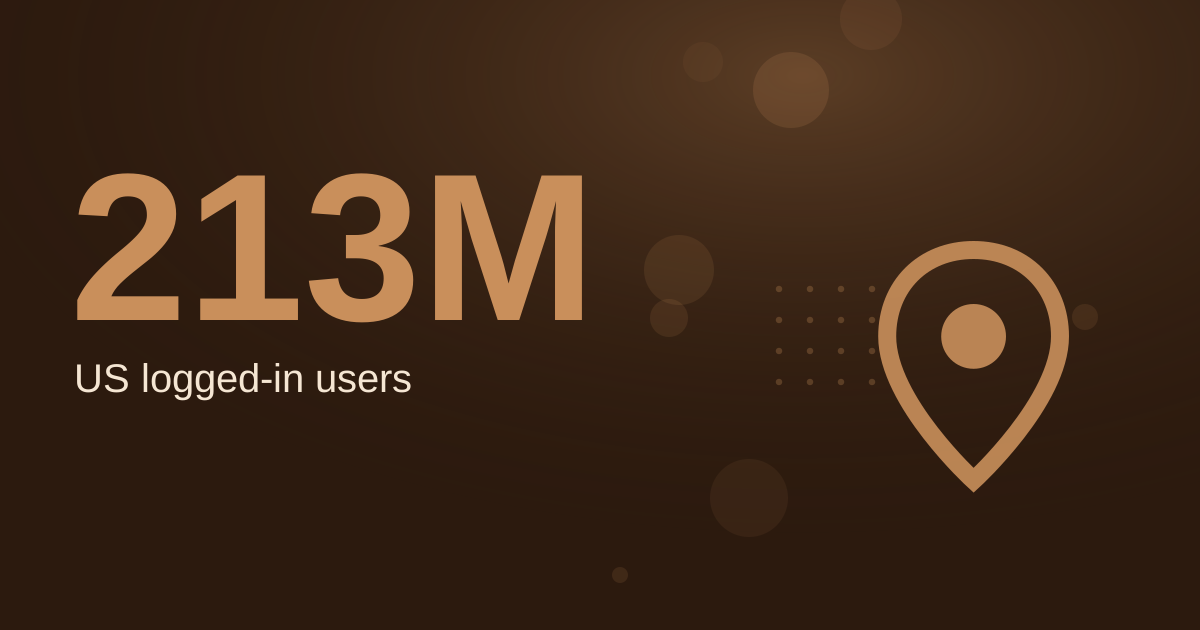
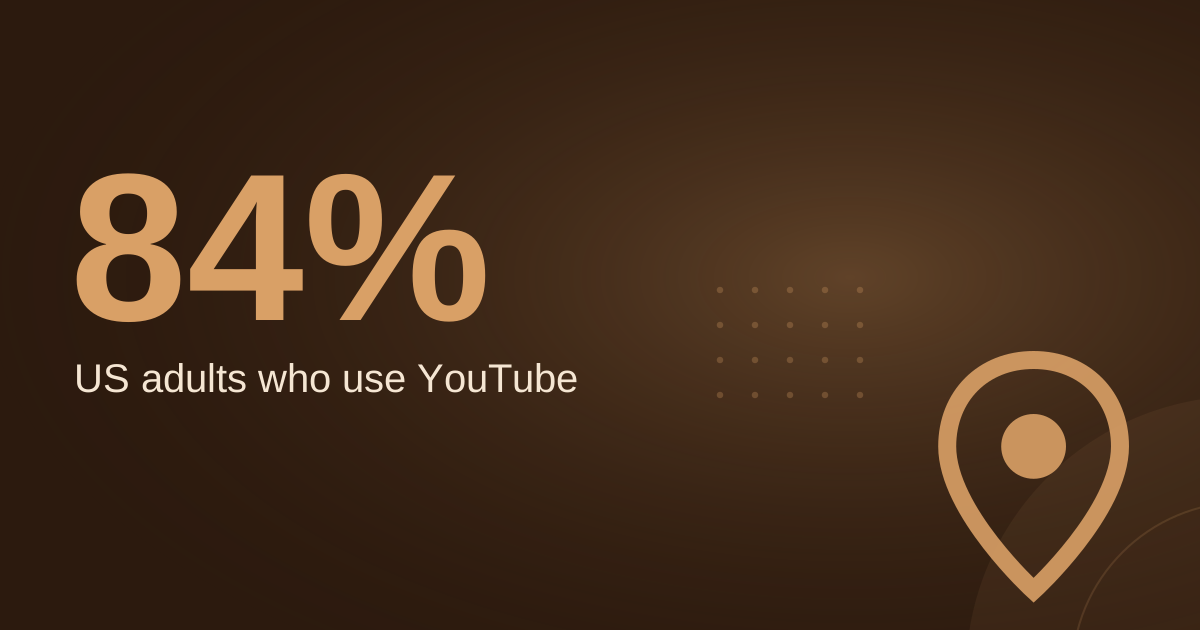
Yahoo search ads are worth a small test only if you can measure the result. Published figures specific to Yahoo are thin, so the practical route is Microsoft Advertising, Microsoft's self-serve platform for search ads. New US customers can earn a $500 credit after spending $250. Start with a budget you can afford to lose, and judge the test on cost per lead rather than on reach.
This guide separates what can be verified from what cannot, including Yahoo-specific click prices, which none of the cited sources publish.
→
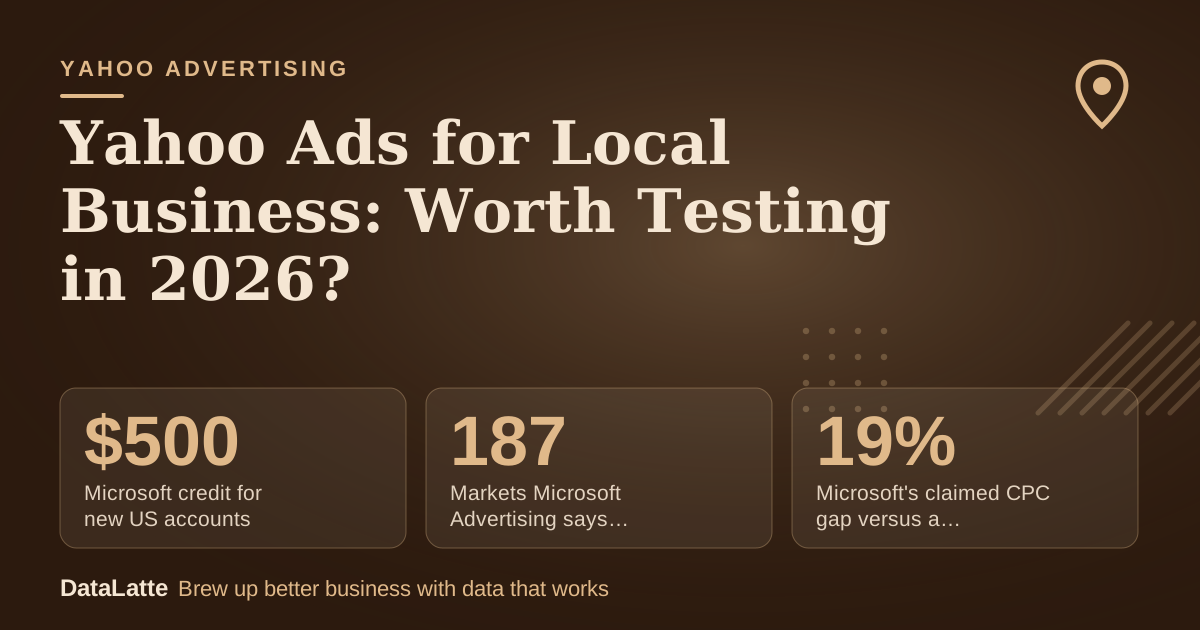
Microsoft credit for new US accounts
Spend $250 first, expires June 30, 2027 (Microsoft)
→
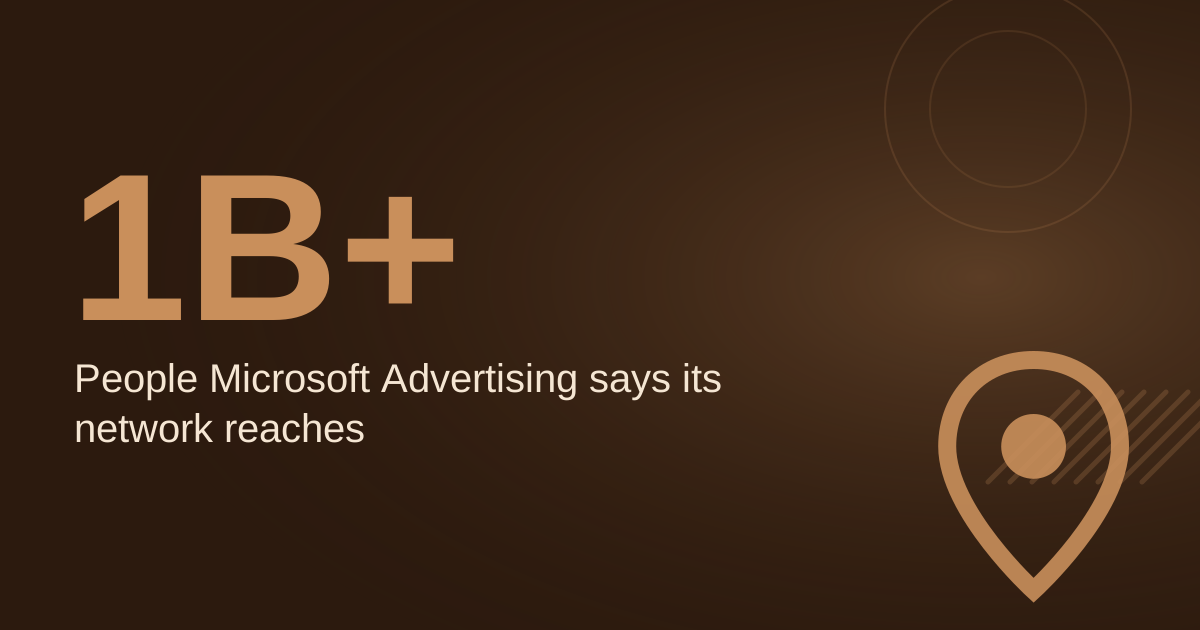
Markets Microsoft Advertising says it reaches
Reach claim: 1B+ people, global (Microsoft)
→
Microsoft's claimed CPC gap versus a leading platform
Vendor-cited, EMARKETER Q1 2026 (Microsoft)
→
Average search CPC, all industries, 2026
LocaliQ with WordStream, 2026 (LocaliQ)
See Sources at the end of the article. Cards marked Assumption are examples, not results.
Is Microsoft Advertising Reach Worth a Look?
Microsoft says its network reaches more than 1 billion people across 187 markets globally. That is a worldwide figure, so it says little about a single town or city. It is a reason to look, not a reason to spend.
Microsoft also says its audiences are 51% more likely to be higher income, citing comScore qSearch data from March 2026. That is a vendor claim. A local business should check whether its own customers fit that profile before assuming the audience is a match.
For mobile location targeting, the
geofencing guide for local business explains how radius-based ads work. It is a different channel, so it does not replace a search test.
What Does the $500 Credit Require?
Microsoft's offer applies to new US customers who spend $250 on advertising charges, excluding taxes, and then receive a $500 ad credit. The offer expires June 30, 2027.
Any part of the credit not used within 90 days of the award expires and cannot be carried over. A test that spends less than $250 will not qualify. The Bing Ads cost guide covers ongoing pricing once the test is over.
Check the current terms on Microsoft's live offer page before you commit, since promotional rules can change.
What Benchmarks Should a Local Test Be Judged Against?
LocaliQ, working with WordStream, puts the average cost per click for search advertising across all industries in 2026 at $5.42. Adwave's summary of the same benchmark work gives an average cost per lead of $66.69 across Google and Microsoft Ads (secondary).
These are all-industry averages. Your own Google Ads results for the same service are a better comparison than any benchmark, so pull those numbers first. ClicksGeek describes adding Microsoft to a Google Ads account as a low-effort way to capture 10-15% more search traffic at lower costs (secondary). That is a blog claim, not a measured result for your market.
How Much Does a 60-Day Test Cost?
Assumption-based worked example for a single service campaign:
- Daily cap: $2.50 (assumption)
- Test length: 60 days (plan)
- Total spend: $2.50 × 60 = $150
- Estimated clicks at the $5.42 all-industry CPC: $150 ÷ $5.42 ≈ 28 clicks
Adwave suggests a small budget of $50-100 for testing one paid channel (secondary). A $150 test sits above that range, so choose a cap that matches what you can afford to lose. Cost per click varies widely by service and town, so the 28 clicks are a planning estimate, not a forecast.
How Do You Run the Test Step by Step?
- Pick one Google Ads campaign that already converts, for one service with clear value, such as emergency repair or a first-visit offer.
- Recreate it in Microsoft Advertising with the same location targets and ad copy.
- Use the same call and form tracking as Google, so results compare fairly.
- Set the daily cap and leave it unchanged for the full 60 days.
- Review on cost per lead and booked jobs, not on clicks.
The
Microsoft (Bing) Ads guide for local business walks through the setup and import steps in more detail.
How Do You Read the Result?
Assumption-based example: a locksmith spends $150 over 60 days and gets 6 calls. That is $25 per call. On Google, the same service costs $40 per call (both figures are assumptions for illustration).
The test passes on cost, but six calls is a small sample. Run another 60 days before moving more budget. If the cost per call stays lower with more calls, the channel earns a larger test. If it rises, stop and keep the budget on Google.
What Cannot Be Stated About Yahoo Yet?
This guide does not give a Yahoo click price, a Yahoo audience age profile or a minimum spend for Yahoo's programmatic buying platform. Yahoo DSP is a separate programmatic product, and nothing cited here confirms its fees, minimums or local targeting, so do not assume a search test tells you how it performs.
Check whether Yahoo placements appear in your Microsoft Advertising campaigns through your account's placement settings. Confirm the current options on Microsoft's live help pages, since the cited sources do not spell them out.
FAQ
Is Yahoo Ads dead for local business?
No source cited here says so. The sources do not publish current Yahoo-specific performance data, so the only way to judge it for your business is a small, measured test.
Is Yahoo cheaper than Google?
No cited source gives a Yahoo click price, so there is no verified comparison. Microsoft's own 19% lower CPC claim is a vendor-cited figure against a leading platform, not a Yahoo-specific price.
How much should I test with?
Adwave suggests $50-100 for testing one paid channel (secondary). The worked example above uses $150 over 60 days as an assumption. Pick an amount you can afford to lose.
Does the $500 credit apply to a small test?
Only if you spend $250 on advertising charges, excluding taxes, as a new US customer. A test below that amount will not receive the credit, and any unused credit expires after 90 days.
Sources
Want a second ad channel tested properly? See the
Google Ads service or
book a free audit.
Free for local businesses
Want this applied to your business?
I'll review your Google presence, local SEO, and ad accounts — and send you a specific action plan within 48 hours. No pitch, no pressure.