Here is a number to hold onto. If a click costs you $4, 5 in 100 clicks become an enquiry, and 1 in 5 enquiries joins, a new member costs $400 in ads. Change any one of those three inputs and the answer swings between roughly $140 and $1,300.
Those inputs are my assumptions, not benchmarks, and we will work through them below. The point: a gym ad account is a funnel with three dials, and you control more of them than you think.
This guide is for gym and studio owners in the US, UK, Australia and Canada. It covers what clicks and leads tend to cost, how to set up a search campaign, how to track calls and forms, and how to work out whether the whole thing pays back. Dollar figures are US-based benchmarks; for pounds or Australian and Canadian dollars, run the same math with your own local click prices.
What the Benchmarks Say (and Why to Distrust Them a Little)
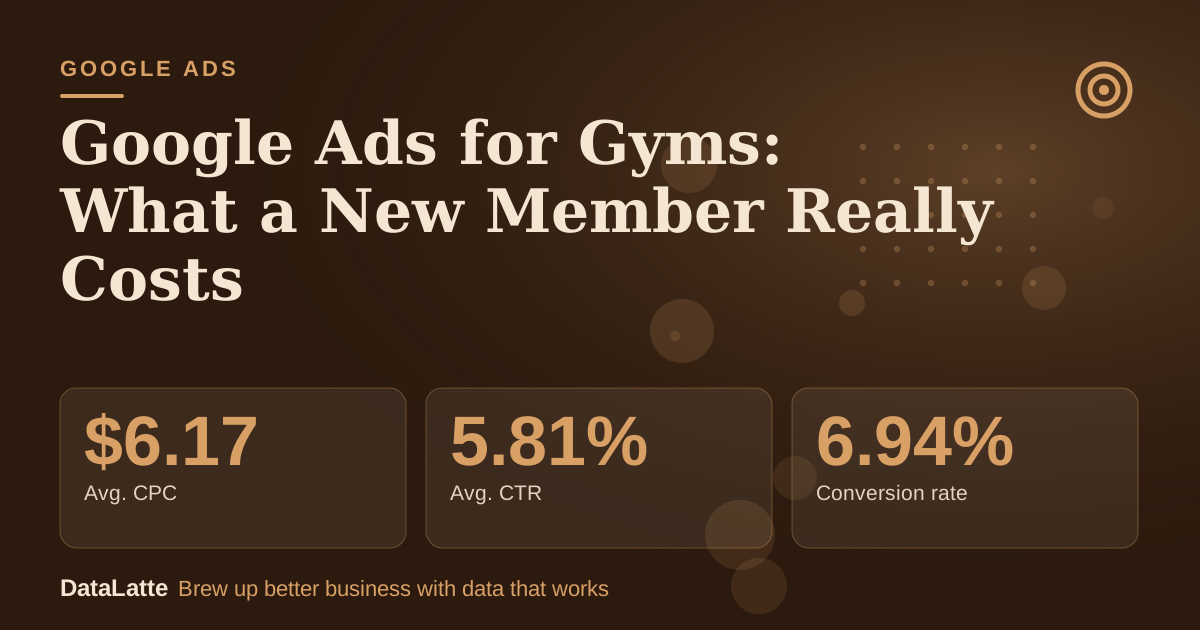
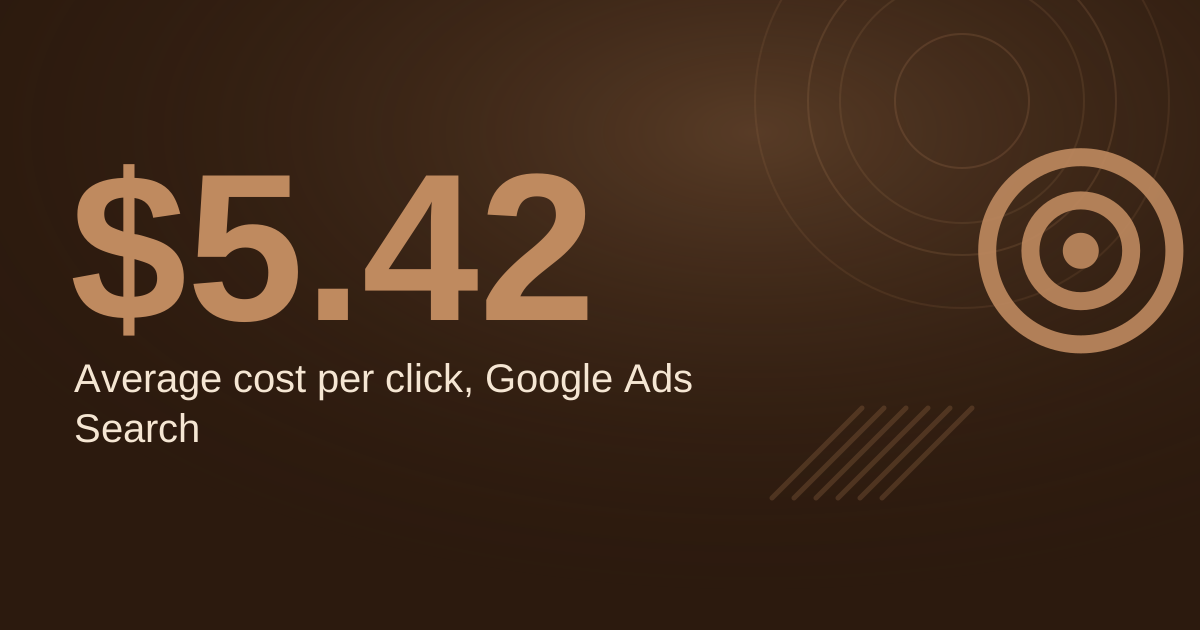
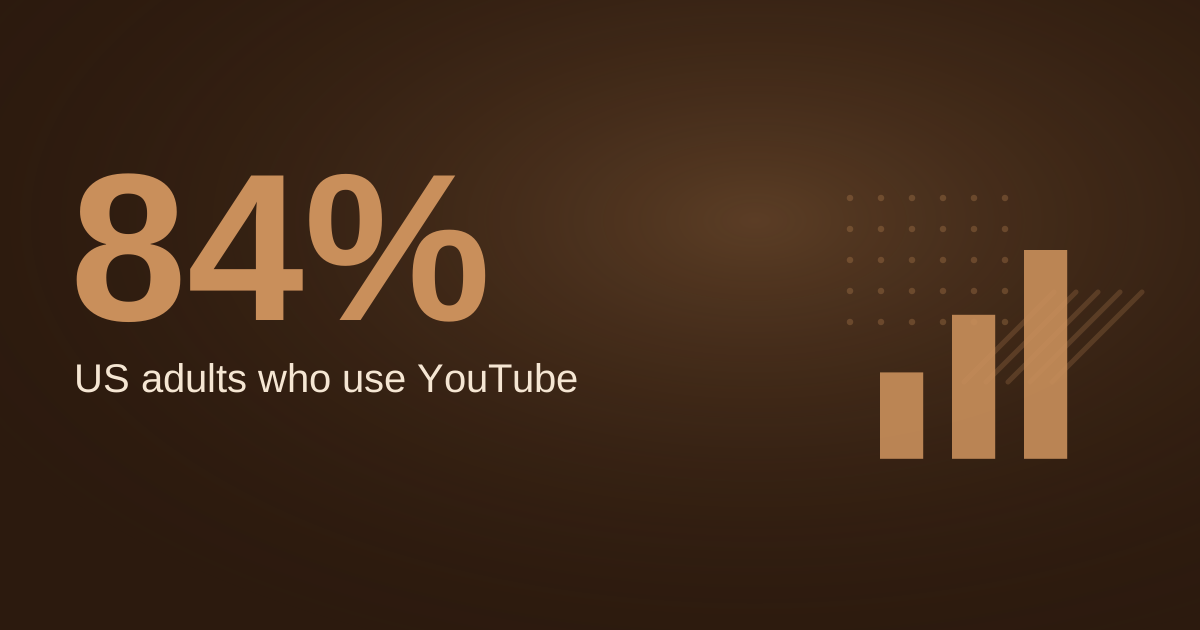
Public fitness benchmarks disagree with each other, because each provider measures a different mix of advertisers. A 2026 roundup by
Webtonic lists these figures, each credited to a different source:
↑
Avg. CPC
TheAdSpend, Health & Fitness
→
Conversion rate
TheAdSpend
See Sources at the end of the article. Cards marked Assumption are examples, not results.
The same roundup shows how wide the spread is: CPC from $2.77 (WordStream, Sports & Recreation) to $6.17, conversion rate from 4.10% (CuFinder, Fitness & Wellness) to 6.94%, and cost per lead from $47 to $85 (PPCChief, Health & Fitness). It also reports that TheAdSpend's CPC is up 23% year over year.
What to take from this:
- A "normal" click for fitness is somewhere between about $3 and $6. Your own city will sit inside or outside that.
- A cost per lead of roughly $45 to $85 is a reasonable thing to expect to test against, not a promise.
- These are averages across advertisers of all sizes, including apps and online coaches. A single-location gym with a tight radius and a clear offer can land anywhere in that range.
Webtonic also reports a 90-day funnel from an agency called Pilotium for mid-size markets: 25 to 45 leads, then 10 to 18 booked trials, then 4 to 8 new paying members, on $1,000 to $1,500 a month. Pilotium's original is not public, so treat that as a rough second-hand picture of the shape of a funnel, not a target.
Pick the Right Campaign Type
Start with a Search campaign. Search ads show when someone types "gym near me" or "yoga classes [town]". They catch people who are already looking, which is why they usually beat everything else for a single-location gym. Keep it to one campaign per location.
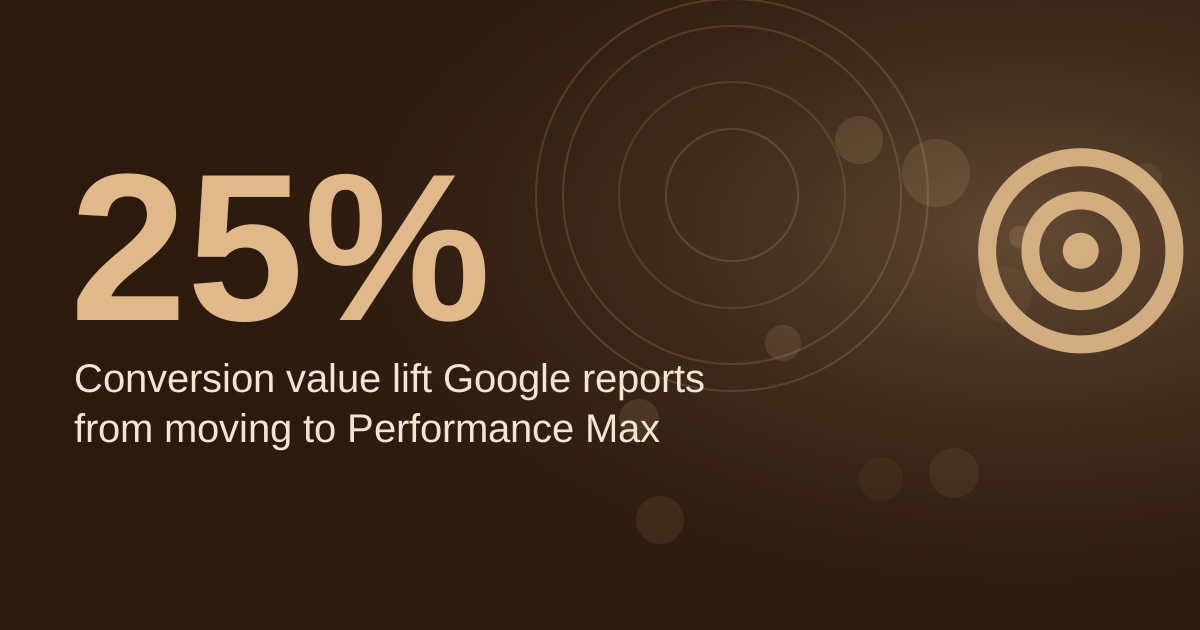
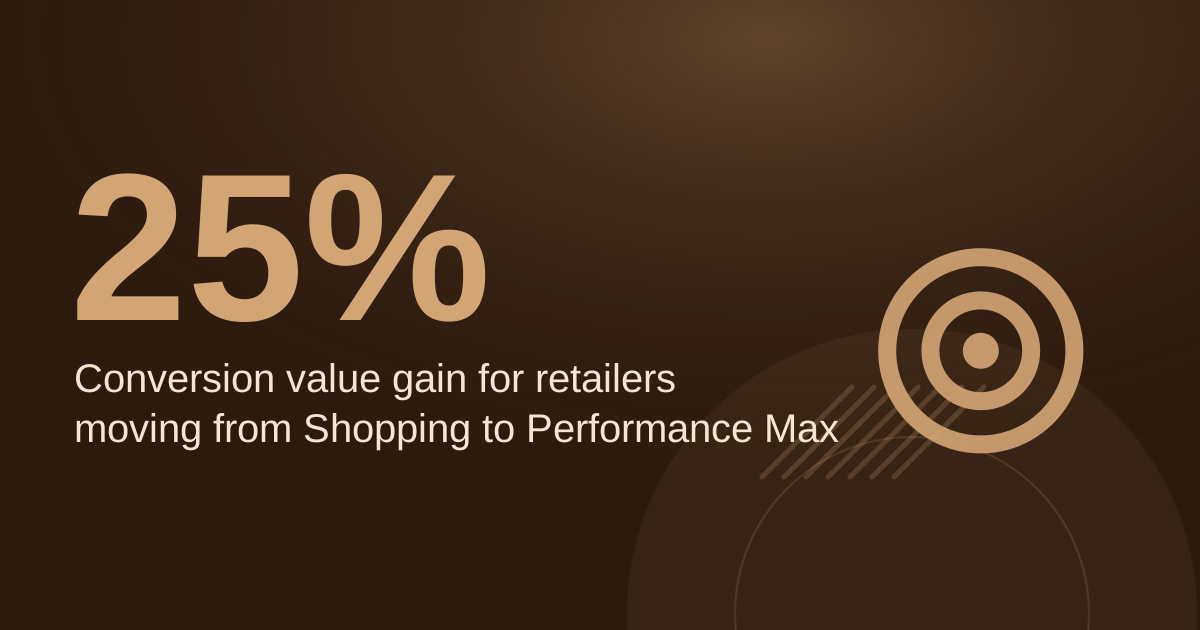
Performance Max is a later experiment, not a starting point. Google's
help page on Performance Max store goals says you define the locations to promote by linking your Business Profile, and that the goals available are store visits, store sales, contacts and directions. You cannot pick store visits and store sales in the same campaign. That is useful for chains with data to feed it. A single studio with a handful of conversions a month usually gives Performance Max too little to learn from, so prove Search first.
Set Up the Campaign Step by Step
1. Location: a radius that matches where members live
Most members live or work within a short trip of the gym. Draw a radius around your address based on your real member postcodes or zip codes: pull your last 50 sign-ups and see where they come from. Cities may need a small radius; suburbs and rural areas a bigger one.
Check the location options setting. Google's
location targeting help describes the combined "presence and interest" option as the default (confirm the Search default in your own account). For a gym, I recommend choosing presence only: people in or regularly in your area. That is my advice, not a Google rule. It stops you paying for clicks from someone in another city who merely searched for your town.
2. Keywords and match types
Google's
match type guide defines three types. Broad match reaches related searches and, per Google, needs Smart Bidding. Phrase match (in quotes) reaches searches that include your keyword's meaning. Exact match (in square brackets) reaches the fewest searches and gives the most control.
With a small budget, start with phrase and exact. Build ad groups by what the person wants:
| Ad group | Example keywords | Match type |
|---|
| Generic gym | "gym near me", [gym in your town], "gyms open now" | Phrase + exact |
| Class type | "pilates classes your town", [boxing gym near me], "spin class near me" | Phrase + exact |
| Offer-led | "gym free trial", "gym no joining fee", "no contract gym" | Phrase |
| Specialty | "women only gym", "kids gymnastics classes", "personal trainer near me" | Phrase + exact |
| Your brand | [your gym name] | Exact |
Keep each ad group to a handful of tightly related keywords so the ad can match the search word for word.
3. Negative keywords
Negatives stop wasted clicks. Add these on day one, then review the search terms report weekly: jobs, careers, salary, equipment, machine, home gym, diy, workout plan, app, youtube, franchise, for sale, second hand, physio, free (unless you offer a free trial, in which case keep "free trial" as a keyword and consider exact-match negatives for plain "free gym").
Our negative keywords guide explains how to apply them at campaign level and by list.
4. Ads that mirror the search
Responsive search ads accept up to 15 headlines (30 characters each) and up to 4 descriptions (90 characters each), according to Google's
responsive search ad requirements. Fill them. Use real, specific text:
- Headlines:
Free 7-Day Trial in [Town], No Contract. Cancel Anytime., Small Group Pilates Classes, Pool, Sauna and 24/7 Access, Beginner Classes Start Mondays
- Descriptions:
Friendly coaches, classes under 12 people and flexible plans. Book your free tour today.
Put the town name and the offer in at least a few headlines, so they match what people typed.
Watch your claims. Google's
unreliable claims policy bans claims that entice the user with an improbable result, even if that result is possible. Its own example is a weight loss ad that says you can eat whatever you want and lose 10 pounds in a month. "Lose 10 kg in 30 days" is the kind of line that gets ads disapproved. "Beginner-friendly classes with a coach" is safe.
5. Assets: calls, location, sitelinks
Add a call asset, a location asset linked to your Business Profile, sitelinks (Timetable, Prices, Free Trial, Book a Tour) and short callouts (No Contract, Showers, Free Parking). They make the ad bigger and give mobile searchers a one-tap way to ring you.
Landing Page: One Offer, One Action
Send clicks to a page built for one offer, not your home page. It needs a headline that repeats the offer, one button ("Claim my free trial"), a short form (name, phone, email), three or four photos of the real space, two or three real reviews, opening hours, a map and a tap-to-call number. Our
landing page best practices go through the layout in detail.
Without conversion tracking, you are just paying for traffic. Set up three conversion actions:
- Form or trial sign-up. Track the thank-you page or the form submit event. Our conversion tracking setup guide covers the steps.
- Calls from the ad. Google's call-tracking help says you can count a call only if it lasts longer than a minimum length you set, which filters out misdials. Pick a duration that matches a real enquiry (for example 30 to 60 seconds; that number is my suggestion, not Google's default).
- Calls from the landing page. Google's website call conversions help explains that a phone snippet swaps your number on the page for a Google forwarding number. It also notes the default tag tracks only one number per page and that Google Tag Manager is not recommended if you use dynamic number insertion or third-party call tracking. See call tracking for local business for the options.
Then close the loop by hand: every new member gets asked how they found you, and you log which enquiries paid. Ad platforms count leads; only your front desk knows which became members.
The Math
Take a $1,000 monthly budget and run three scenarios. Every row below is an assumption for illustration, except that the CPC range is chosen to sit inside the $2.77 to $6.17 spread above. Replace them with your own numbers after a month of data.
| Tough | Base | Strong |
|---|
| Monthly budget (assumption) | $1,000 | $1,000 | $1,000 |
| Cost per click (assumption) | $6.00 | $4.00 | $3.00 |
| Clicks | 167 | 250 | 333 |
| Click to enquiry rate (assumption) | 3% | 5% | 7% |
| Enquiries | 5 | 12.5 | 23 |
| Cost per enquiry | $200 | $80 | $43 |
| Enquiry to member rate (assumption) | 15% | 20% | 30% |
| New members | 0.75 | 2.5 | 7 |
| Ad cost per member | $1,333 | $400 | $143 |
| Monthly fee (assumption) | $55 | $55 | $55 |
| Months of fees to pay back the ad cost | 24 | 7.3 | 2.6 |
How to read it: payback months is ad cost per member divided by the monthly fee. It uses revenue, not profit, so real payback is slower once you count staff and rent. The Base scenario's $80 cost per enquiry lands inside the $47 to $85 range PPCChief reports; the Strong one is better than any benchmark above, so do not plan around it.
Two things follow:
- Your break-even click price. Maximum CPC = target cost per member x enquiry rate x member rate. If you will pay $300 per member, at 5% and 20% your ceiling is $300 x 0.05 x 0.20 = $3.00 a click. Above that, you lose money on average.
- The lever that moves most is your close rate. Going from 15% to 30% enquiry-to-member halves your cost per member without touching the ad account. That is a phone-answering and tour-booking problem.
Also check how long members actually stay. If your average member leaves after 5 months, the Base scenario's 7.3-month payback loses money. Pull your own numbers from your billing system before you scale spend.
Optimise Weekly, Not Daily
Clicks are noisy at gym budgets, so avoid daily tinkering. Each week:
- Read the search terms report and add negatives.
- Pause keywords that spent more than about twice your target cost per enquiry with no enquiries.
- Rotate in one new headline or offer every two weeks.
- Check calls by time of day and match ad hours to when someone answers the phone.
- Raise the budget by 20% or so only on campaigns that hit your target cost per member.
Pair this with a complete Google Business Profile, because people compare reviews and photos before they click anything. For city-by-city detail, our Google Ads for fitness studios guide goes deeper on offers.
Someone searching "gym near me" often contacts two or three gyms in the same hour. Reply to forms within minutes and ring back missed calls the same day. It is the cheapest improvement on this page.
Do This Today
- Pull your last 50 new members and note the town or zip code of each. Draw your ad radius from that map.
- Work out your numbers: monthly fee, average months a member stays, and the most you will pay for one new member. Use the break-even formula above.
- Create one Search campaign for one location with five tight ad groups, phrase and exact match, and the negative list from this article.
- Build one landing page for one offer, then set up form, ad-call and landing-page-call conversions before turning the ads on.
- Put a 15-minute reply rule in place for every enquiry, and book a weekly 20-minute slot to read the search terms report.
FAQ
Q: How much should a gym spend on Google Ads per month?
A: There is no official number. Pilotium's funnel, as reported by Webtonic, used $1,000 to $1,500 a month for mid-size markets. At an assumed $4 click that buys roughly 250 to 375 clicks. Use the break-even formula to see what your own market supports.
Q: Is "gym near me" worth bidding on?
A: It can be, because the intent is high, but it is often your most expensive keyword. Run it alongside class-specific and offer-led keywords, and judge it by cost per member, not cost per click.
Q: Should I use Performance Max?
A: Not first. Google says store-goal Performance Max campaigns need your Business Profile linked and optimise toward goals such as store visits or local actions. Run a Search campaign until you have steady conversions, then test.
Q: Google Ads or Facebook ads for a gym?
A: They catch different moments. Google reaches people already searching; Meta can reach people who might join after seeing an offer. Many gyms run Google first, then add Meta. See Facebook ads for fitness studios.
Q: How long before ads bring in members?
A: Enquiries can arrive within days. Give it four to six weeks, my rule of thumb rather than a Google figure, to collect enough clicks and trial-to-member outcomes before judging.
Sources
Want a gym campaign built with proper call and form tracking? See our
Google Ads service, the
fitness studio marketing page, or
contact DataLatte.