Meta ads on Facebook and Instagram can bring new clients to a pet groomer in Tucson, AZ when the budget, audience and creative are set up correctly. One groomer-focused guide suggests starting at $10 to $20 a day, and published estimates put results at one to four weeks after launch. This guide covers realistic budgets, who to target around your location, the formats that hold attention, a worked example of what a $600 monthly budget could return, and the tracking that shows whether ads lead to bookings.
Assumption→
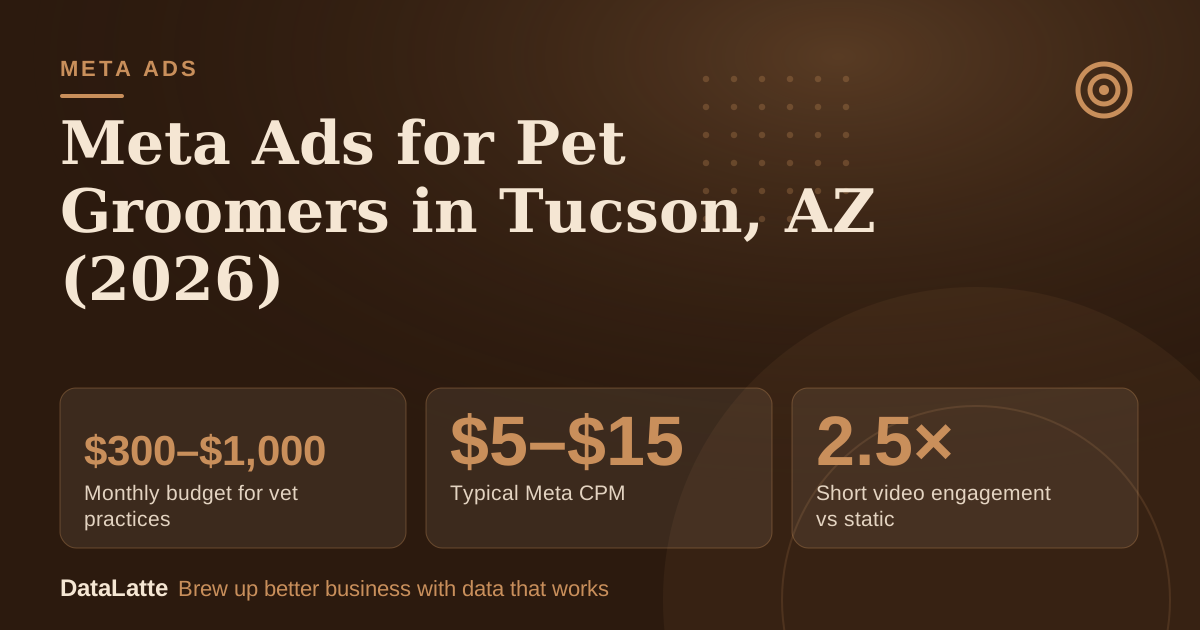
Monthly budget for vet practices
Most practices, AdWave estimate
→
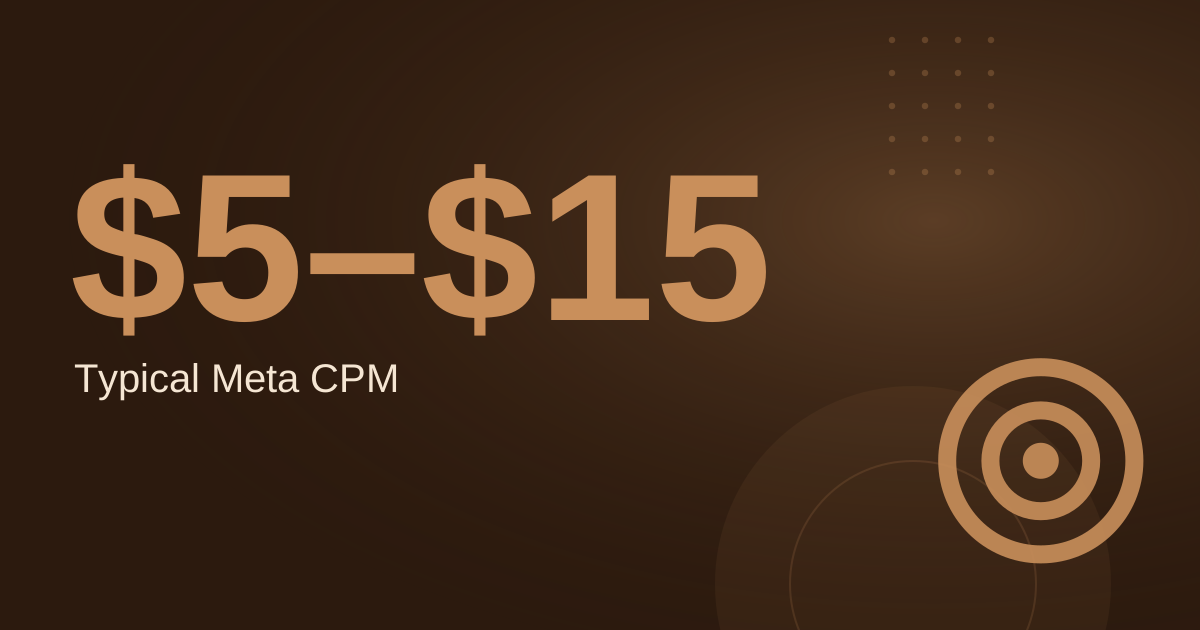
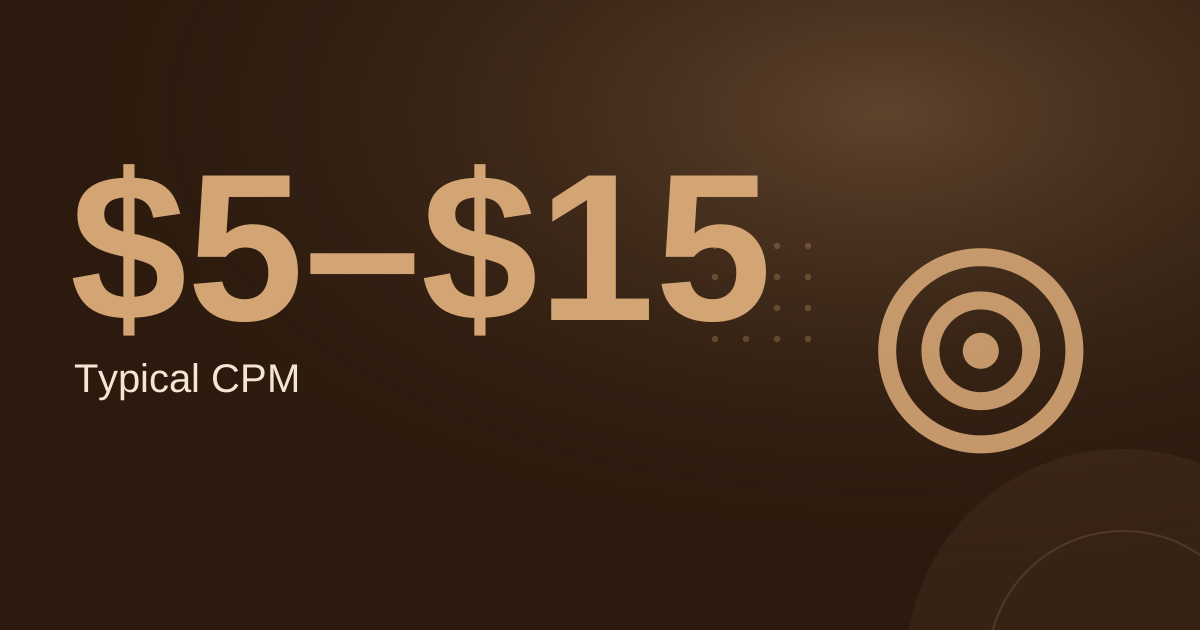
Typical Meta CPM
Cost per 1,000 impressions
↑
Short video engagement vs static
Meta 2025 report as cited by AdWave
→
Time to first results
Restaurant channel table
See Sources at the end of the article. Cards marked Assumption are examples, not results.
Published budget ranges are national rather than city-specific, so treat them as starting points and replace them with your own results after the first month. For veterinary practices,
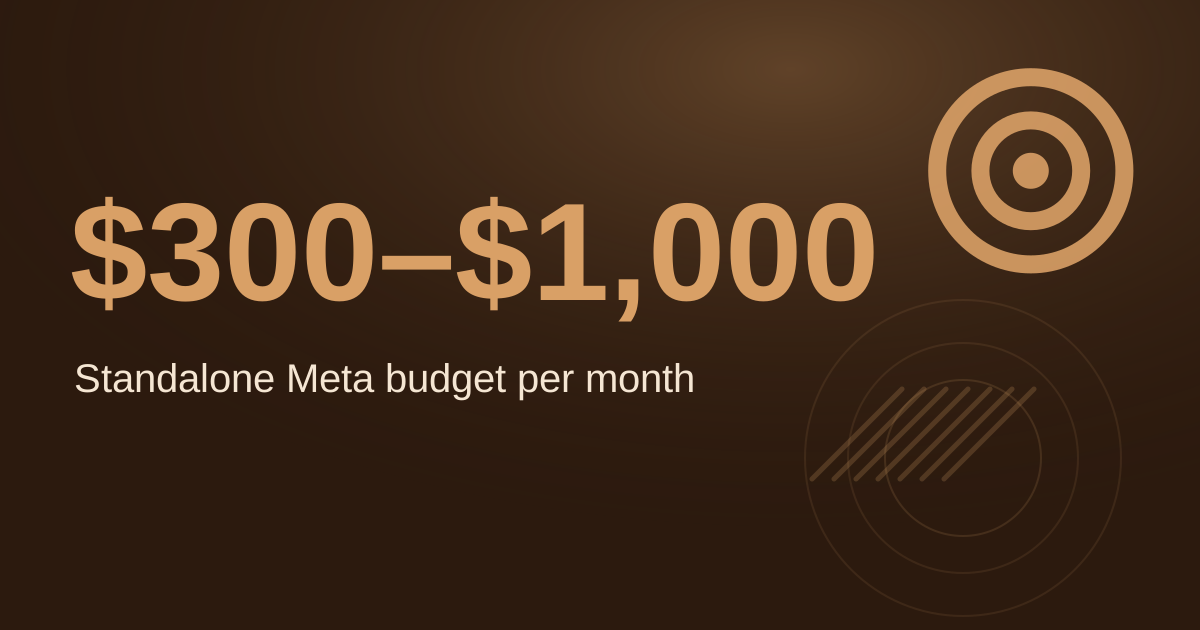
AdWave's veterinary guide states that most can run effective Meta campaigns for $300 to $1,000 per month. A standalone Meta buy
often costs $300 to $1,000 per month, according to the same vendor's channel comparison.
For groomers specifically,
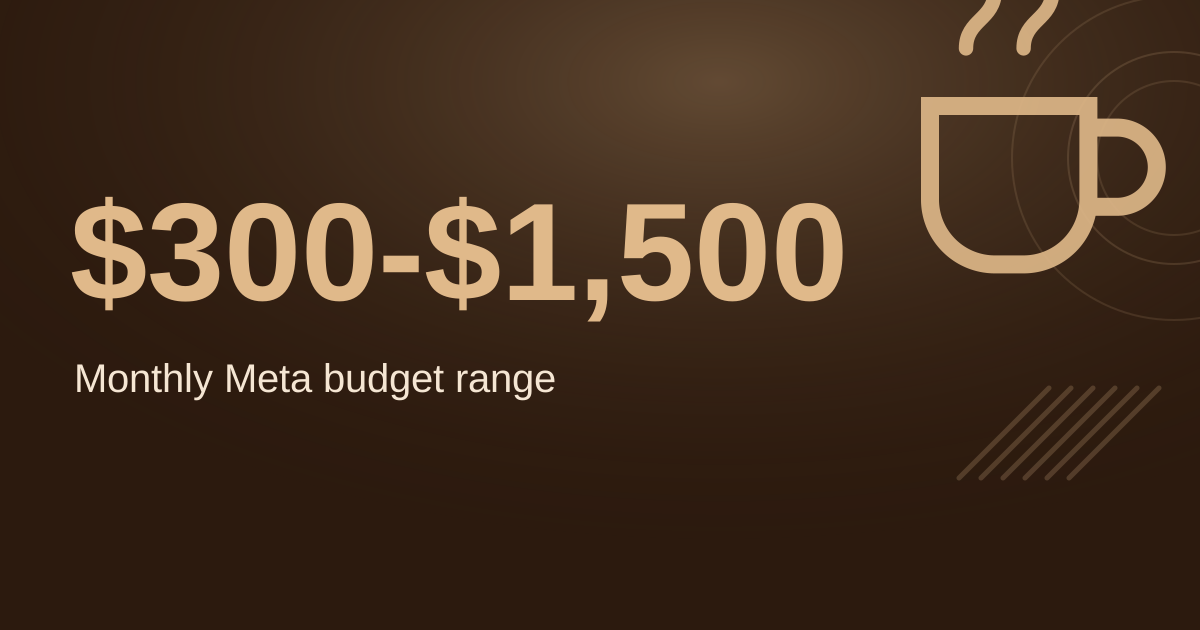
Barklead recommends starting with $10 to $20 per day. Over a 30-day month, that is roughly $300 to $600 (a simple calculation, not a sourced figure). Start at the lower end, then increase spend once you know which ads produce bookings.
Who Should You Target Around Tucson?
Barklead suggests targeting pet owners aged 25 to 60 who are likely to have disposable income, within a 10 to 15 mile radius of the grooming location. For a fixed shop, that radius may be wider than your customers actually drive. Test a tighter area first, then widen it once cost per booking is clear. A mobile groomer should draw the radius around its service area instead.
Check Meta's current help pages for the detailed targeting options available in your account, such as pet-owner interests, because these options change over time. Past clients are a strong audience for repeat services.
AdWave's retargeting guide lists a typical Meta retargeting CPM of $5 to $15, so retargeting a client list is no more expensive per thousand impressions than prospecting.
Short-form video has the strongest sourced case.
AdWave, citing Meta's 2025 Creative Best Practices report, says short-form video generates 2.5 times more engagement than static images on Facebook and Instagram. For a groomer, that can mean a real dog during a groom, a before-and-after reveal, or a short clip of the drying station.
Static photos still work for Feed ads and carousels, especially when the pet is clearly visible and the caption names the service. The Reels approach in
this fitness studio guide carries over to other local services, so the same filming habits apply. Use real photos of the pets you groom, since clients recognise genuine work more easily than generic imagery.
How Do Facebook and Instagram Ads Compare for Groomers?
Instagram ads run through the same system as Facebook ads, Meta Ads Manager, because Instagram is owned by Meta, and one campaign can run on Instagram, Facebook, or both.
AdWave's Instagram guide describes this setup.
Bons and Frazer also describes Meta's ad platform as running across Facebook, Instagram, Messenger and the Audience Network.
Running one campaign across both platforms saves setup time, and it lets you compare results before choosing a single placement. A mobile pet groomer in a
Marketing 360 case study from 2023 chose Facebook and Google as its channels, so a mix is also possible. For a deeper look at placement and cost, see
Instagram ads vs Facebook ads.
What Does a $600 Monthly Budget Return?
The table below is a worked example. Every input marked assumption is a planning value, not a benchmark. Replace each one with your own numbers from Ads Manager.
| Input or result | Value | Basis |
|---|
| Monthly budget | $600 | Assumption (about $20 a day) |
| CPM | $10 | Assumption, inside the $5 to $15 range |
| Impressions | 60,000 | Calculation: $600 ÷ $10 × 1,000 |
| Click-through rate | 0.5% | Assumption |
| Clicks | 300 | Calculation: 60,000 × 0.5% |
| Cost per click | $2.00 | Calculation, inside the $1 to $3 range |
| Click-to-booking rate | 4% | Assumption |
| Bookings | 12 | Calculation: 300 × 4% |
| Cost per booking | $50 | Calculation: $600 ÷ 12 |
| Average ticket | $90 | Assumption |
| Booking revenue | $1,080 | Calculation: 12 × $90 |
| Revenue per $1 spent | $1.80 | Calculation: $1,080 ÷ $600 |
The click-to-booking rate matters more than the CPM in this model. If it drops from 4% to 2%, bookings fall to six and cost per booking doubles to $100. Track that rate from the first week so you can see the drop early.
How Do You Set Up Tracking and Campaigns?
Before spending the full budget, confirm the following steps are in place.
- Install the Meta Pixel on your website and confirm it fires on the booking confirmation page.
- Set a Lead event when someone submits the booking form, so Ads Manager can optimise toward bookings.
- Add UTM parameters to every ad URL so your analytics tool can also track Meta traffic.
- Build one campaign with one clear offer, such as a first-visit discount. A groomer's sample ad copy in Barklead's guide offers 10% off the first grooming session.
- Leave the campaign running for the full one to four weeks before changing the audience or creative.
The most common mistake is judging a campaign in its first few days. Meta's optimisation needs time, and changing the audience too early resets the learning. Allow the full learning window before deciding whether an ad works.
Targeting every animal lover instead of dog and cat owners is another drain. A narrower audience usually gives cleaner results at the same budget. Skipping retargeting is a third mistake, since grooming is a repeat service and past clients already know the business.
Measuring impressions and reach instead of bookings is the most expensive habit. Impressions tell you the ad was shown, not that a dog got booked in. Tie every report back to bookings and cost per booking.
Meta's Blueprint certification covers Facebook and Instagram advertising at no cost, and
a guide on digital marketing skills notes that it includes certification on completion. Course titles and availability change, so check the current list on Meta Blueprint's live help pages before enrolling.
Paid ads work best alongside steady organic posting, so the content you film for ads can also support your profile. For that side of the strategy, read
the pet groomer's guide to Instagram marketing. If you want your budget, tracking and targeting checked against your own numbers,
book a free audit.
FAQ
One groomer-focused guide suggests starting at $10 to $20 per day, which is roughly $300 to $600 over a 30-day month (a calculation). AdWave's veterinary guide puts most practices at $300 to $1,000 per month. Start at the lower end and scale only after bookings are tracked.
AdWave's restaurant channel table lists Meta results in one to four weeks. Allow the full period before judging an ad set, and avoid changing the audience during that window.
Should a groomer use Facebook ads or Instagram ads?
Both run through Meta Ads Manager, and one campaign can run on both platforms. Test placements and compare cost per booking before choosing one.
According to Meta's 2025 Creative Best Practices report, as cited by AdWave, short-form video generates 2.5 times more engagement than static images. This is an average across advertisers, so test your own clips against photos.
What radius should a Tucson groomer target?
Barklead suggests a 10 to 15 mile radius. A single fixed shop may get better results from a tighter area, so test a smaller radius first and widen it once cost per booking is known.
Sources
Free for local businesses
Want this applied to your business?
I'll review your Google presence, local SEO, and ad accounts — and send you a specific action plan within 48 hours. No pitch, no pressure.