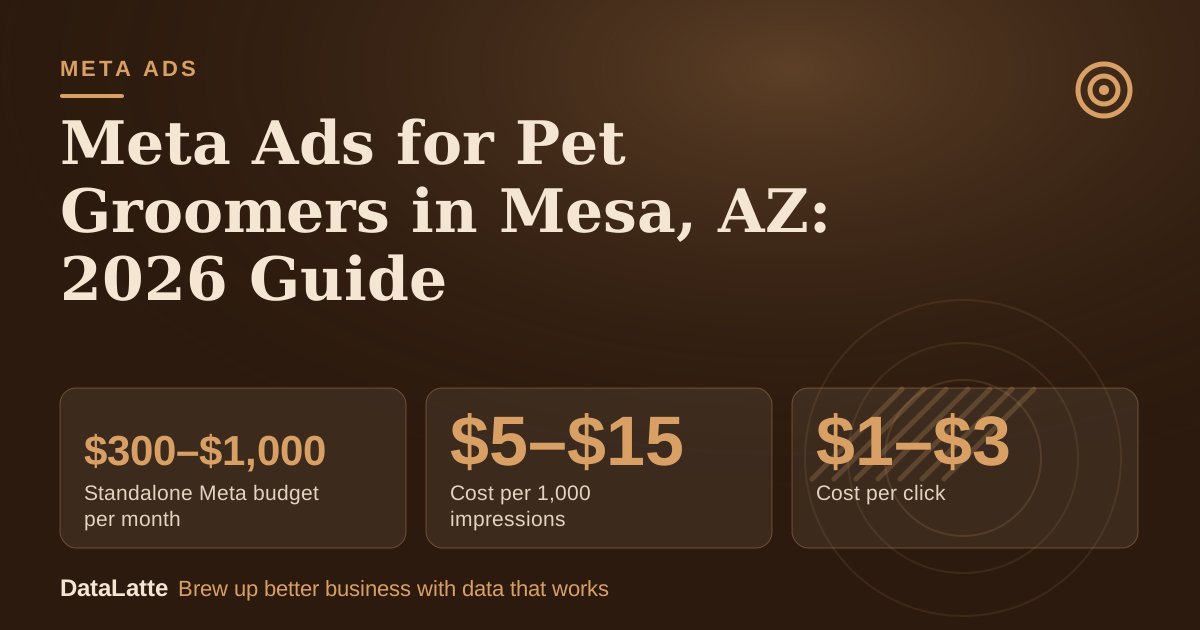
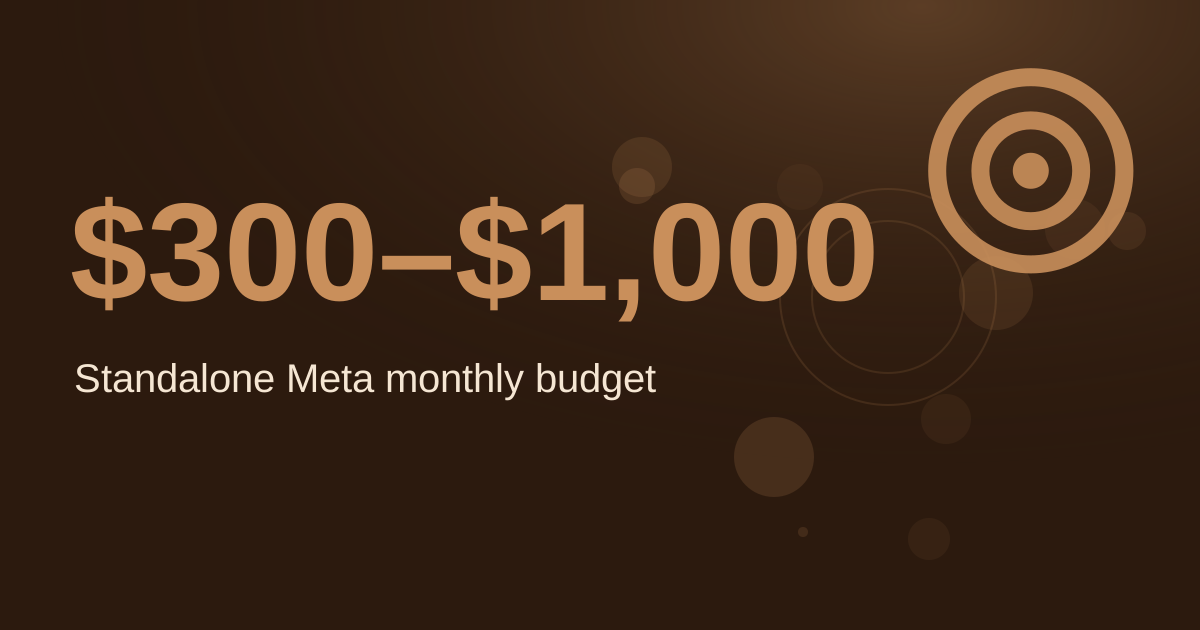
Meta Ads on Facebook and Instagram can bring new clients to a pet grooming business in Mesa, AZ, but the budget and setup need to suit a small local service. A standalone Meta buy often costs $300 to $1,000 per month, according to
Adwave's channel table, and a common starting point is $10 to $20 per day. Ads are placed through Meta Ads Manager, and one campaign can run on Instagram, Facebook, or both. Mesa-specific cost data is not published here, so treat the ranges below as national planning figures to check against your own results.
→
Standalone Meta budget per month
Adwave planning band
→
Cost per 1,000 impressions
Typical Meta range
→
Cost per click
Typical Meta range
↑
Short-form video engagement vs static
Meta 2025 report, cited by Adwave
See Sources at the end of the article. Cards marked Assumption are examples, not results.
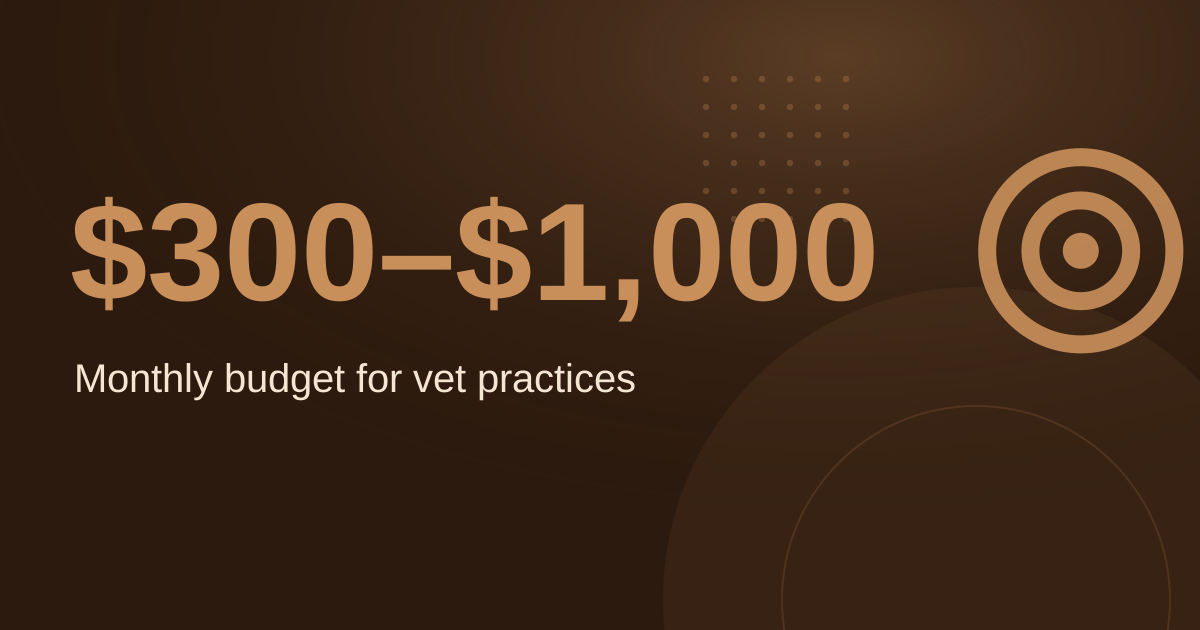
A standalone Facebook and Instagram buy often runs $300 to $1,000 per month, based on
Adwave's channel table. That band describes a single channel's planning range. It does not guarantee bookings at any level of spend.
For a new campaign, the
Barklead guide for groomers (secondary) recommends starting with $10 to $20 per day and increasing spend only after specific ads show strong results. Starting at the low end gives you a clean read on which creative and audience combination earns bookings before you commit more budget.
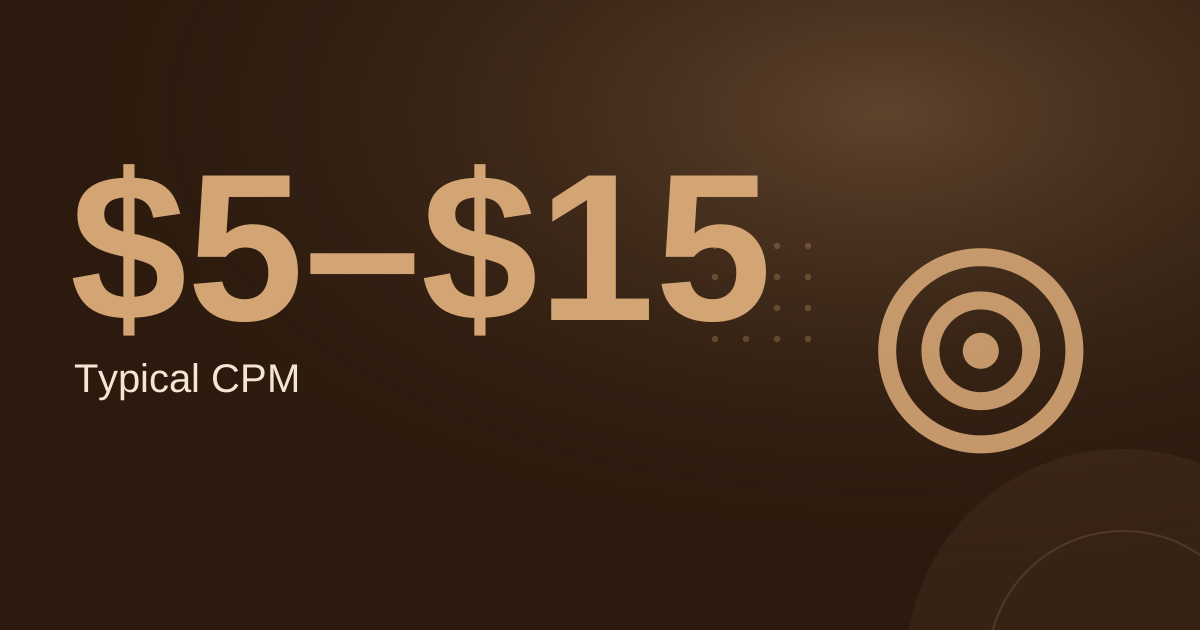
Typical Meta costs are $5 to $15 per thousand impressions and $1 to $3 per click, according to
Adwave's small business marketing guide. Adwave's
retargeting page lists a similar typical CPM of $5 to $15 for Meta retargeting audiences.
These are national ranges. Your Mesa costs can sit above or below them depending on how many other advertisers are bidding for the same audience and how closely the ad matches the offer. Check your own cost per click in Ads Manager after the first two weeks.
Short-form video earns more engagement. Meta's 2025 Creative Best Practices report, as cited by
Adwave (secondary), says short-form video generates 2.5 times more engagement than static images on Facebook and Instagram. For a groomer, that usually means a short clip of a groom in progress or a dog after its appointment, filmed at your salon or your mobile van.
The same format logic applies across local service businesses. The
Reels guide for fitness studios shows how short vertical video can be structured around a single booking action. A
2023 Marketing 360 case study (secondary) describes a mobile pet groomer that chose Facebook and Google as its advertising channels, which is a useful reminder that ads work best alongside a search presence.
How should you target pet owners near your Mesa location?
Barklead (secondary) suggests targeting users within a 10 to 15 mile radius of the groomer's location, and pet owners aged 25 to 60 who are likely to have disposable income. Those are starting suggestions. A mobile groomer that travels across Mesa may need a wider radius than a fixed salon, so test the radius against where your booked clients actually live.
Instagram ads run through the same system as Facebook ads.
Adwave's Instagram page notes that Instagram is owned by Meta, so one campaign can run on Instagram, Facebook, or both.
Turrboo (secondary) lists Facebook, Instagram, and Messenger as platforms covered by Meta Ads Manager. For a deeper comparison of the two placements, read
Instagram ads vs Facebook ads.
Worked example: what a $600 month can return
The table below uses assumption inputs to show how budget, cost and bookings connect. Only the CPM and CPC ranges come from sources; the rest are assumptions to replace with your own numbers.
| Line | Value | Basis |
|---|
| Monthly budget | $600 | Assumption |
| CPM | $10 | Assumption, within the $5 to $15 range |
| Impressions | 60,000 | $600 ÷ $10 × 1,000 |
| CPC | $2 | Assumption, within the $1 to $3 range |
| Clicks | 300 | $600 ÷ $2 |
| Booking rate from click | 5% | Assumption |
| Bookings | 15 | 300 × 5% |
| Average ticket | $60 | Assumption |
| Revenue | $900 | 15 × $60 |
| Revenue per $1 spent | $1.50 | $900 ÷ $600 |
If CPC rises to $3, clicks fall to 200, bookings fall to 10, and revenue drops to $600. That is a return of $1.00 per $1 spent, meaning the campaign only breaks even on first visits. The example assumes each client books once. If grooming is a repeat service in your business, repeat visits decide whether the month is profitable, so track them separately.
What offer and copy should groomers test?
The sample ad copy in the
Barklead guide (secondary) offers a discount on the first session: "Book today and get 10% off your first grooming session." That is a reasonable first test, but the guide does not report which offer performs best, so compare it against a plain booking call to action on the same audience.
Write the copy around a specific place and service, such as Mesa mobile grooming or a named breed, rather than generic claims. Keep one offer per ad so that any change in bookings can be traced to a single variable.
How do you track whether ads bring bookings?
Set up conversion tracking before spending. Without it, you can see clicks and impressions but cannot tell which ad produced a booking. Tie each ad to the same booking page and record which campaign each booking came from.
Meta offers free Facebook and Instagram advertising courses with certification, according to
Sascom's guide (secondary). Check Meta's live Blueprint page for the current course list before enrolling, since course offers change. For a wider view of how paid and organic work together, see the
pet groomers' guide to Instagram marketing.
FAQ
A standalone Meta buy often costs $300 to $1,000 per month, according to
Adwave. Typical costs are $5 to $15 per thousand impressions and $1 to $3 per click. Mesa-specific figures are not published, so check your own results after the first few weeks.
Should a pet groomer start with Facebook or Instagram?
Both run through Meta Ads Manager, so you can start with one campaign placed on both. Barklead's guide focuses on Facebook as a starting point. Use the
Instagram ads vs Facebook ads comparison to decide whether one placement suits your clients better.
Can I start with $10 a day?
Yes. The
Barklead guide (secondary) recommends a daily budget of $10 to $20 to start, then raising spend once high-performing ads are identified. The worked example above shows how a monthly budget of $600 translates into clicks and bookings under stated assumptions.
Video is the stronger format. Meta's 2025 report, as cited by
Adwave (secondary), says short-form video generates 2.5 times more engagement than static images. Static images still work for offers, but test a video version first.
Sources
Want a Meta Ads review for your grooming business?
Get a free audit to check your targeting, budget and booking tracking before you spend more.
Free for local businesses
Want this applied to your business?
I'll review your Google presence, local SEO, and ad accounts — and send you a specific action plan within 48 hours. No pitch, no pressure.