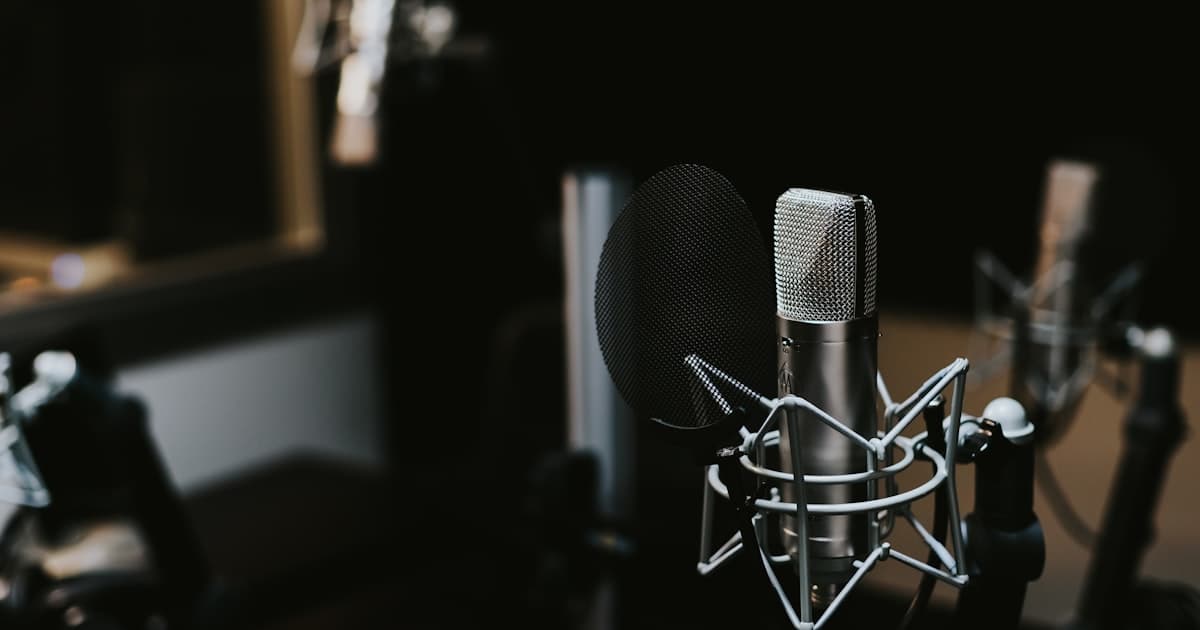
Audio advertising is one of the oldest forms of marketing — radio ads have sold everything from breakfast cereal to cars for a century. Pandora is its modern successor: a streaming music platform reaching 50 million monthly US listeners with targeting capabilities that traditional radio could never offer.
What makes Pandora genuinely interesting for local businesses is the context data. When someone is listening to a "workout" station, they're likely at the gym. When they're playing "morning coffee" music, they're probably starting their day. When the playlist is "relaxing evening," they're winding down at home. These listening contexts tell you something powerful about what the listener might want next.
For the right type of local business, Pandora's audio + display ad combination at relevant moments is one of the most contextually precise buys available at local scale.
What Pandora Offers Advertisers
Pandora is owned by SiriusXM and operates as part of the SiriusXM Media platform. It offers several ad formats:
Audio Ads: 15 or 30-second audio spots that play between songs. Non-skippable in the free tier. This is the core Pandora ad format — voice-first, delivered directly to headphones or speakers.
Display Ads: Visual banners that appear on the Pandora app screen while audio plays. Usually sold alongside audio in companion packages. The listener hears your audio while potentially seeing your visual on their phone screen.
Video Ads (Opt-in): Users choose to watch a 15–30 second video ad in exchange for 30 minutes of ad-free listening. High completion rates because viewers opt in. Available on mobile only.
Sponsored Listening: Listeners choose your sponsored content and get an extended ad-free session. Premium placement with strong engagement.
Pandora for Brands: Large-scale sponsorship of stations or genres — available through Pandora's managed service for larger budgets.
50M→
Monthly US Pandora listeners
Monthly active listeners in US
31→
Monthly US Pandora listeners
Median listener age
$8–15→
Monthly US Pandora listeners
Typical audio CPM
90%→
Monthly US Pandora listeners
Audio ad completion rate (non-skippable)
Estimates for illustration; actual numbers vary.
The Unique Targeting Capabilities
Pandora's data advantage is the listening behaviour of 50 million users across decades of music consumption. This creates targeting dimensions no other platform has:
Activity targeting: Pandora knows when users are creating "workout," "studying," "cooking," "driving," or "party" playlists. A fitness studio can reach people in workout mode. A coffee shop can reach people in morning routine mode.
Music genome targeting: Pandora's famous Music Genome Project categorises every song by hundreds of musical attributes. Audience segments can be built around listeners who prefer certain musical DNA — which correlates to lifestyle attributes.
Mood and moment targeting: "Focus," "energised," "chill," "happy" — listeners' mood-driven station choices translate to targeting segments.
Standard demographic targeting: Age, gender, geography (DMA, zip code, radius), income, and device type.
Behavioural data from SiriusXM ecosystem: SiriusXM's ownership brings car audio data (listeners in vehicles), purchase intent signals, and cross-media behavioural data.
Pro Tip
For fitness studios, the combination of workout activity targeting + local DMA targeting is powerful. You're reaching people who are actively exercising (high intent for fitness products and services) within your geographic area. This contextual alignment between your business and the listener's current moment is hard to replicate on other platforms.
Who Benefits Most from Pandora Advertising
Fitness studios and personal trainers: Workout and activity-based targeting puts your message directly in front of people mid-exercise — prime time for fitness motivation. The gym-going audience on Pandora skews toward adults who already have an active lifestyle.
Coffee shops: Morning routine and "coffee shop ambiance" station listeners are self-identifying as coffee culture enthusiasts. Geographic targeting means you can reach people within your neighbourhood during their morning commute.
Hair salons and spas: "Relaxation," "self-care," and "spa day" playlist audiences are your target demographic. Reaching someone in relaxation mode with a message about treating themselves is well-matched.
Pet businesses: Pandora's "pet sounds" category and animal/nature-adjacent content correlates with pet owner audiences.
Restaurants: Dinner/evening playlists create a natural moment for restaurant ads as people shift from workday to evening plans.
Retail and local shopping: Weekend morning and shopping-activity stations have strong retail audience alignment.
What Pandora Ads Cost: Real Numbers
Pandora's pricing varies significantly by targeting specificity:
Pandora Ad CPM by Format
Audio (standard)
$ CPM8
Audio + Display (companion)Best
$ CPM12
Video (opt-in)
$ CPM4
Sponsored Listening
$ CPM15
Pandora Plus (premium)
$ CPM20
Approximate CPM ranges — actual rates vary by targeting, season, and market
Practical budget translation for local businesses:
$500/month: ~40,000–60,000 audio impressions in your local DMA
$1,500/month: ~125,000–185,000 impressions
$3,000/month: ~250,000–375,000 impressions
Access routes:
SiriusXM Media self-serve: Pandora's direct platform for smaller advertisers, accessible at adstudio.pandora.com. Minimum campaign around $250.
Programmatic via DSPs: Audio SSPs (AdsWizz, Triton Digital) carry Pandora inventory through programmatic channels.
Agency buying: Direct managed service for campaigns above $10,000/month.
Writing an Effective Pandora Audio Ad
Audio-only ads require a different creative approach than visual advertising. No images, no text overlays — everything must work through voice alone.
What an effective Pandora audio ad includes:
Hook in the first 3 seconds: Audio attention spans are even shorter than visual. Lead with something that grabs attention before the listener tunes out.
Clear identification of who you are: Say your business name within the first 5 seconds. Don't make the listener wait.
Relevant moment acknowledgement: If you're using context targeting, acknowledge the moment. "Taking a break from your workout?" or "Starting your morning?" creates relevance.
One clear CTA: Audio ads fail when they try to communicate too much. One message, one action. "Visit us at [location]" or "Search [business name] to book online."
Repeat your business name: Brand recall from audio is built through repetition. Say your name at least twice in a 30-second spot.
Production options:
Pandora's built-in audio ad creation tool: Basic quality, free
Freelance voice actor + editor on Voices.com or Fiverr: $50–200
Don't use your radio ad creative as-is for Pandora without review. Radio ads are often written for passive background listening during a commute. Pandora listening (headphones, focused sessions) is often more intimate — the ad creative that works at broadcast volume in a car may feel too aggressive in headphones.
Pandora vs Spotify Ads for Local Business
The two platforms serve the same market (streaming audio advertising) with some differences:
Pandora advantages: Stronger US-specific data, activity/mood targeting, older demographic skew (35–55), stronger suburban and rural reach, SiriusXM car audio integration.
Spotify advantages: Younger demographic (18–34), global reach, stronger brand recognition, Spotify Ad Studio is more polished and accessible for self-serve, podcast advertising available.
For businesses targeting the 35–55 US household demographic, Pandora often delivers better audience match. For businesses targeting younger urban consumers, Spotify's demographic skews more favourably.
Budgets permitting, running both and comparing CPMs and attributed outcomes is the most data-driven approach.
Frequently Asked Questions
Q: I have a Google Ads campaign already. Will Pandora just duplicate my reach?
No. Google Ads captures search intent — people looking for "coffee shop near me" or "hair salon Austin." Pandora captures contextual intent. A Pandora listener isn't searching for anything. They're listening to R&B while folding laundry. Your ad reaches them in a mindset where they're open to suggestions. The two channels serve different purposes. Google Ads is demand capture. Pandora is demand generation. They complement each other. One client I worked with in Chicago ran both. Google Ads brought in 40% of new customers. Pandora brought in 18%. That 18% was net new people who never searched for her business.
Q: How do I know my audio ad isn't annoying people?
You won't get a lot of direct feedback unless it's really bad. Here's what I do with clients: keep the ad under 20 seconds. Any longer and you risk ear fatigue. Use a moderate volume level — don't shout. And run a small test against a control group: Pandora offers A/B testing for audio ads if you're spending at least $1,000/month. If you're spending less, just change the script every 4-6 weeks and compare performance. A dull ad gets ignored. A loud, pushy ad gets skipped. A calm, specific, useful ad gets remembered. Aim for the third one.
Q: Can I run Pandora if I don't sell online? I only do in-person services.
Yes. In fact, Pandora is better for in-person businesses than e-commerce businesses. The companion display ad can link directly to your Google Business Profile, which shows hours, address, and a "Get Directions" button. That's the entire funnel: hear audio, see display, click for directions, walk in. I had a massage therapist in Denver using this exact setup. She got 11 appointment bookings in one month from Pandora, all from the "call" button on her Google Business Profile. She didn't have a website. She didn't need one.
Q: How much does Pandora cost for a local business?
Minimum spend is around $150-200/month for audio ads on a self-serve basis via Pandora's own platform or through programmatic DSPs like The Trade Desk or Amazon DSP. If you go through an agency or SiriusXM's managed services, minimums are higher — usually $1,000-2,000/month. For a small local business, self-serve is the way to go. A functional campaign can run $300-500/month. If you can't afford that, don't run it. $150/month won't get you enough frequency to be memorable.
Q: Do I need to record a professional audio ad?
You need a recording that doesn't sound like you're in a tunnel with a cat fighting in the background. You do not need a $500 studio session. Record on a decent USB microphone. A Blue Yeti costs $70. Record in a quiet room with soft furniture (carpet, couch, curtains kill echo). Read naturally. If you flub a line, start over. Edit with free software like Audacity. A professional voice actor might sound polished, but for a local business, the owner's voice often works better. Customers want to hear the person who will serve them. One barbecue joint in Austin recorded their ad in the restaurant kitchen during slow hours, with the owner talking over the sound of ice clinking in a glass. It sounded real. It performed.
Q: Is Pandora dying? Everyone uses Spotify and Apple Music now.
Pandora still has 50 million monthly US listeners. It's not growing like Spotify, but it doesn't need to. Its strength is that it's free, ad-supported, and runs in the background. Spotify's free tier is more restrictive — more ads, fewer skips. Apple Music has no free tier. Pandora's user base skews older (35+), which is actually good for many local businesses. A coffee shop, salon, or pet groomer isn't trying to reach 16-year-olds. They're trying to reach adults with disposable income. Pandora's audience is that.
I ordered a coffee I didn't need while writing this. No regrets. The point is: audio advertising isn't new, but the way Pandora lets you buy it — by mood, by activity, by location — is genuinely different from radio. I've seen this work for a nail salon in Nashville, a coffee roastery in Denver, and a pet groomer in Portland. I've also seen it fail for a dry cleaner in Chicago who used the wrong targeting and blamed the platform.
The difference is always the same: specific creative, tight geo-targeting, and a tracking method that doesn't require a data science degree. If you're doing that, you're already ahead of 80% of local businesses trying audio for the first time.
If you want to talk through whether Pandora makes sense for your specific business — your location, your services, your budget — Book a free consultation. I'll tell you honestly if it's the right move or if you should put that money into Google Ads instead. No generic advice. No "it depends." Just a conversation with someone who's been inside Fortune 500 media plans and still thinks a good local campaign is harder to get right.
Free for local businesses
Want this applied to your business?
I'll review your Google presence, local SEO, and ad accounts — and send you a specific action plan within 48 hours. No pitch, no pressure.
Local marketing strategist with 10+ years at global agencies — OMD, Dentsu, GroupM, and BBDO. Now helping small businesses get the same data-driven edge. Based in Europe, working with clients in the US, UK, Australia, and beyond.