July 6, 2026·Nataliia Rumiantsewa· 6 min read All posts
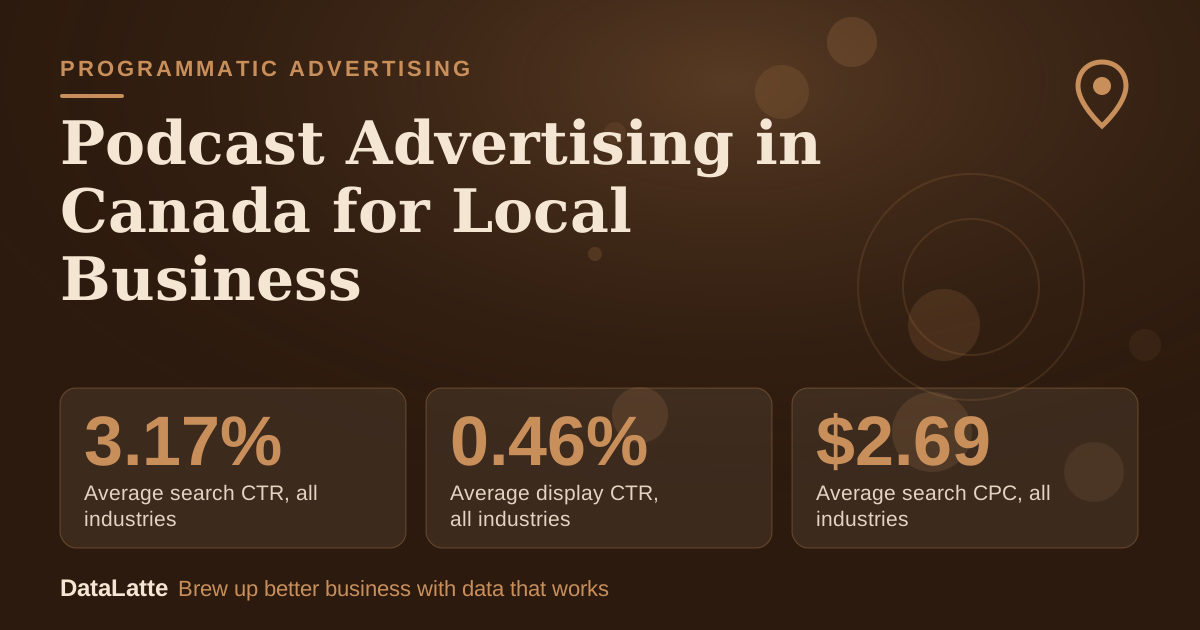
Podcast advertising can work for a Canadian local business, but the sources checked for this guide do not publish podcast CPM rates, listener shares for Canada, or platform minimum budgets. Those figures are left out rather than estimated. What the sources do support is a measurement approach: run a small, tracked test, then compare the result with the benchmarks published for other paid channels. The four figures below are the closest sourced comparison points.
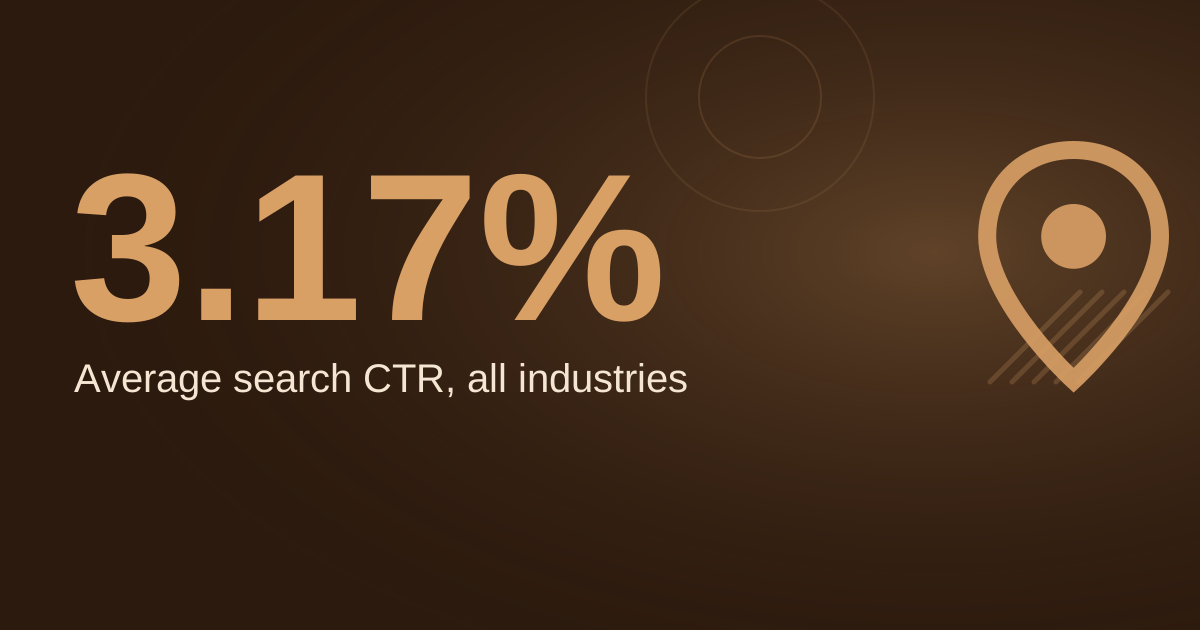
3.17%↑
Average search CTR, all industries
WordStream Google Ads benchmarks (secondary)
0.46%→
Average display CTR, all industries
WordStream Google Ads benchmarks (secondary)
$2.69↑
Average search CPC, all industries
WordStream Google Ads benchmarks (secondary)
$0.63→
Average display CPC, all industries
WordStream Google Ads benchmarks (secondary)
See Sources at the end of the article. Cards marked Assumption are examples, not results.
Why Can't These Benchmarks Predict Podcast Results?
Those averages measure clicks on search and display ads. A podcast spot does not produce a click in the same way, so a search CTR cannot forecast a podcast response. The benchmark is useful only as a reference for what a paid channel typically returns when someone acts on an ad.
The WordStream page is a vendor summary of its own client data, so it is secondary. It states that the all-industry averages are higher than in an earlier period, and that average search CPC has risen very little. Treat these figures as a reference point, not a forecast, and check the page's publication date before quoting it.
What Does Google Display Tell Us About Reach?
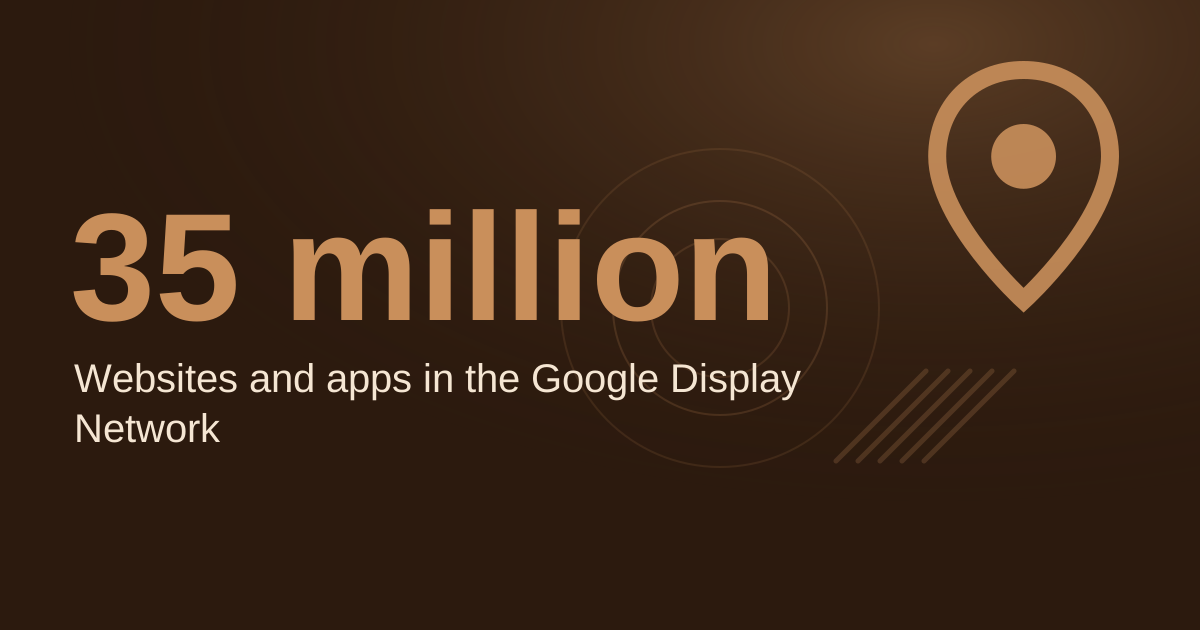
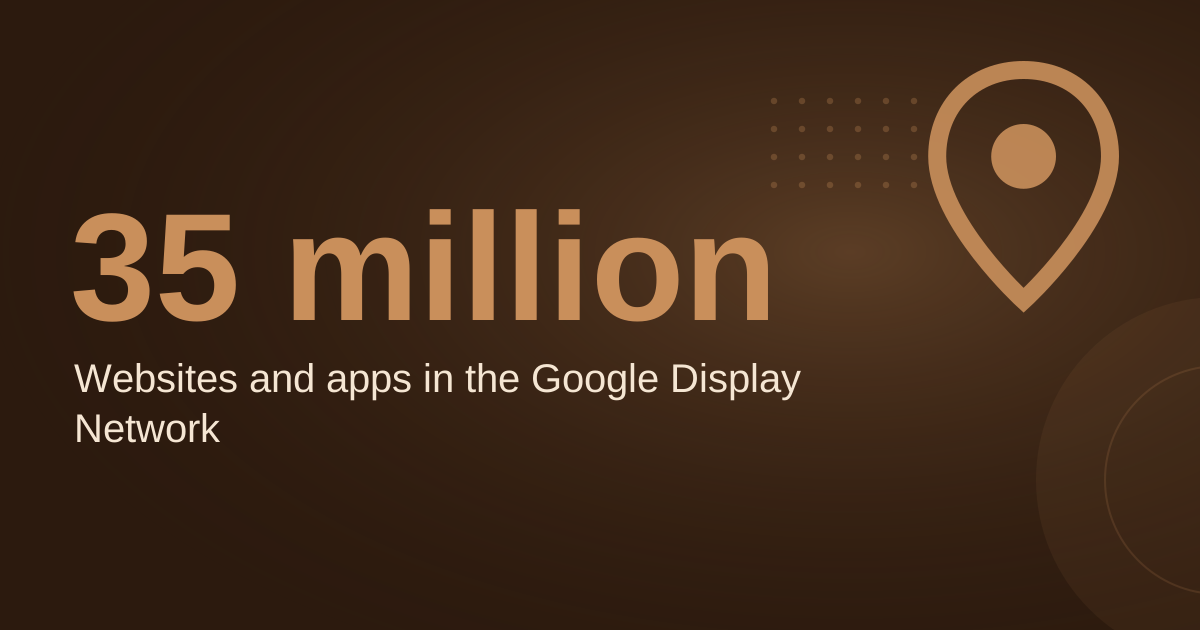
Google's own help page describes the Display Network as reaching people across 35 million websites and apps, plus Google-owned properties such as YouTube and Gmail. That is a primary source, and it shows how broad an automated network can be. Broad reach is not the same as local reach, which is the constraint for a single-city business.
For a neighbourhood business, the question is whether the audience lives close enough to visit. A local show or a local audio placement often answers that better than a wide network. The Canada marketing guide for 2026 covers how to weigh national reach against local reach across channels.
Where Can a Small Business Buy Audio Ads?
Most audio buying falls into two routes: a self-serve platform, or a direct sponsorship with a show. Self-serve tools can be bought without a sales call, but their budget floors and targeting options should be checked in the account before planning. Direct sponsorship is priced by the host, so the rate card and listener data have to come from the show.
A test needs one offer, one creative and a fixed run length. Change nothing during the run, record redemptions each week, and decide in advance what result counts as a keep. Without a tracked code or a dedicated phone number, the test has no measurable outcome.
The worked example below uses assumptions throughout. None of its inputs come from the sources.
Input or result
Value
Test budget (assumption)
$500
Run length (assumption)
4 weeks
Offer and code (assumption)
First-visit discount, code PODCAST
Code redemptions (assumption)
10
Cost per redemption
$50 ($500 divided by 10)
Average first-visit margin (assumption)
$80
Decision rule (assumption)
Keep if cost per redemption is below the first-visit margin
In this example the test passes, because $50 is below $80. If the real margin is lower, the same spend fails. The rule is set before the test begins so the result cannot be rationalised afterwards. A business that runs several tests should record each rule in the same sheet as the results, so every decision can be traced later.
What Should the Ad Say?
Keep the copy specific: the business name, the neighbourhood, one offer and one way to respond. A host reading the copy often sounds more natural than a produced spot, but that depends on the show, so ask the host before committing. If the audience speaks French, test French-language copy on a French-language show rather than translating a single spot.
Local listeners respond to details they recognise. Name a street, a landmark or a service area. A generic national claim gives the listener no reason to act and gives the test no signal.
Is Audio Worth Testing Alongside Search?
Audio is best treated as one channel in a mix, not a replacement for search or social. Run it against a control: keep the search budget steady during the audio test so any change in redemptions can be attributed to the audio spend rather than to a search change. Without that control, a rise in codes could come from either channel.
The sources checked do not publish podcast CPM rates or platform minimums for Canada. Get a rate card from each show and check the self-serve budget floor inside the ad account before planning.
How many Canadians listen to podcasts?
The sources checked do not include a Canadian listener share, so this guide gives no figure. Ask the show for its download data and audience location before buying.
Can I target one city with audio ads?
Targeting options vary by platform and should be confirmed in the account. A local show often reaches a city more reliably than a national network, because its listeners already live nearby.
How do I measure a podcast ad?
Use a unique code, a vanity URL or a dedicated phone number that appears only in that ad. Record redemptions weekly and compare them with a cost-per-redemption target set before the test starts.
How does podcast advertising compare with Google Ads?
The benchmarks are not directly comparable, because search ads produce clicks and podcast ads usually produce delayed or offline responses. Use the Google figures only as a reference for paid-channel performance.
Local marketing strategist with 10+ years at global agencies — OMD, Dentsu, GroupM, and BBDO. Now helping small businesses get the same data-driven edge. Based in Europe, working with clients in the US, UK, Australia, and beyond.