The Super Bowl is the single largest advertising event in the United States. Super Bowl LX (2026) drew over 113 million viewers — the largest US television audience of any single broadcast. A national 30-second spot costs $8 million or more, making it the most expensive advertising real estate in the world.
For small businesses, that number ends the conversation before it starts. But here's what most local business owners don't realise: you can reach Super Bowl viewers — during the game — for a fraction of that cost.
Not with a national broadcast spot. But through CTV targeting, local broadcast buys, social media real-time activation, and programmatic adjacency strategies, local businesses can participate meaningfully in the Super Bowl's massive cultural moment.
Why the Super Bowl Matters Even for Local Businesses
The Super Bowl isn't just a football game — it's a cultural event that creates a rare moment of shared national attention. People plan around it. They host parties. They watch the ads as deliberately as the game. The halftime show generates its own trending conversation.
For local businesses, this creates several distinct opportunities:
Shared viewing occasions drive group spending decisions — restaurants, catering, bars, and food businesses see Super Bowl Sunday as their second-highest sales day of the year after Thanksgiving.
Post-game momentum — Super Bowl ad discussions dominate social media for 24–48 hours, creating a window where advertising-adjacent content gets amplified organic reach.
Local sports audience captivity — the game's audience is genuinely engaged for 4+ hours. Reaching that audience locally, even through digital channels, is high-value.
113M↑
Super Bowl LX viewers
US viewers in 2026
4+ hrs→
Super Bowl LX viewers
Average viewing session length
$8M↑
Super Bowl LX viewers
Cost of 30-sec national spot
#2↑
Super Bowl LX viewers
Super Bowl Sunday as restaurant sales day
Estimates for illustration; actual numbers vary.
Strategy 1: Local Broadcast TV Buy (Most Direct)
Every Super Bowl is broadcast on a national network (Fox, CBS, NBC, ABC — rotating). Each of those networks has local affiliates in every US market. Those local affiliates sell their own commercial slots during the game at prices dramatically lower than national rates.
How it works: The network sells national spots. But local affiliates have a portion of inventory they sell locally — typically 2–4 minutes per hour of their own spots within the broadcast window.
Cost: A 30-second local spot during the Super Bowl typically runs $3,000–$25,000 depending on market size. A local spot in Austin costs far less than one in Chicago. This is still significant for a small business — but it's Super Bowl-adjacent reach at a fraction of the national cost.
How to buy: Call your local CBS, Fox, or NBC affiliate sales team 6–8 weeks before the Super Bowl. These spots sell out, so early planning is essential.
Best for: Businesses with strong local brand recognition that want maximum TV impact on the single biggest TV night of the year. Home service companies, car dealerships, restaurants, and local retailers have traditionally used this approach.
Strategy 2: CTV Targeting During the Game
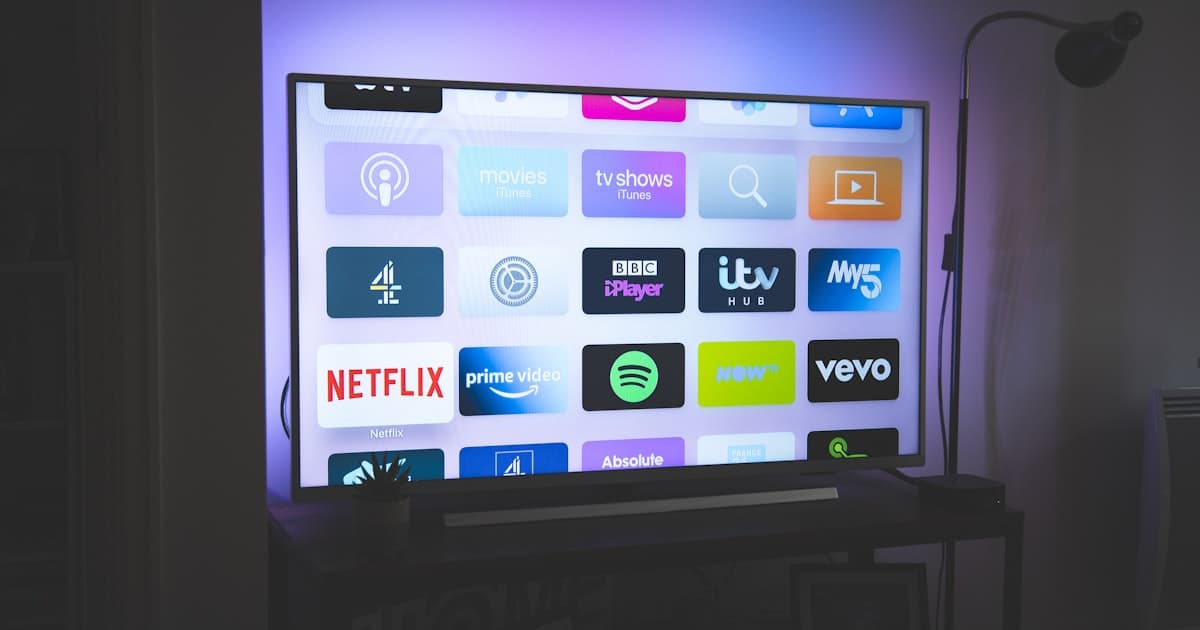
Streaming viewership of the Super Bowl has grown dramatically. Most major networks now stream the Super Bowl simultaneously with broadcast — and that streaming is CTV inventory.
NBC's 2026 Super Bowl stream, Peacock's streaming simulcast, and the growing prevalence of smart TV viewing means a meaningful portion of those 113 million viewers are watching via CTV. That CTV inventory can be bought programmatically.
Through programmatic DSPs (The Trade Desk, DV360): Bid for streaming adjacency during Super Bowl viewing hours. While the in-game inventory is largely reserved for premium buyers, pre-game, halftime, and post-game streaming inventory is more accessible.
Through Peacock directly: Peacock has carried Super Bowl games. Its managed service allows sponsorship of streaming games. Lower minimums than the broadcast equivalent, but still $50,000+ for premium in-game placement.
Cost-effective approach: Rather than trying to buy in-game CTV, buy heavy CTV targeting in the 4-hour window of Super Bowl Sunday evening in your local DMA. People switching between the game and streaming apps, second-screen activity, and post-game streaming all create impressions during a high-value attention window.
Pro Tip
The most cost-effective CTV Super Bowl strategy for local businesses: run a targeted CTV campaign in your DMA from 5pm to 11pm on Super Bowl Sunday. CPMs spike during the game itself, but the surrounding window captures the same engaged audience at lower costs. Budget $1,000–3,000 for a meaningful local presence during this 6-hour window.
Strategy 3: Social Media Real-Time Activation
When Oreo won the 2013 Super Bowl by tweeting "You can dunk in the dark" during the blackout — in real time, at zero production cost — it permanently changed how brands think about Super Bowl social strategy.
For local businesses, social media during the Super Bowl is genuinely accessible:
Pre-game content: Create Super Bowl-themed content relevant to your business. A coffee shop posts their "fuel up for the game" breakfast special. A pizza restaurant promotes their party catering menu. A fitness studio posts a "burn the Super Bowl wings" challenge.
During-game engagement: Monitor trending hashtags and join relevant conversations. Comment on big ad moments, halftime performances, or game plays. Local businesses that engage authentically with the cultural conversation get organic reach they'd never achieve on a normal Sunday.
Post-game content: Recap content, reaction posts, and next-day momentum from the game discussion — a 24-48 hour window where sports content is organically amplified.
Budget: $0–500 for boosted posts reaching local audiences during game window. The organic amplification of well-timed content can deliver significant reach at minimal cost.
Strategy 4: Programmatic DOOH During Game Day
Digital out-of-home advertising around game day creates a physical presence in your city's advertising landscape:
Sports bars and venue screens: Many programmatic DOOH networks include screens inside sports bars and restaurants. A local sports nutrition brand or beverage company can advertise on screens inside the venues where the game is being watched.
Retail and transit placements: Grocery store DOOH during the pre-game shopping rush (wings, chips, beverages) reaches people in active purchase mode for game day supplies.
Gas station screens: C-store and gas station screen networks see elevated traffic before big games as people make last-minute supply runs.
Through platforms like Vistar Media or Place Exchange, you can execute a targeted DOOH campaign on Super Bowl Sunday for $500–2,000 across relevant screen types in your local market.
Strategy 5: Google and Meta Targeting During the Game
The Super Bowl creates a real-time intent signal that digital platforms can see:
Google Trends spikes: Searches for halftime performer names, advertised brands, and game-related queries surge during the Super Bowl. Bidding on trending terms during the game (within your category) can capture high-intent traffic.
Meta's "Game Day" audience: Meta allows targeting around sports interests and events. Running a local awareness campaign during Super Bowl hours captures the massive concurrent audience on their phones (second-screen behaviour is ubiquitous during live sports).
YouTube pre-roll on sports content: Pre-game YouTube content, sports recap channels, and halftime show content all see massive viewership around the Super Bowl. Placing pre-roll ads on sports-adjacent content in your local DMA during this window is cost-effective.
Super Bowl Sunday Advertising Options for Local Business
Local broadcast TV spotBest
% impact score90
CTV programmatic (game window)
% impact score70
Social media activation
% impact score45
Programmatic DOOH
% impact score55
Google/Meta digital
% impact score60
Sports bar screen network
% impact score50
Estimated brand impact score — not reach or cost efficiency, purely impression quality
Planning Your Super Bowl Strategy: Timeline
August–September: Decide whether you're buying local broadcast. Contact your local network affiliate. Super Bowl local spots start selling 4–6 months out in larger markets.
November–December: Finalize creative for any broadcast or CTV buy. CTV campaigns need video assets (15 or 30 seconds). DOOH campaigns need static images.
2 weeks before: Set up digital campaigns (Google, Meta, programmatic DOOH) targeting Super Bowl Sunday.
Game week: Begin social content calendar. Pre-schedule posts, but leave flexibility for real-time reactions during the game.
Super Bowl Sunday: Activate all planned channels. Have someone available to manage real-time social engagement.
Day after: Post-game content while conversation continues. Analyse results across all channels.
NFL and Super Bowl trademarks are aggressively protected. You cannot use "Super Bowl," the Lombardi Trophy image, team logos, or official NFL imagery in your advertising without a licence. Use descriptive language instead: "the Big Game," "Championship Sunday," "game day." Many small businesses have received cease-and-desist letters for improper NFL trademark use.
Which Local Businesses Should Activate Around the Super Bowl
High priority:
Restaurants and food delivery (game day is a massive sales occasion)
Bars and sports venues
Catering companies
Home improvement/furniture (people entertain at home; TV purchases spike)
Fitness studios (January/February is peak gym signup season; capitalise on "New Year + Big Game" energy)
Medium priority:
Grocery and specialty food retailers
Beverage brands (craft beer, specialty drinks)
Entertainment and experience businesses
Lower priority:
Appointment-based services that don't benefit from game-day impulse
B2B businesses
Luxury high-consideration purchases
Frequently Asked Questions
Q: Is $500 really enough to run a CTV campaign during the Super Bowl?
Yes, if you set a hard budget cap and use frequency capping. I’ve run successful CTV campaigns for $300–$500. The key is to target a small geographic radius (3–10 miles) and keep your ad short (15 seconds). You won’t get millions of impressions, but you don’t need millions — you need the 50–100 people who will actually walk into your business. Platforms like MNTN and Simpli.fi let you start with as little as $250.
Q: Won’t my ad get lost in all the noise during the game?
Only if you’re trying to compete with the big brand spots. That’s a losing strategy for a local business. Instead, focus on the pre-game, halftime, and post-game windows. The noise is lower, and people are already in a purchasing mindset — ordering food, planning parties, booking services for Monday. Also, CTV ads run in the ad breaks of the streaming feeds. Not everyone watching the Super Bowl is on broadcast TV — over 20 million streamed it in 2025. Those streamers see fewer ads per break because the inventory is more fragmented.
Q: Should I use the same creative on TV, social media, and Google Ads?
No. Each channel requires a different creative format and a different message. On TV/CTV, you have 15–30 seconds to build a quick emotional hook and a clear call to action. On social, you need a visual that stops the scroll in under two seconds — a bold offer, a local landmark, a recognizable face. On Google Ads, you need search-intent-driven text that matches exactly what the person typed. Repurposing the same asset across channels is lazy and will underperform.
Q: I own a pet grooming business. Is the Super Bowl even relevant to me?
It can be, but not on game day itself. People don’t bring their pets to be groomed during the Super Bowl. The opportunity is the day after — pet owners come back from parties, see their dog’s messy coat, and think “I should book a groom.” I’ve seen pet businesses run Monday-specific offers with a Super Bowl tie-in (“Tackle that post-game shedding”) and get 20–30% more bookings than a normal Monday. Run the ads Saturday and Sunday, let people book online, and show up to a full schedule on Monday.
Q: How do I measure if this actually works? I don’t want to waste money.
Use trackable phone numbers (Google Voice, CallRail), unique landing pages, and promo codes. If you run a TV or CTV ad, use a custom URL like “yourbusiness.com/superbowl” — not your homepage. If you run social ads, use UTM parameters. If you run a print or mailer, use a QR code to a specific offer page. The data is available if you set it up beforehand. Most businesses fail to measure because they assume they’ll just “see” results. You won’t. Set up tracking, wait a week, then look at the numbers. If the cost per booking is higher than your average margin, kill it and try something else.
Q: I’m in the UK. Does any of this apply to me?
Yes. The Super Bowl has 5–8 million UK viewers annually — still a massive cultural moment, even if smaller than the US. Use the same strategies but localize keywords to UK English (“football” instead of “soccer,” but avoid confusion with actual football). CTV platforms like Amazon Ads (Fire TV) and Sky AdSmart are available in the UK. Social media events hashtags trend globally. The pre-game and post-game windows work the same way. Just adjust your geography and currency.
I’ve run enough of these campaigns to tell you that most small business owners either overthink the Super Bowl or completely ignore it. Neither approach makes money. The ones who actually see results pick exactly one channel — CTV, Google Ads, or social — execute it with specific targeting and a clear offer, and measure the hell out of it. They don’t spread themselves thin across six platforms. They don’t wait until Sunday morning. They don’t hope it works — they test it.
If this still feels like a foreign language, that’s fine. I’ve spent over a decade at agencies that do this for Fortune 500 brands, and I started DataLatte specifically to help small businesses skip the expensive trial-and-error phase. You don’t need an eight-million-dollar budget. You need one channel, one good offer, and someone who’s already made the mistakes so you don’t have to.
Local marketing strategist with 10+ years at global agencies — OMD, Dentsu, GroupM, and BBDO. Now helping small businesses get the same data-driven edge. Based in Europe, working with clients in the US, UK, Australia, and beyond.