To rank a hair salon in the Google map pack in San Diego, CA, start with your Google Business Profile: categories, description, photos, posts and hours. Then make your name, address and phone number match exactly across the web and build review volume steadily. The map pack is the top three business listings in local search results, according to
Adwave's local SEO audit checklist (secondary). Those listings are pulled directly from Business Profile records, per
Adwave's marketing guide for local businesses (secondary).
↑
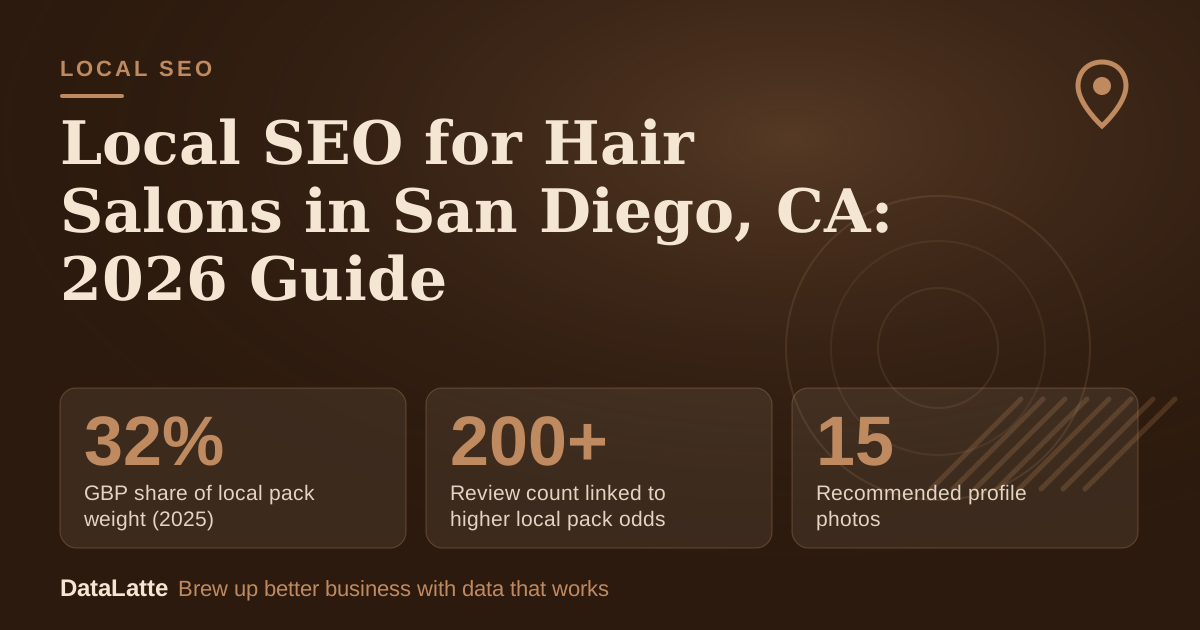
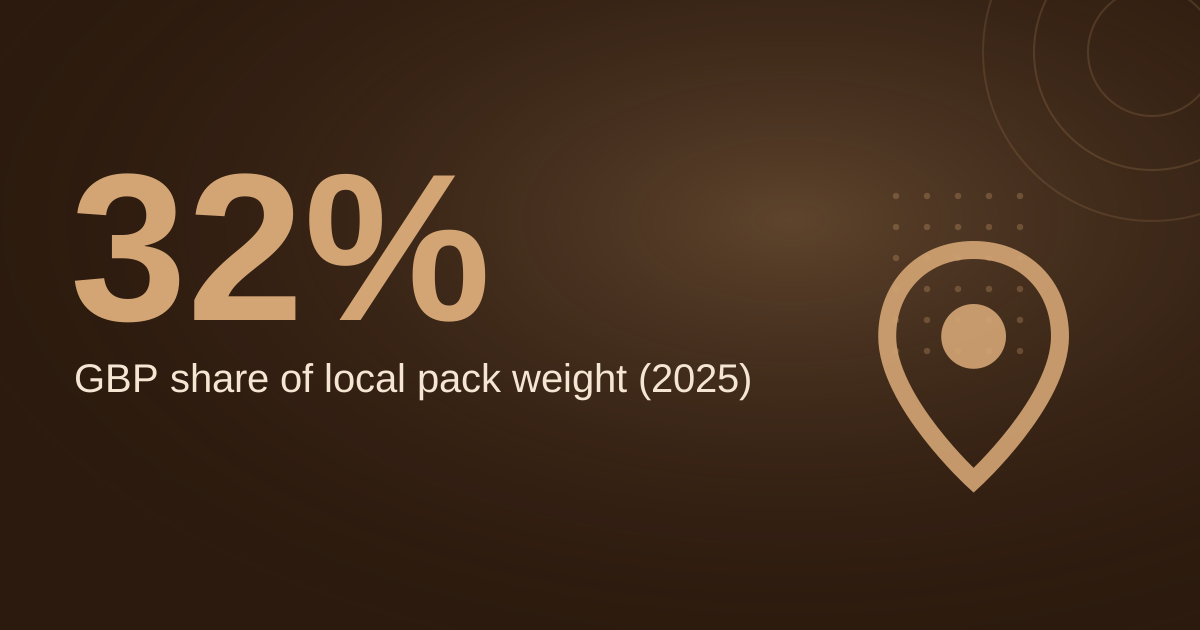
GBP share of local pack weight (2025)
Adwave benchmark, reported (secondary)
↑
Review count linked to higher local pack odds
Blogging Wizard analysis of 2M pages (secondary)
→
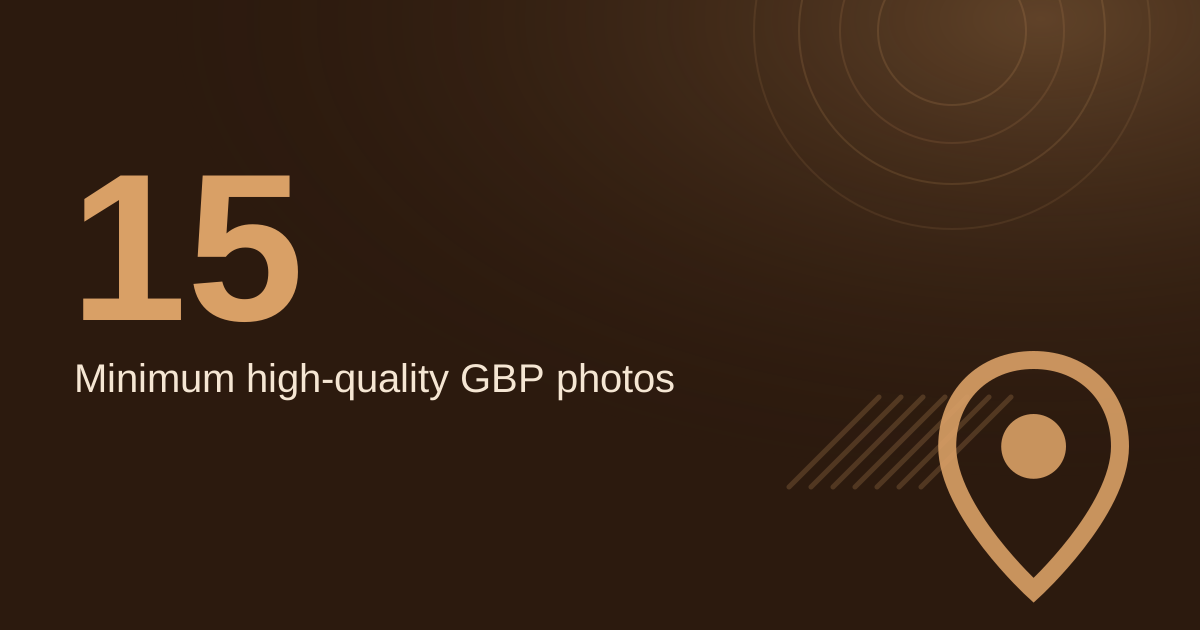
Recommended profile photos
Adwave recommendation (secondary)
→
Characters in business description
Limit stated by Adwave (secondary)
See Sources at the end of the article. Cards marked Assumption are examples, not results.
How does a San Diego hair salon get into the Google map pack?
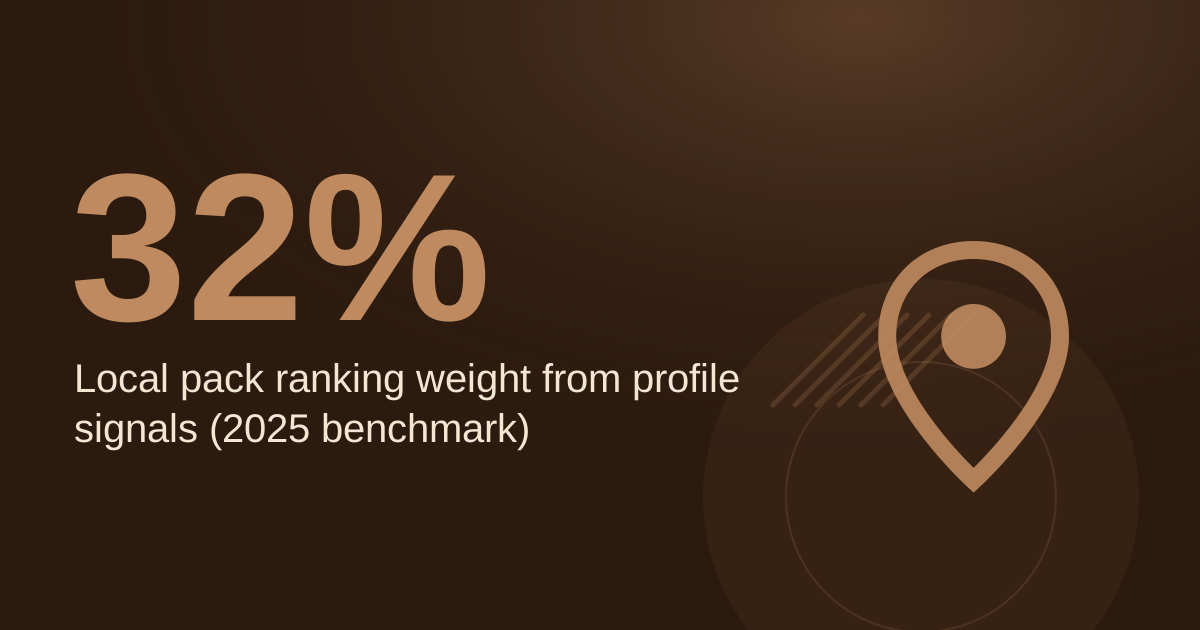
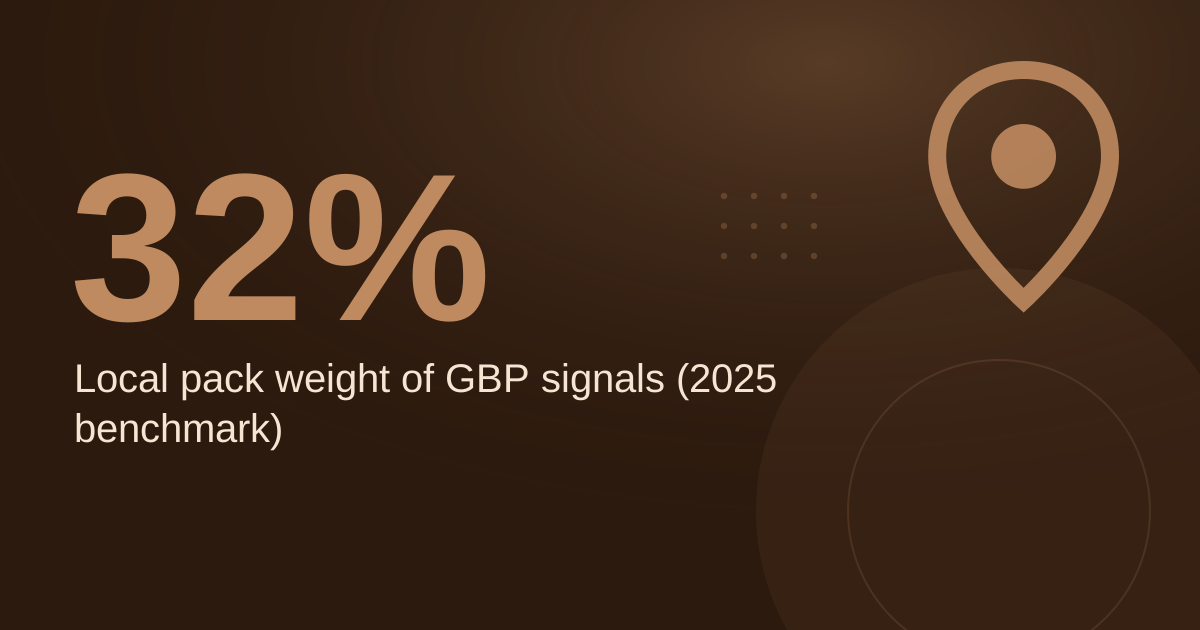
The map pack draws on your Business Profile more than on anything else you publish. One Adwave article states that the primary category is the number one ranking factor for getting into the Local Pack, citing analysis of millions of profiles without naming its source (secondary). The same vendor reports that Business Profile signals represented 32% of local pack ranking weight in 2025, based on a benchmark it cites (secondary). Treat both as vendor figures, not Google disclosures.
Setting up the profile costs nothing. Google describes its Business Profile as
free to set up on Google Search and Maps. A new profile may also start ranking for its own business name a few weeks after verification, according to a vendor estimate (secondary).
Competition in San Diego is local, so the practical goal is to beat the three to five salons already showing in your neighborhood. Search your core service the way a client would, note which listings appear, and compare their categories, photos and review counts against yours.
Which Google Business Profile settings should a salon fill in first?
Start with the primary category. Adwave recommends reviewing the top three to five businesses in local Google Maps results for a service search to see which category they use (secondary). Choose the primary category that matches your main service, then add secondary categories only for services you actually offer.
Next, write the business description. Adwave notes that a Business Profile description allows 750 characters (secondary). Lead with your service and neighborhood, as in "Hair salon in North Park, San Diego, specializing in balayage and color correction." Keep it readable; the description is for clients first.
Accuracy comes next. The same vendor advises making your hours, phone number and address 100% accurate (secondary). Upload photos: Adwave recommends at least 15, while another vendor page recommends 10, so aim for at least 15 and refresh them regularly. Post at least once a week (secondary). A post is public only when its status is Live. Pending and Not approved posts do not show on Search or Maps (
Google Business Profile Help).
If your stylists travel to clients, hide your street address and set a service area. Adwave says a business that works from home or serves customers at their location can hide its address and is then designated a Service Area Business (secondary). A fixed salon chair does not qualify for this setting. Google also says AI-driven answers draw on profile data, website content and reviews, according to a transition summary cited by Adwave (secondary). For more on that link, read
AI for Google Business Profile optimization.
How many reviews does a San Diego salon need to compete?
Reviews matter for two reasons. Google states that reviews show next to your Business Profile in Maps and Search (
Google Business Profile Help). Second, a third-party analysis of two million Business Profile pages found that businesses with over 200 Google reviews are significantly more likely to appear in the local pack (secondary).
The 200-review figure is a correlation from one analysis, not a rule. For a realistic benchmark across categories and cities, compare your count with competitors in your area. The
Denver hair salon review benchmarks show how review counts vary by market, which can help you set a target.
Ask for reviews after appointments, not weeks later, and name the service in the request so clients have a reason to mention it. No sourced guidance sets a timing rule, so choose a schedule you can keep and track the count each month.
Which keywords and service pages should a salon target?
Your profile and website should describe the services clients search for. Build a dedicated page for each major service, such as balayage, keratin treatment or men's cuts, and add your neighborhood where it fits naturally. Neighborhood names give search engines local context, but do not stuff them into every line.
Paid search can test which terms convert before you commit to content. The
Google Ads guide for hair salons covers campaign setup, and the
best keywords for hair salons in 2026 list terms worth testing.
Booking also affects conversions. Booksy states that Reserve with Google lets clients book directly from Search and Maps in under 30 seconds (secondary). Check Google's current eligibility rules before you rely on that feature, since they change.
Do citations and name, address and phone details need to match?
Yes. Adwave states that the business name, address and phone number must be exactly the same on your website, your Business Profile and major directories such as Yelp, Apple Maps and Bing Places (secondary). The same vendor warns about small differences such as "St." versus "Street" or punctuation (secondary). Fix mismatches in existing listings before you add new ones.
Apple Business Connect is worth a check. It reports Profile Views, which counts how many people saw your business card in Apple Maps (secondary,
Adwave). Any website that embeds your map should also reflect the same details. The
Google Maps embed guide explains that step.
If you run Google Ads with location extensions, Google states that location asset data comes directly from Google Maps and Business Profile, so corrections made there flow into linked accounts (
Google Ads Help).
What does a worked ROI example look like for a salon?
The example below uses assumptions, not sourced data. Replace each input with your own numbers from your booking system and Business Profile Insights.
Inputs (all assumptions):
- Profile actions per month that lead to a booking request: 30
- Share of those requests that become booked appointments: 35%
- Average ticket per booked client: $90
- Staff time spent on profile upkeep per month: 4 hours at $30 per hour
Calculation:
- Booked appointments: 30 × 35% = 10.5 per month
- Monthly revenue from profile-driven bookings: 10.5 × $90 = $945
- Staff time cost: 4 × $30 = $120
- Net monthly contribution: $945 − $120 = $825
- Annual contribution: $825 × 12 = $9,900
The profile itself has no license fee, so the cost is staff time. If your actual inputs are lower, the same method shows whether extra photos, posts or review requests are worth the hours.
Which metrics show whether the map pack work is paying off?
Adwave lists six local search metrics worth tracking: Business Profile impressions, map-pack views, clicks to call, direction requests, website visits from the profile, and branded search lift over time (secondary). Record them monthly so you can compare changes against your own baseline.
Track your ranking for your top service searches too. Check the map pack in a private browser window from a set location, on the same days each week, and log the position of your listing. This method is a manual check, not a platform report, so keep the conditions the same each time.
FAQ
Is a Google Business Profile free for a hair salon?
Yes. Google describes its Business Profile as free to set up on Google Search and Maps (
Google Business Profile, CA). Your costs are staff time for photos, posts and review requests.
How long before a new profile ranks for its own name?
A vendor estimate says a business may start ranking for its own name in the map pack a few weeks after verification (secondary). Treat that as a rough guide, since timing varies.
Do Google Business Profile posts appear right away?
Not always. Google reviews each post, and a post shows publicly on Search and Maps only when its status is Live. Pending and Not approved posts do not show (
Google Business Profile Help).
Can a salon hide its street address on Google?
Only if it qualifies as a Service Area Business, such as a mobile stylist who serves clients at their location. Adwave says a business that works from home or serves customers at their location can hide its street address (secondary). A salon with a fixed chair location generally keeps its address visible.
Sources
Next step: check your listing against this list with a
free audit, or see how DataLatte runs
local SEO services for salons.
Free for local businesses
Want this applied to your business?
I'll review your Google presence, local SEO, and ad accounts — and send you a specific action plan within 48 hours. No pitch, no pressure.