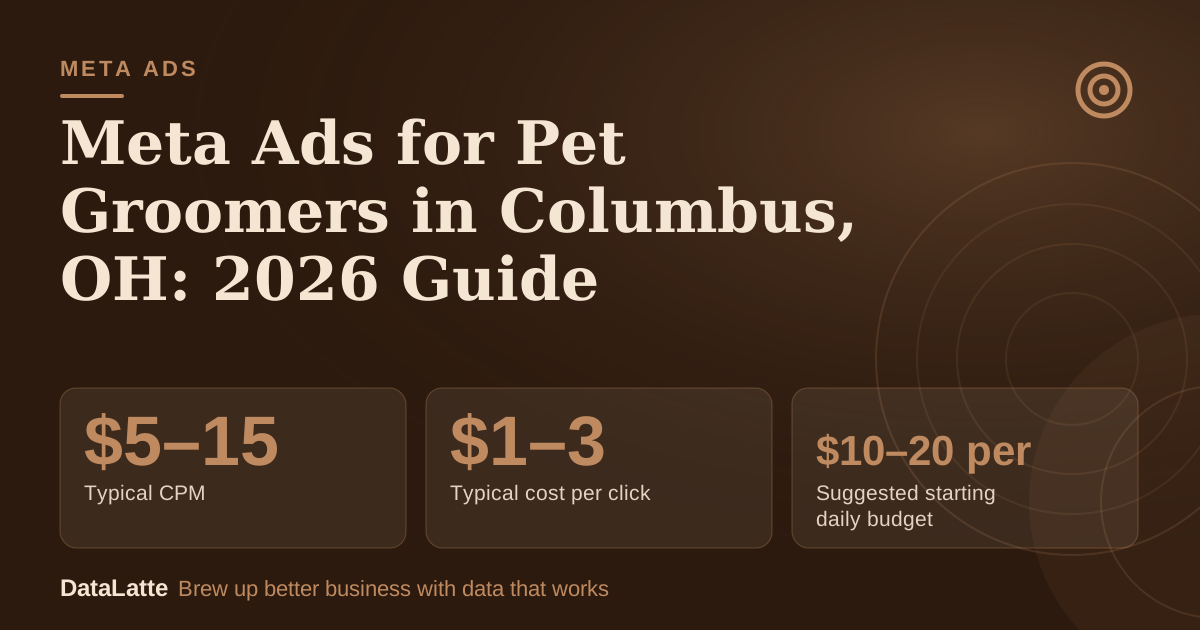
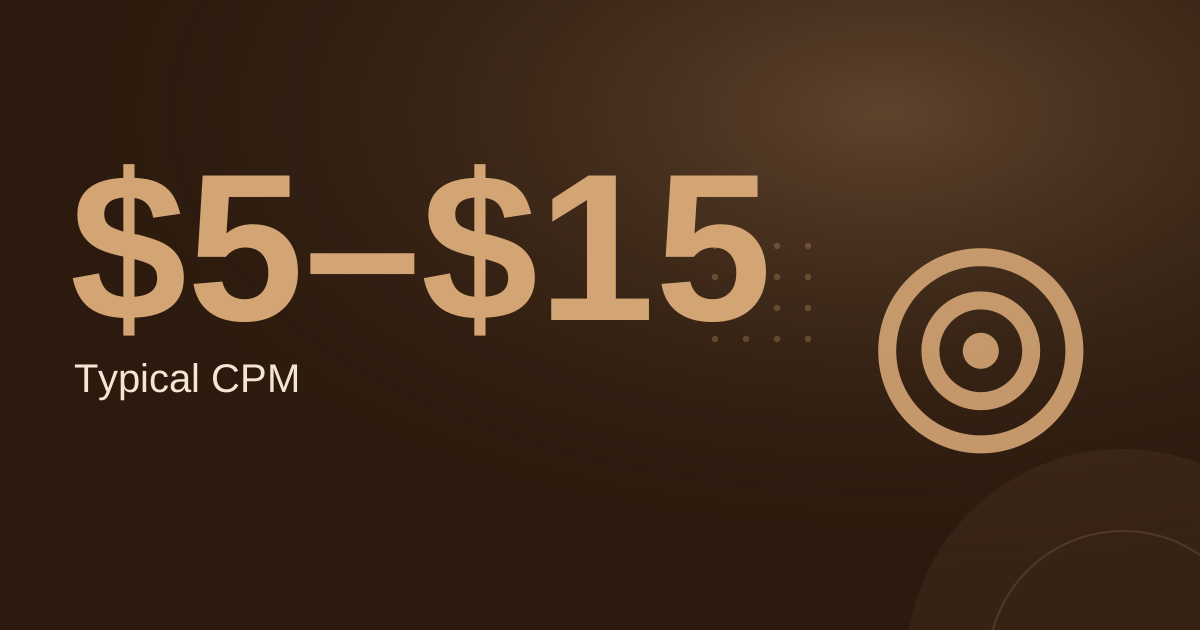
Meta Ads run on Facebook and Instagram from one system, Meta Ads Manager. For a pet groomer in Columbus, OH, the planning numbers to start with are a typical CPM of $5–15 per thousand impressions and a cost per click of $1–3, according to
AdWave's Meta ad benchmarks. A starting budget of $10–20 per day is suggested by
Barklead's Facebook Ads guide for groomers. Published rates specific to Columbus were not found, so check the delivery estimates in Ads Manager for your own radius before you commit money.
→
Typical CPM
AdWave, per 1,000 impressions
→
Typical cost per click
AdWave, per click
→
Suggested starting daily budget
Barklead, groomer starting point
→
Facebook active users
Barklead, cited user count
See Sources at the end of the article. Cards marked Assumption are examples, not results.
Do Facebook and Instagram ads need separate campaigns?
No. Instagram ads run through the same system as Facebook ads.
AdWave explains that this is because Instagram is owned by Meta, and one campaign can run on Instagram, Facebook, or both. The
Meta Ads Manager is the central place to run ads across both apps.
Placement settings still matter.
Turrboo's guide to paid social notes that Meta Ads Manager covers Facebook, Instagram, and Messenger. For a local service, start with Instagram and Facebook placements and review the results by placement after the first few weeks.
Bons and Frazer add that Meta's platform also runs on the Audience Network, which is a separate placement you can exclude if it does not bring bookings.
If you want more detail on how the two Meta apps compare for small businesses, read
Instagram ads vs Facebook ads before you split your budget.
Published budgets vary by business type, so use them as reference points rather than targets.
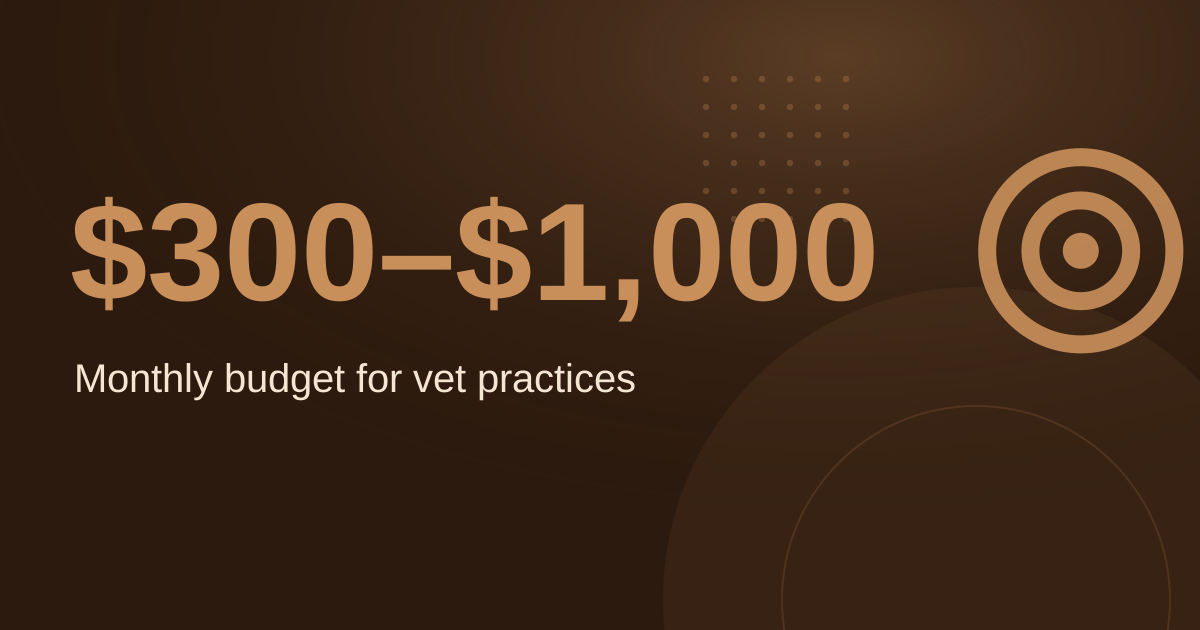
AdWave's veterinary guide says most veterinary practices can run effective Meta campaigns for $300 to $1,000 per month.
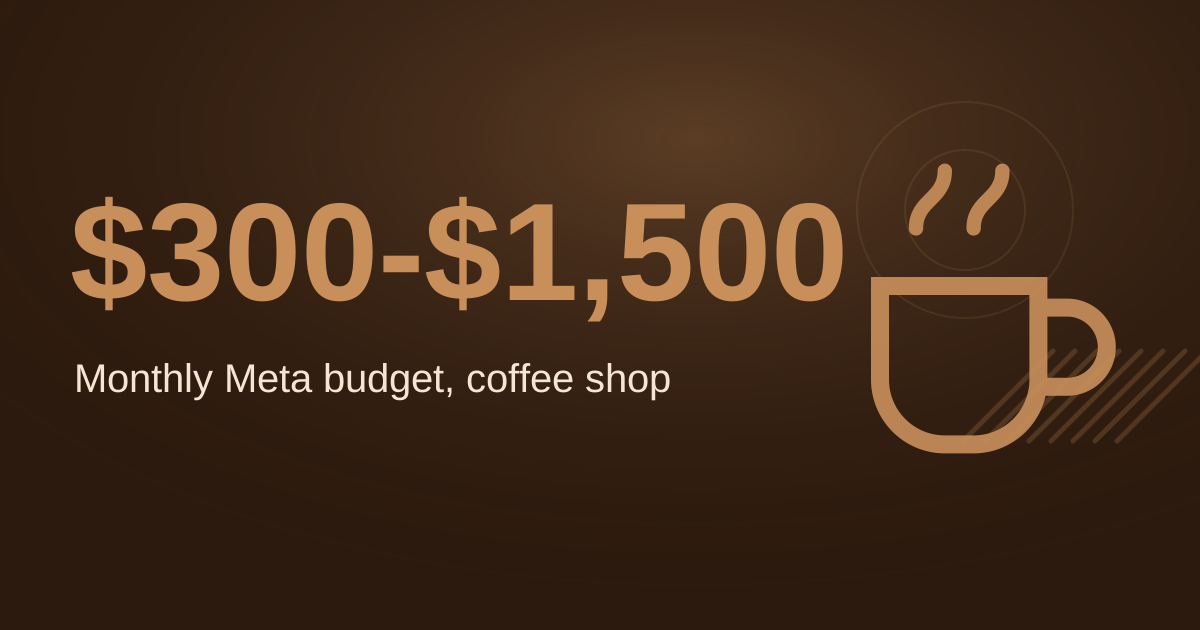
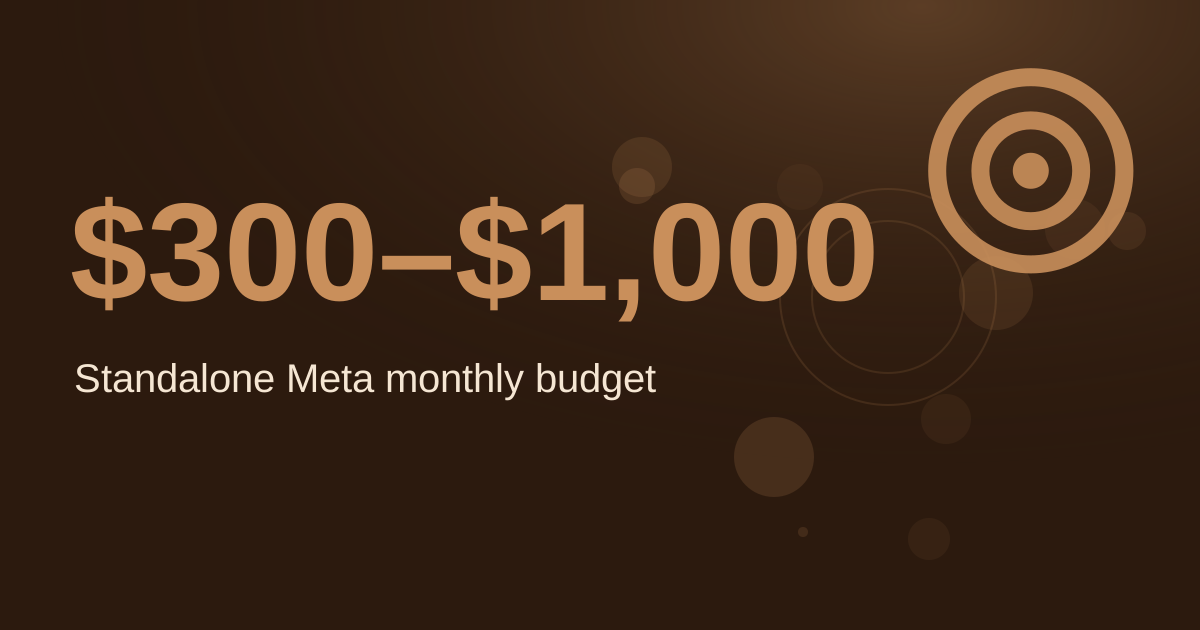
AdWave's channel selection page puts a standalone Meta buy at often $300–$1,000 per month. A brand-building plan for restaurants is listed at $300–$1,500+ per month in
AdWave's restaurant guide.
A grooming business is closer to the veterinary range than to a full-scale brand campaign. A test budget of $300–$600 per month lets you compare two or three ad sets without spreading the money too thin. Increase spend only after one ad set produces bookings at a cost you can accept.
How far does a $600 monthly budget go?
The table below uses sourced CPM and CPC ranges, plus three inputs marked as assumptions. Replace the assumptions with your own numbers after your first month.
| Step | Low case | High case | Source or label |
|---|
| Monthly budget | $600 | $600 | Assumption (test budget) |
| CPM | $15 | $5 | AdWave range |
| Impressions | 40,000 | 120,000 | Budget divided by CPM, times 1,000 |
| Cost per click | $3 | $1 | AdWave range |
| Clicks | 200 | 600 | Budget divided by CPC |
| Click-to-booking rate | 5% | 5% | Assumption |
| Bookings | 10 | 30 | Clicks times rate |
| Average ticket | $65 | $65 | Assumption (one groom) |
| Booking revenue | $650 | $1,950 | Bookings times ticket |
At a $600 budget, the assumed bookings would return roughly $650 to $1,950 in first-visit revenue. That is a return of about 1.1x to 3.3x on ad spend in the assumed case, which is thin if the client does not return. The real return depends on repeat visits, so track how many first-time clients book a second groom.
Video gets more interaction than still images.
AdWave cites Meta's 2025 Creative Best Practices report as saying short-form video generates 2.5 times more engagement than static images on Facebook and Instagram. For a groomer, that usually means short clips filmed in your salon or mobile van, showing a dog before and after the groom.
Keep the first three seconds clear. Show the dog and the result, then add one line of text with your city and the booking action. Still images can work as a second test, but treat them as a control rather than the main format.
If you want to see how Reels fit into a service-business plan, the
fitness studio Instagram Reels guide covers the same format logic for appointment-based businesses.
Who should you target around Columbus?
Barklead's groomer guide suggests targeting users within a 10–15 mile radius of the groomer's location and pet owners aged 25–60 who are likely to have disposable income. Those are the most specific targeting ranges in the sources, so start there and narrow only if the data shows a clear reason.
Set the radius around your actual Columbus address, not the whole metro area. A mobile groomer should draw the radius around its service zone. Once you have past clients, use them as a custom audience.
AdWave lists a typical Meta retargeting CPM of $5–15, which is in the same range as cold traffic, so retargeting is an efficient use of spend for repeat-visit services.
For a Columbus-specific view of search demand, see
Google Ads for pet groomers in Columbus. Meta and search often reach different people at different stages.
What offer should the ad make?
A first-visit discount is the offer most often used in groomer campaigns.
Barklead's sample ad copy offers 10% off a customer's first grooming session, with a call to book today. Use a concrete offer with an end date, and make sure the booking page shows the same price.
Write the ad for the owner, not the dog. Name the breed or coat type in the body text, then state the service and the offer in one sentence. Test two offers, such as a discount and a free bath add-on, rather than changing the creative every week.
How do you track whether ads bring bookings?
Set up tracking before you spend. Install the Meta Pixel on your booking confirmation page and your contact form, and set a Lead event for form submissions. Add UTM parameters to each ad link so your analytics tool can separate Meta visits from other traffic. Meta's own help pages explain how to verify the Pixel is firing, and those steps change over time, so check the live help center when you set up.
Compare cost per booking, not likes or reach. If a $600 budget produces five bookings in a month, that is a $120 cost per booking, and you can compare that figure with the assumed ticket value in the table above.
Meta offers free training that you can finish before you launch.
A guide to digital marketing skills notes that Meta Blueprint covers Facebook and Instagram advertising at no cost and includes certification on completion. Spend a few hours on the basics of audiences, placements, and budgets before you increase spend.
Pair the training with a simple test plan. Run one campaign for four weeks, change one variable at a time, and write down the result. That habit matters more than any single benchmark in this article.
FAQ
Published benchmarks suggest a CPM of $5–15 and a cost per click of $1–3. Barklead recommends starting at $10–20 per day. A test budget of $300–600 per month is enough to compare two or three ad sets.
Should a groomer run ads on Facebook or Instagram?
Both run from the same Meta Ads Manager, and one campaign can serve both. Start with Instagram and Facebook placements, then compare results by placement after several weeks. Exclude placements that do not bring bookings.
Do short videos work better than photos for groomers?
AdWave cites Meta's 2025 report saying short-form video generates 2.5 times more engagement than static images. Test video first, and keep a photo ad as a control.
Yes. Past clients can be used as a custom audience for retargeting. AdWave lists a typical retargeting CPM of $5–15, so repeat-visit services can use retargeting as a steady part of the plan.
Public sources reviewed here did not publish Columbus-specific rates. Use the audience size and delivery estimates in Meta Ads Manager for your exact radius, and check the live help pages for current guidance.
Sources
Ready to test a grooming campaign with real numbers?
Request a free audit and we will review your booking data, targeting radius, and tracking setup before you spend.
Free for local businesses
Want this applied to your business?
I'll review your Google presence, local SEO, and ad accounts — and send you a specific action plan within 48 hours. No pitch, no pressure.