CTV Advertising Raleigh NC: Local Business Guide 2026
July 6, 2026·Nataliia Rumiantsewa· 7 min read All posts
Connected TV (CTV) advertising lets a Raleigh, NC business run video ads on streaming services and target households by ZIP code. It suits brand building rather than instant clicks. A practical start is a small four-week test, with the budget, frequency cap and audience set before launch, then judged against search and profile signals over 60 to 90 days. The platform minimums and CPMs in this guide are not confirmed by the sources used here, so each platform's own ad manager should be checked before committing money.
What Is Connected TV Advertising for Raleigh Businesses?
CTV ads run inside streaming content on televisions. Unlike a social post, the viewer did not choose to follow the advertiser's account, and unlike a search ad, nobody typed a query. The ad reaches a household that is watching something it chose, which makes the format useful for becoming familiar to nearby people before they need the business.
For a Raleigh business, the main appeal is geographic control. Targeting by ZIP code keeps spend on households near the location rather than across the whole Triangle. A coffee shop in Cary and a salon in Durham are different businesses with different catchment areas, so the first decision is which neighbourhoods actually produce customers.
CTV is a brand channel. Measure it against recall and branded demand, not cost per click.
Which Platforms Should a Raleigh Business Test First?
Most streaming inventory is bought through a platform's self-serve ad manager or a demand-side platform, and the rules differ on minimum spend, creative approval and targeting options. Rather than trusting a list of names and prices from a blog, ask each platform the same four questions before buying.
Question to ask
Why it matters
What to record
Minimum campaign budget
Sets the smallest test that is possible
Amount, and whether it is per month or per flight
ZIP-code or radius targeting in your state
Determines whether spend can stay near your location
Yes or no, and the targeting levels offered
Creative specifications and review times
Affects production schedule and launch date
File format, length, and approval turnaround
Frequency cap and its default
Controls how often one household sees the ad
Default value and the maximum you can set
Write the answers into a single comparison sheet. Two or three platforms that answer all four questions clearly are a better shortlist than one platform with the largest inventory but unclear terms. For comparison with other mid-size markets, the CTV advertising in Detroit, MI guide and the CTV advertising in Phoenix, AZ guide show how similar questions are handled elsewhere.
How Should You Set ZIP Code and Frequency Targeting?
Start with ZIP codes. Pull the postcodes of the last 50 to 100 customers, or the customers who came from a directory listing, and identify where they cluster. Target those ZIP codes first and widen only if the test shows reach outside them. A radius around the address is simpler, but it can include areas where the business has never had a customer.
Frequency is the second lever. A frequency cap limits how many times one household sees the ad in a set period. Set the cap in the platform and record it, because an uncapped campaign can concentrate impressions on a small group of households and waste budget. Decide the cap before launch and keep it fixed during the test, so results can be compared.
Demographic filters are optional. Layer them in only when there is evidence about which age or household profile buys. Adding filters before customer data exists narrows reach without showing that it helps.
What Does a Raleigh CTV Test Budget Look Like?
A worked example shows how a small budget turns into reach. The inputs below are assumptions, not market data. Replace them with the figures from a platform quote.
Inputs (all assumptions):
Test budget: $500 for four weeks
Cost per thousand impressions (CPM): $25
Target frequency: 4 impressions per household over the test
Target ZIP codes: 6 neighbourhoods near the shop
Calculation:
Impressions bought: $500 divided by $25, then multiplied by 1,000, gives 20,000 impressions.
Unique households reached: 20,000 divided by 4 gives 5,000 households.
Cost per reached household: $500 divided by 5,000 gives $0.10.
If the real CPM is higher, the same budget reaches fewer households. At an assumed $40 CPM, the test buys 12,500 impressions and about 3,125 households at the same frequency. This is why the platform's quote matters more than any general average.
After the test, decide whether to extend, change ZIP codes, or change the creative. A four-week test is long enough to see whether the platform delivers to the right neighbourhoods, but short enough to limit losses if it does not.
How Do Display Benchmarks Compare to CTV?
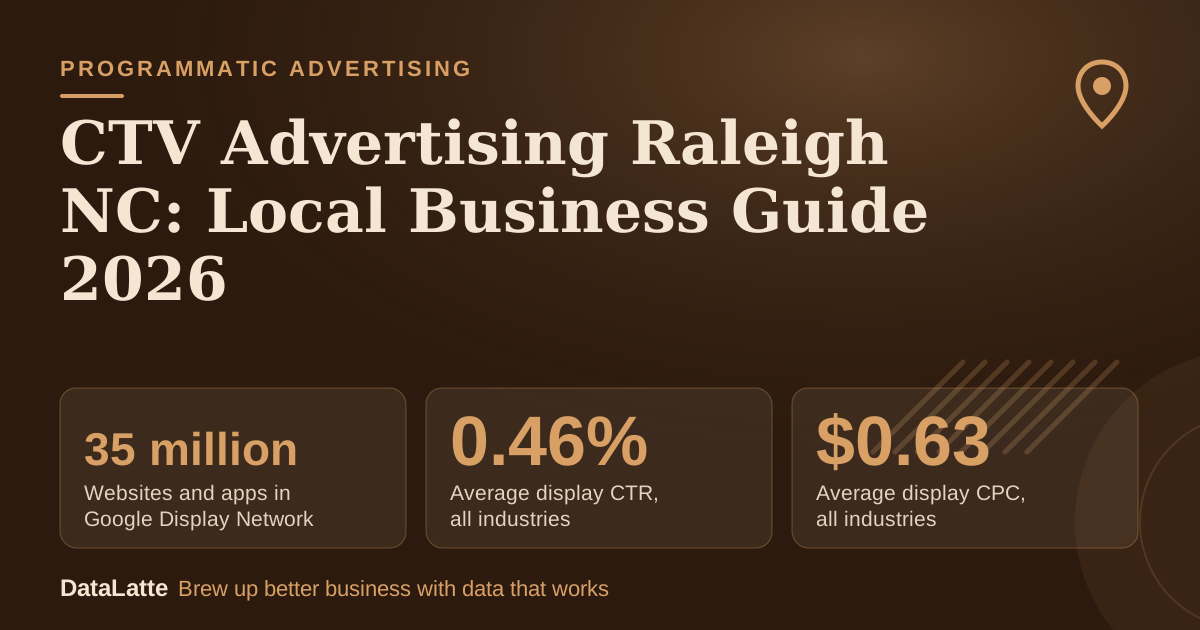
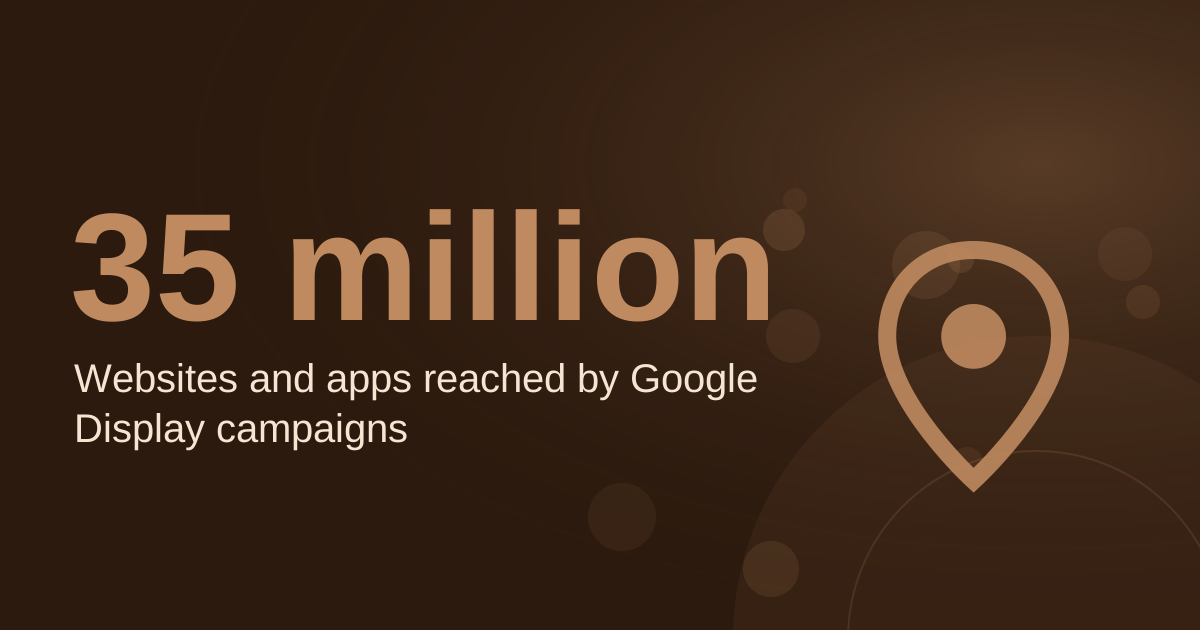
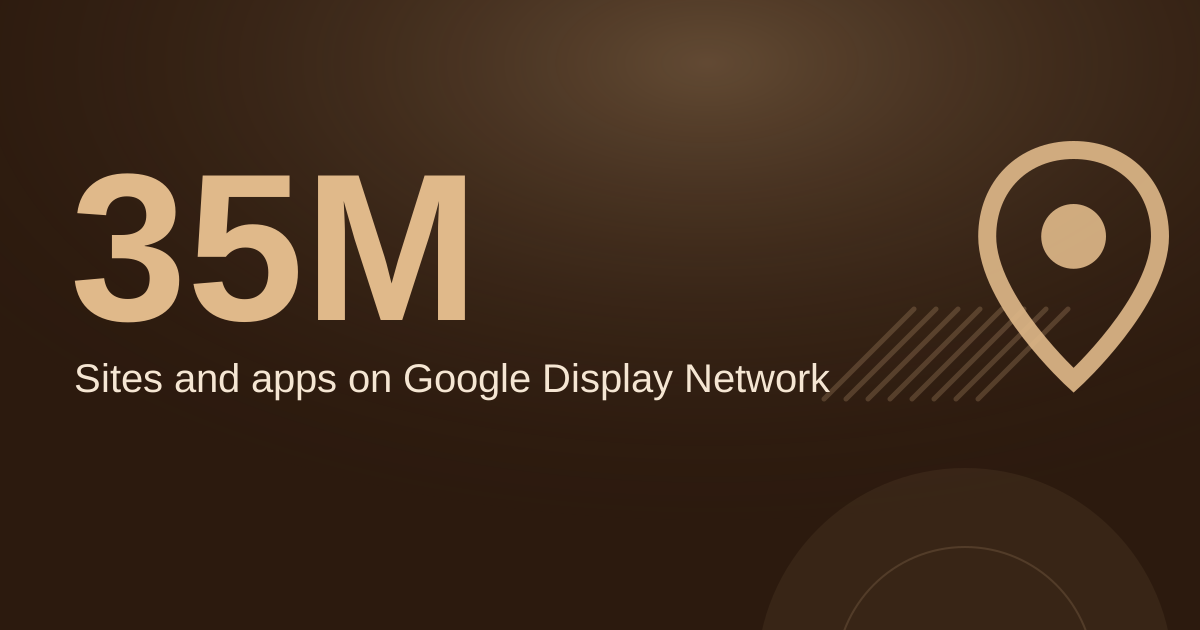
Google's own description of its Display Network gives the scale of the wider display environment. According to Google's Display campaign documentation, Display campaigns can reach people across 35 million websites and apps, and on Google-owned properties such as YouTube and Gmail. That figure describes Google's network, not CTV inventory, so it is context for how broad online display reach is, not a CTV benchmark.
The figures below use WordStream's Google Ads benchmarks, a secondary vendor report built from its clients' data. They cover all industries and are not about local CTV.
35 million→
Websites and apps in Google Display Network
Google Support, primary
0.46%→
Average display CTR, all industries
WordStream benchmarks, secondary
$0.63→
Average display CPC, all industries
WordStream benchmarks, secondary
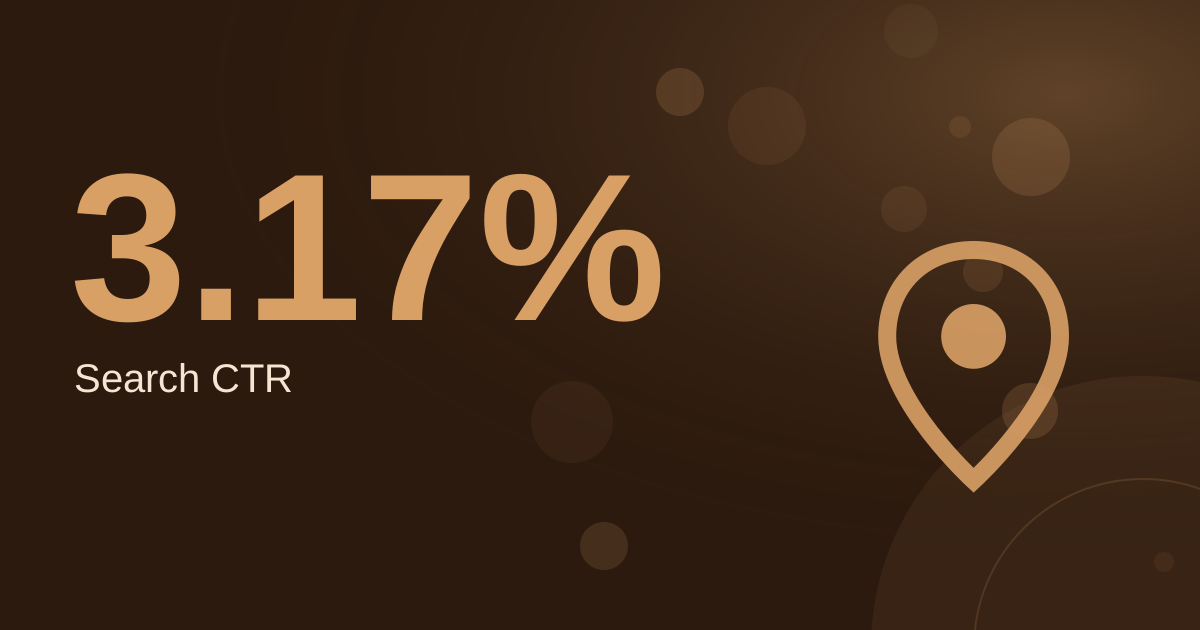
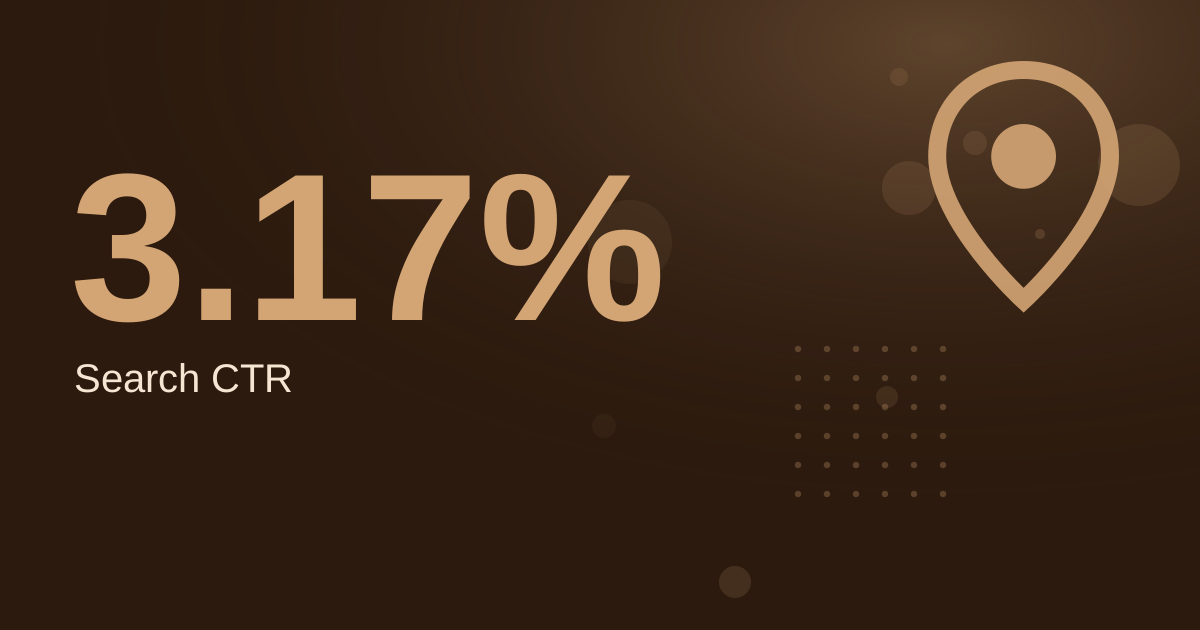
3.17%→
Average search CTR, all industries
WordStream benchmarks, secondary
See Sources at the end of the article. Cards marked Assumption are examples, not results.
The WordStream figures are averages across industries, and the report is updated periodically, so the dates behind any figure should be checked. They say nothing about local CTV response rates. The practical takeaway is that search ads usually have higher click-through than display, so CTV results should be judged on brand signals, not clicks.
For the search side of the picture, the Bing Ads guide for local businesses explains how to capture the branded searches that CTV can prompt.
How Do You Measure CTV Results in Raleigh?
Measure CTV against signals that should move if people are noticing the ad. Set a baseline before launch, then compare the four weeks of the test with the weeks before and after.
Google Business Profile searches for the exact business name
Branded keyword clicks in Google Ads, if search campaigns run
Website direct traffic during the flight, compared with the baseline
A consistent "how did you hear about us?" question at the point of sale
Keep a simple log with dates, ZIP codes, frequency cap and budget spent, so changes can be explained later. Do not claim a result that the baseline cannot support. If branded searches rise during the flight, note that and record what else changed that month.
Give CTV 60 to 90 days before judging it. A short test can show whether delivery works. It rarely shows the full effect on recall.
What Makes a Good Local CTV Ad?
Keep the ad simple. Show the business name or logo early, state the single benefit a customer gets, and close with a clear action such as a phone number, address or website. Check the platform's current format rules before producing the file, because specifications change and each platform sets its own limits.
Audio plays on CTV, so write the voiceover or music with that in mind. A subtitle line can help viewers who watch with the sound down.
FAQ
How much does CTV advertising cost for a small business in Raleigh?
Costs depend on the platform, the audience and the CPM quoted for the chosen ZIP codes. The worked example above uses an assumed $25 CPM. Get a quote from each platform or demand-side platform before setting a budget.
Is CTV better than Google Ads for a local business?
They do different jobs. CTV builds familiarity across households nearby, while Google Ads captures people already searching. Many small businesses use search first for existing demand and test CTV as a brand layer. The Google Ads service page explains how search campaigns are set up.
How many times should a household see the ad?
Set a frequency cap before launch and keep it fixed during the test. The right number depends on budget and reach, so use the worked example to estimate impressions per household and adjust after the first two weeks.
Can I target ads to Amazon shoppers instead of ZIP codes?
Some streaming inventory offers audience data tied to shopping behaviour. The Amazon Ads guide for local businesses covers that channel. For a first test, ZIP-code targeting is the simpler starting point.
Local marketing strategist with 10+ years at global agencies — OMD, Dentsu, GroupM, and BBDO. Now helping small businesses get the same data-driven edge. Based in Europe, working with clients in the US, UK, Australia, and beyond.