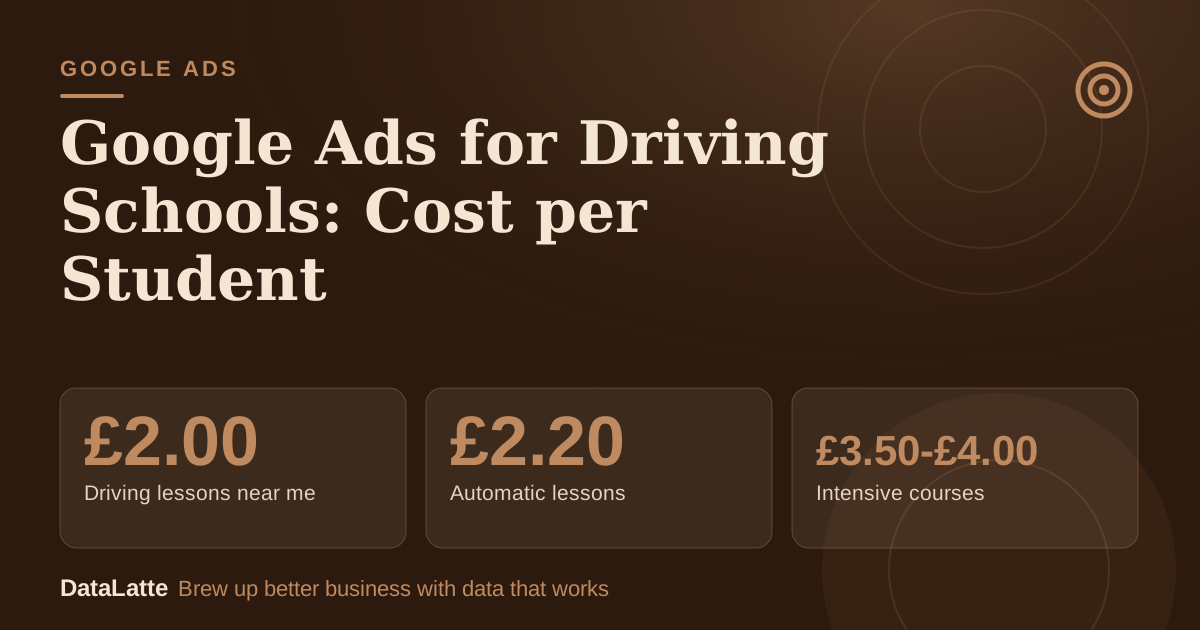
Here is the arithmetic that decides whether driving school ads work. A UK agency analysis, reported by Whito, puts "driving lessons near me" at about £2 a click. If 5 in 100 clicks become an enquiry and 3 in 10 enquiries book, a student costs about £133 in ads (£2 / 0.05 / 0.30).
The 5% and 30% are my assumptions, not benchmarks, and they are the numbers you will control. Change them and a student costs anywhere from roughly a third to four times that.
This guide is for driving school owners and instructors in the US, UK, Australia and Canada. It covers what clicks tend to cost, how to build the campaign for teens, adults and nervous drivers, how to track calls, and how to work out the payback. Figures marked £ come from UK sources; for dollars or other currencies, run the same math with your own click prices.
What Clicks Cost (and How Thin the Data Is)
There is no solid public benchmark for driving school ads in the US, Canada or Australia. The best specific data available is a UK table on
Whito Research's driving school marketing costs page, which says it draws on "published UK agency benchmark analysis, 2025". It does not name the agency, so treat these as second-hand:
→
Driving lessons near me
Typical CPC, UK 2025
→
Automatic lessons
Typical CPC
↑
Intensive courses
Typical CPC
→
Mock driving test
Typical CPC
See Sources at the end of the article. Cards marked Assumption are examples, not results.
The same page gives £0.70 to £2.50 as the range for most driving school keywords, with the most competitive terms (London, intensive courses) reaching £4.00, and notes that real CPCs vary by town and season.
It measures no cost per lead or conversion rate: its worked example uses £2 a click and a "cautious 5 per cent enquiry rate", which is an assumption. It also lists a lifetime pupil value of £1,000 to £1,800 in lesson revenue for the UK, again a page estimate.
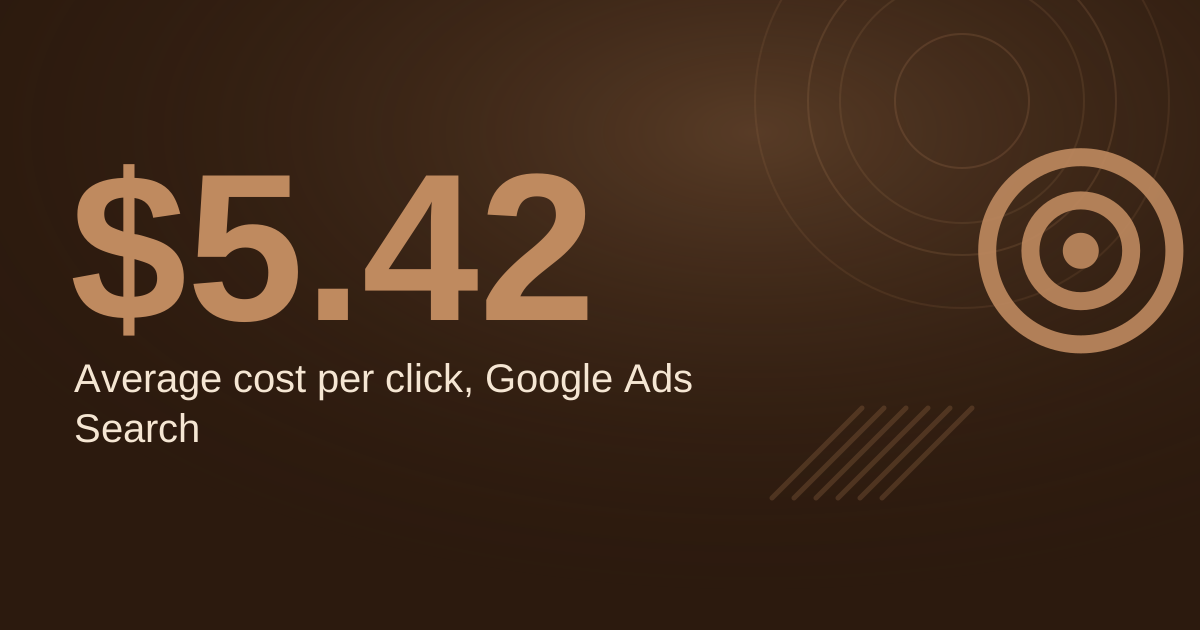
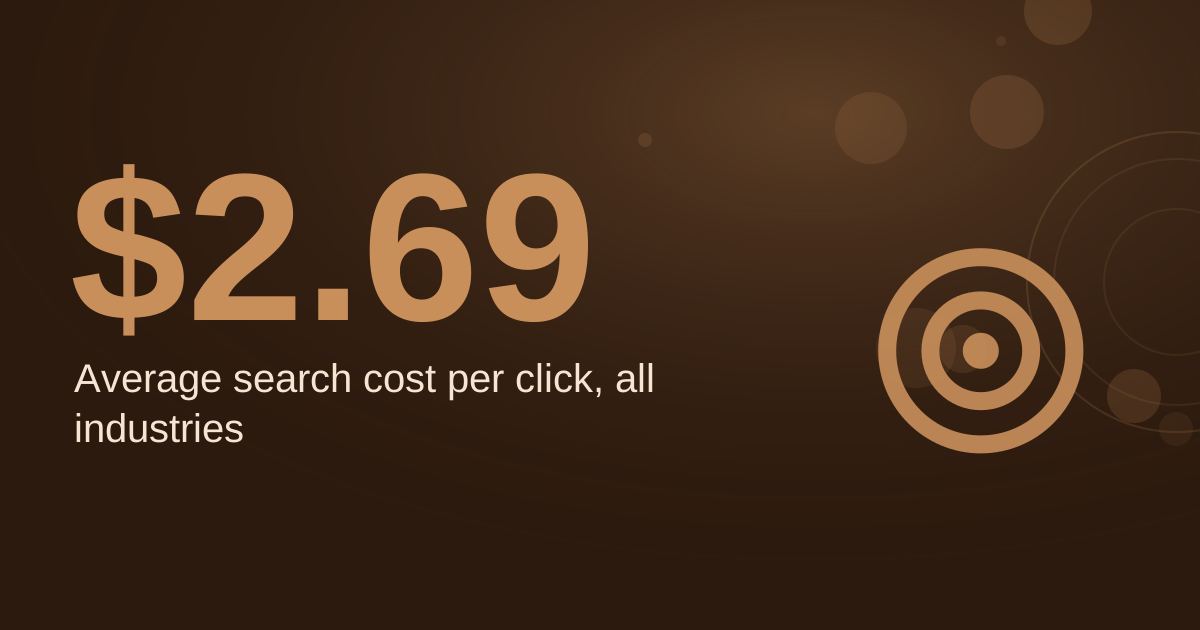
What to take from this: the click is cheap compared with fitness or legal keywords, but there are not many searches, so your results depend on a tight local focus and a fast response, not on out-bidding bigger schools.
Know the Two Audiences
Teens and adults search differently and should not share ad groups.
- Parents of teens look for behind-the-wheel hours, driver's ed, and packages. They compare price and trust, and they often search around school breaks.
- Adults search for "adult driving lessons", "learn to drive at 30", automatic lessons and nervous-driver help, and they search all year.
- Test takers want a mock test, test-day car hire or a refresher.
Check your own enquiry log for the split before you pick budgets for each.
Build the Campaign Step by Step
1. Start with Search, one location
Search ads show when someone types the query, so you pay to reach people already looking. Keep one campaign per teaching area. Add Display or video only after Search is producing booked lessons.
2. Target only where you teach
Google lets you
target a radius around a location or choose cities and areas. Draw it around the pick-up zone you will actually drive to. A click from a town you do not cover is wasted money.
3. Group keywords by what the person wants
Google's
match type guide defines broad, phrase and exact match, and says Smart Bidding is critical with broad match. On a small budget, use phrase and exact so you control the triggers.
| Ad group | Example keywords | Landing page |
|---|
| General | "driving lessons near me", "driving school [town]" | Packages, price, phone |
| Teen | "teen driving lessons", "behind the wheel training" | Parent info, permit-to-license steps |
| Adult | "adult driving lessons", "learn to drive as an adult" | Patient instructors, flexible times |
| Automatic | "automatic driving lessons [town]" | Automatic car, price |
| Nervous / refresher | "nervous driver lessons", "refresher driving lessons" | Reassurance, small steps |
| Test prep | "mock driving test [town]", "driving test car hire" | Test-day offer |
| Your brand | [your school name] | Home or booking page |
4. Add negative keywords on day one
jobs,
instructor training,
become an instructor,
salary,
free,
game,
simulator,
theory test app,
license renewal,
replacement licence,
dmv office,
used cars. Review the search terms report weekly. Our negative keywords guide shows how to apply lists at campaign level, and the
longer wasted-spend list goes further.
5. Write ads that mirror the search
Google's
responsive search ad rules allow up to 15 headlines (30 characters each) and 4 descriptions (90 characters each). Fill them with specifics:
Driving Lessons in [Town]Patient, Qualified InstructorsLessons From [Price]/HourBook Your First Lesson OnlinePick-Up From Home or School
Do not promise a pass. Google's
unreliable claims policy says that if you guarantee specific results you must have a clear, easily accessible money-back refund policy, and that testimonials claiming specific results need a visible disclaimer that results are not guaranteed. "Pass first time guaranteed" is a policy risk, and consumer-protection rules in many places also restrict misleading guarantees, so check yours. "Mock test included in every course" is safe.
6. Add call, location and sitelink assets
Add a call asset, a location asset tied to your Business Profile, and sitelinks (Prices, Teen Lessons, Adult Lessons, Book a Test). A mobile searcher who sees your number and a price will often ring before they scroll.
Landing Page: Price, Phone, One Action
Send each ad group to a page that matches the search. Show the price or "from" price, the phone number at the top, the areas you cover, a short form (name, phone, learner status), real instructor photos and two or three real reviews.
For teens, add what a parent needs to know about permits and hours. Our
landing page best practices cover the layout, and the
website service page explains how we build them.
Track Calls and Enquiries
Most driving school leads arrive by phone. Set up three conversion actions: the form or booking confirmation, calls from the ad, and calls from the landing page.
Google's
call measurement help says calls can be counted by AI analysis of recordings or by counting calls longer than a minimum duration you set, and that you need a call asset or location asset with a verified phone number and call reporting enabled.
Its
website call conversions page explains that a phone snippet swaps your number for a Google forwarding number, tracks only one number per page by default, and is not recommended with Google Tag Manager if you use dynamic number insertion or third-party call tracking. See our conversion tracking setup and call tracking guide.
Then log every enquiry: how they found you, whether they booked, how many lessons they bought. Google counts calls; you know which ones became students.
Budget, Bidding and Seasons
Use
Keyword Planner to get local bid estimates and forecasts. Google notes those are estimates affected by bids, budget, ad quality and location targeting. For the first four to six weeks, a manual or maximize-clicks approach lets you gather data. Move to conversion-based bidding only after you have a steady stream of tracked enquiries. Our small business Google Ads budget guide and first campaign walkthrough cover the basics.
Seasonality is real but local. Whito's page says only that CPCs vary by town and season and advises switching ads on when your diary opens and off when it fills. Take that capacity-first approach: when your instructors are booked solid for six weeks, lower the budget rather than building a waiting list that goes cold.
The Math
Assume an $800 monthly budget. Swap in pounds or your own currency if you prefer; the logic is the same. Every row marked "assumption" is my estimate for illustration. The only sourced figure is the roughly £2 CPC for "driving lessons near me" from Whito.
| Tough | Base | Strong |
|---|
| Monthly budget (assumption) | $800 | $800 | $800 |
| Cost per click (assumption) | $5.00 | $3.00 | $2.00 |
| Clicks | 160 | 267 | 400 |
| Click to enquiry rate (assumption) | 3% | 5% | 8% |
| Enquiries | 4.8 | 13.3 | 32 |
| Cost per enquiry | $167 | $60 | $25 |
| Enquiry to student rate (assumption) | 20% | 30% | 40% |
| New students | 1.0 | 4.0 | 12.8 |
| Ad cost per student | $833 | $200 | $63 |
| Revenue per student (assumption) | $600 | $600 | $600 |
| Ad cost as a share of revenue | 139% | 33% | 10% |
How to read it: it uses revenue, not profit, so real margins are lower once you count the instructor's time, fuel and car costs. The Tough column loses money on the first package, which is why tracking matters. If a student typically books follow-up lessons or a test package, the real figure is better than the first-sale revenue shown here.
Two things follow:
- Your break-even click price. Maximum CPC = the most you will pay for a student x enquiry rate x student rate. If you will pay $150 (25% of $600), at 5% and 30% your ceiling is $150 x 0.05 x 0.30 = $2.25 a click. Above that, you lose money on average.
- Your close rate is the biggest lever. Going from 20% to 40% enquiry-to-student more than halves your cost per student without touching the ad account. Answering the phone within minutes and booking a lesson on the call is a phone-script problem, not a Google problem.
Learners often ring two or three schools in a row. The one that answers and offers a start date wins. Put a missed-call text-back or a clear voicemail callback promise in place before you turn ads on.
Do This Today
- Pull your last 30 students and note their town, age group and how they found you. Draw your ad radius from the map.
- Work out the numbers: revenue per student, the most you will pay for one, and your current close rate. Use the break-even formula above.
- Create one Search campaign with the ad groups above, phrase and exact match, and the negative keyword list.
- Build one landing page per audience (teen, adult, nervous), then set up form, ad-call and landing-page-call conversions before switching on.
- Set a rule that every enquiry gets a call back within 15 minutes, and book 20 minutes weekly for the search terms report.
FAQ
Q: How much does Google Ads cost for a driving school?
A: The only specific source is UK-based: Whito reports typical CPCs from £1.30 to £4.00 depending on the keyword, with most between £0.70 and £2.50. That is second-hand and varies by town. Use Keyword Planner for your own area, then budget from the break-even formula.
Q: Can a small driving school use Google Ads on a small budget?
A: Yes, if the radius is tight and the keyword list is short. At an assumed $3 click, $300 a month buys roughly 100 clicks, which may be only a handful of enquiries. That is enough to learn from but not to fill a diary.
Q: Should I advertise year-round?
A: Adults need lessons all year and teen demand tends to cluster around school breaks. Keep a base budget on and adjust with your diary: raise it when you have free slots, lower it when you are booked.
Q: Are Local Services Ads available for driving schools?
A: Unconfirmed. Google's 2023 expansion added an education category but its announcement does not name driving schools. Check the category list in your country's sign-up flow before relying on it.
Q: Can I say "pass guaranteed" in my ads?
A: Avoid it. Google's policy requires a clear refund policy for guarantees and disclaimers on testimonials that claim specific results. Safer claims are things you control, like mock tests included or pick-up from home.
Sources
Want a driving school campaign built with proper call tracking? See our
Google Ads service or
contact DataLatte for a straightforward review. For another worked example of the same funnel math, see our Google Ads for gyms guide.